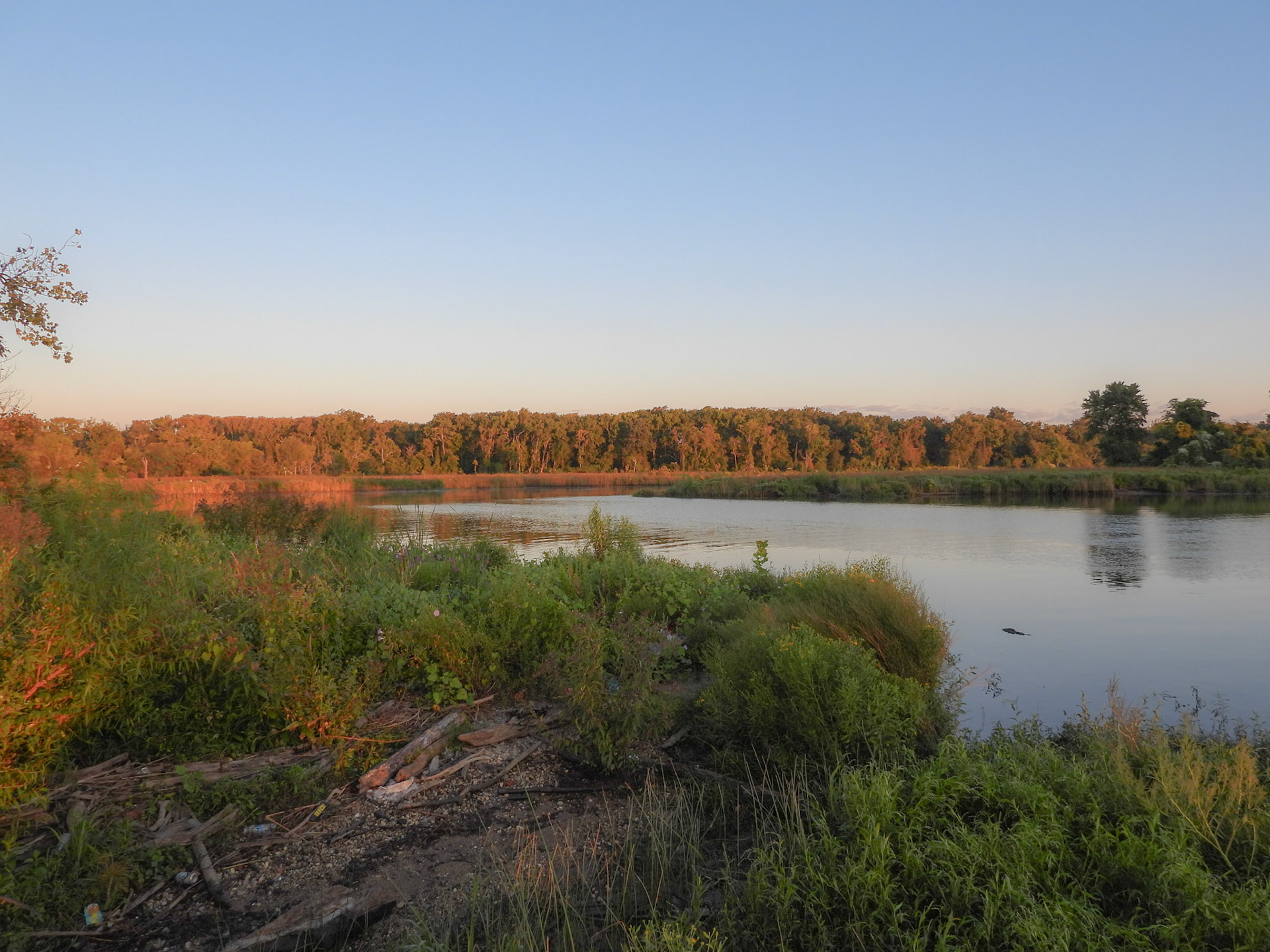
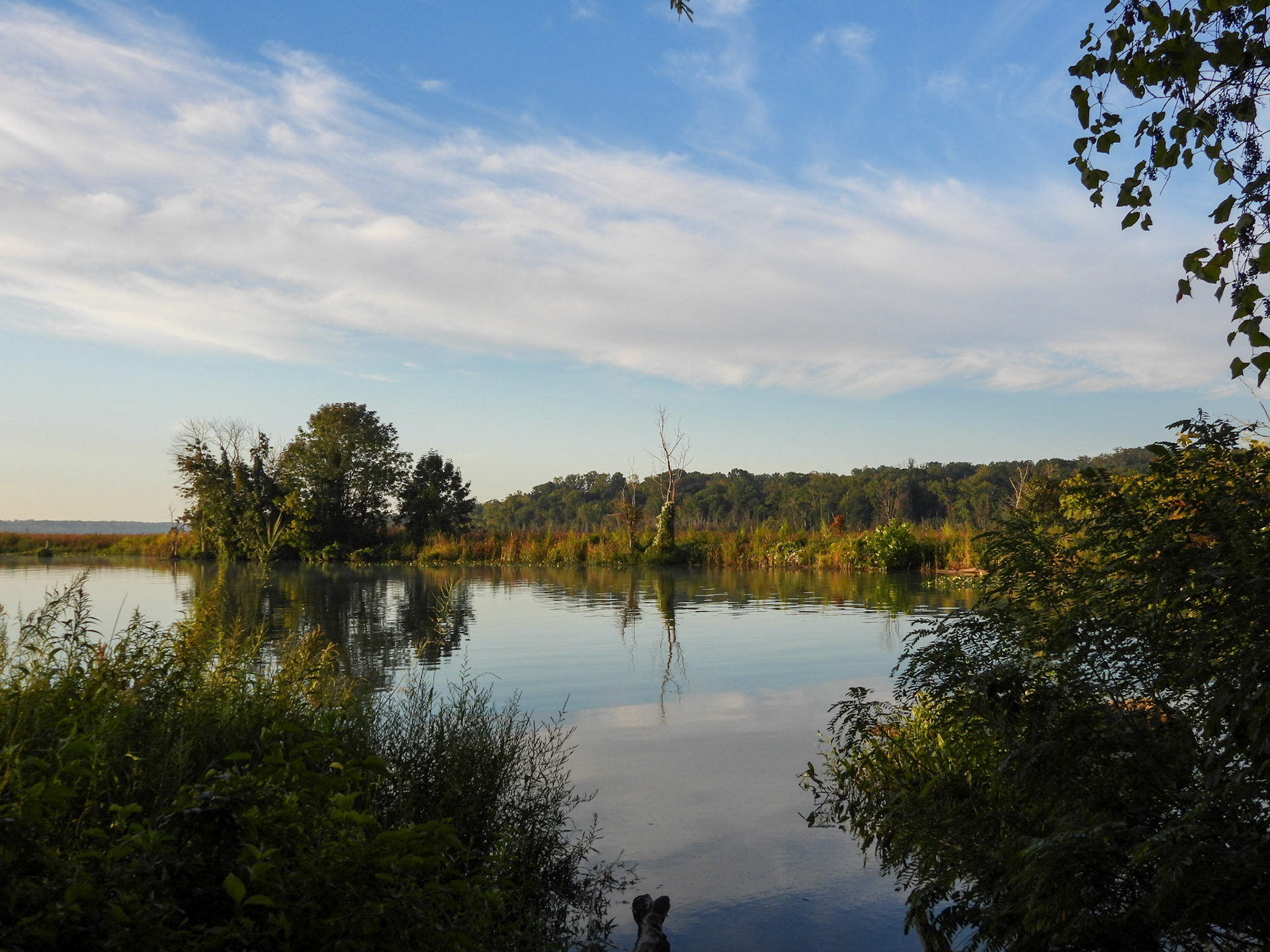
Daybreak
Daybreak
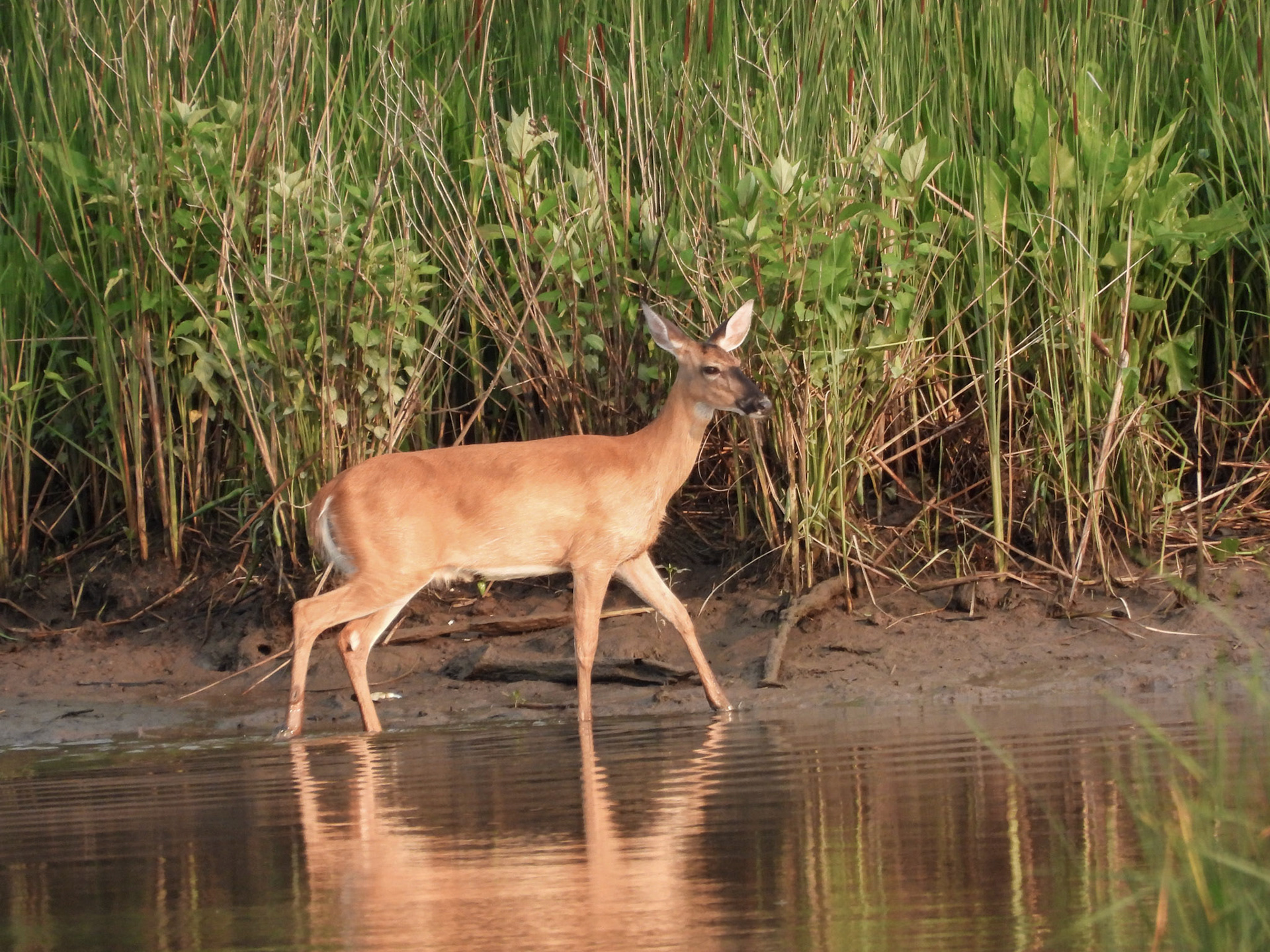
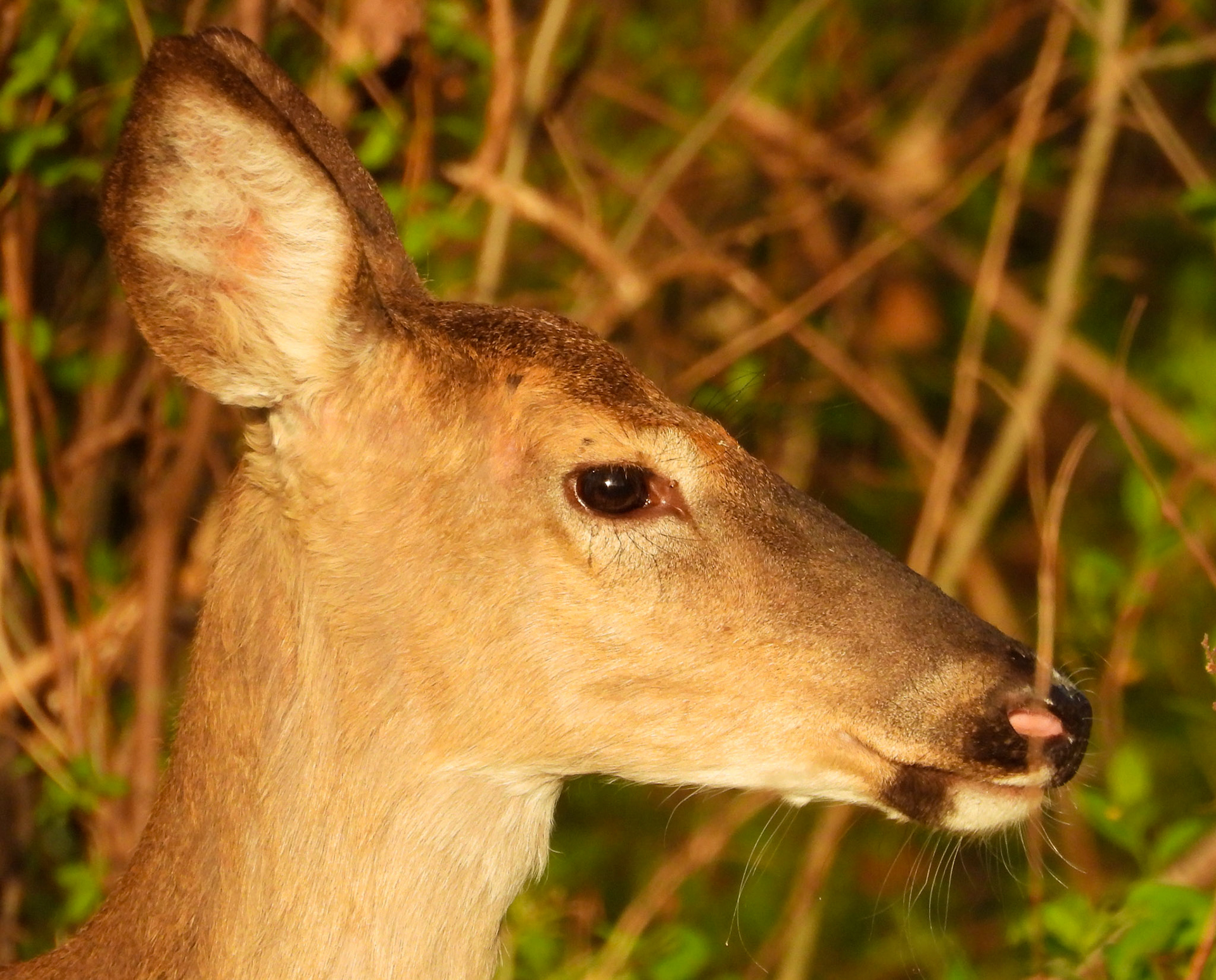
White-Tailed Deer use the marsh for forage and protection from predators.
White Tailed Deer
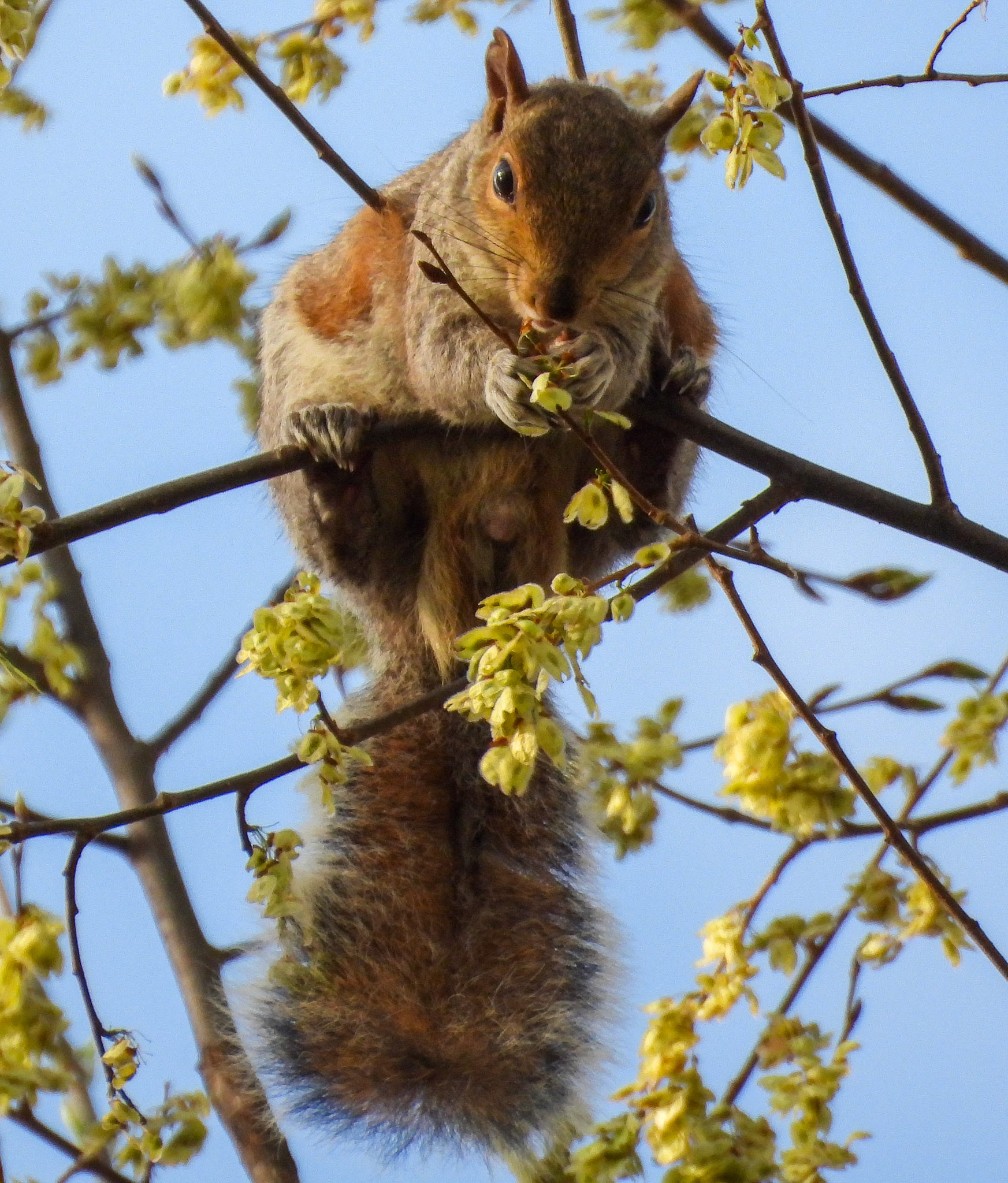
Eastern Gray Squirrels eat buds and flowers in the spring when their supply of buried nuts runs out. This one is in the midst of its spring molt, transitioning from a silvery gray heavier coat to a lighter brownish coat.
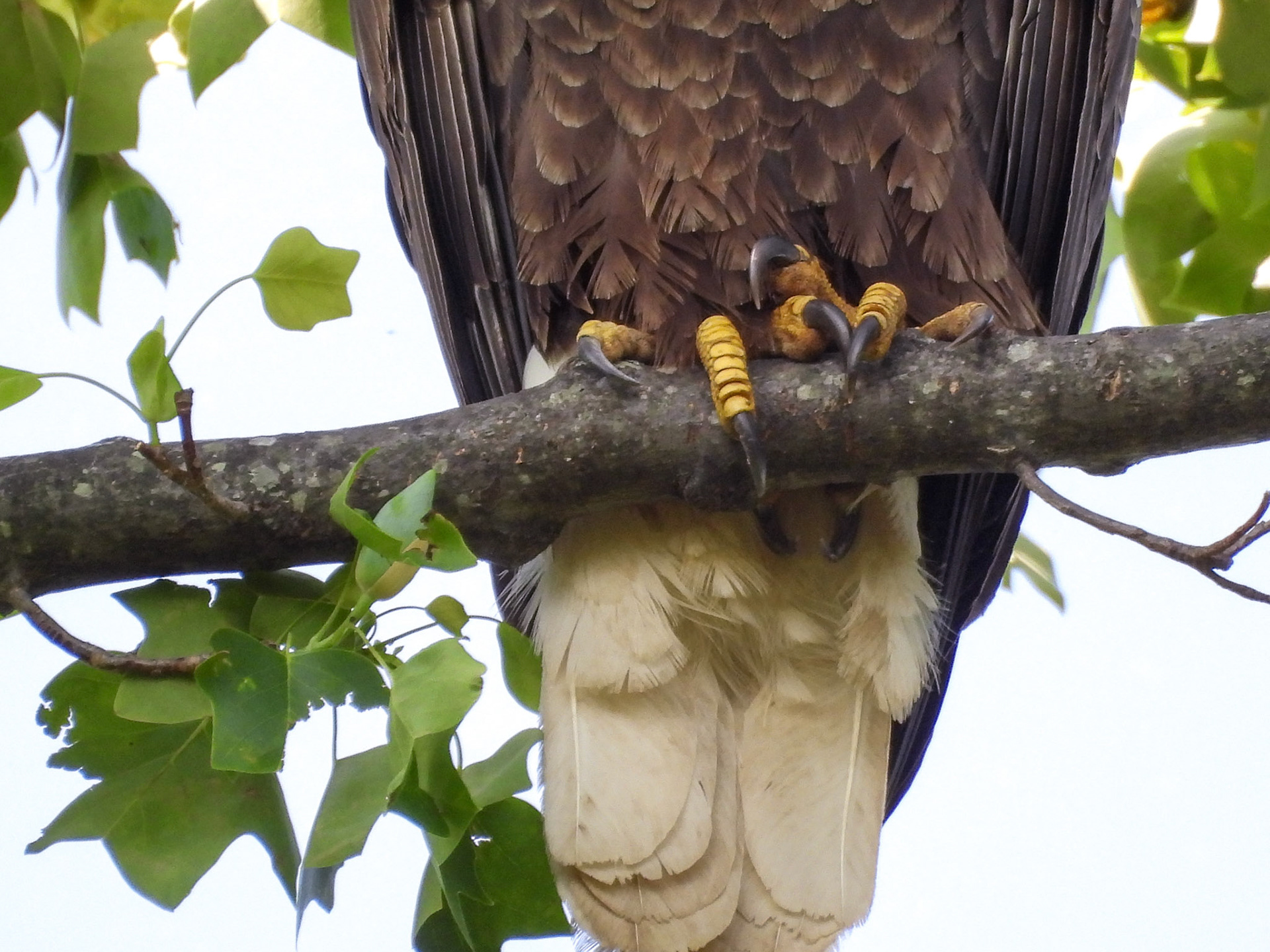
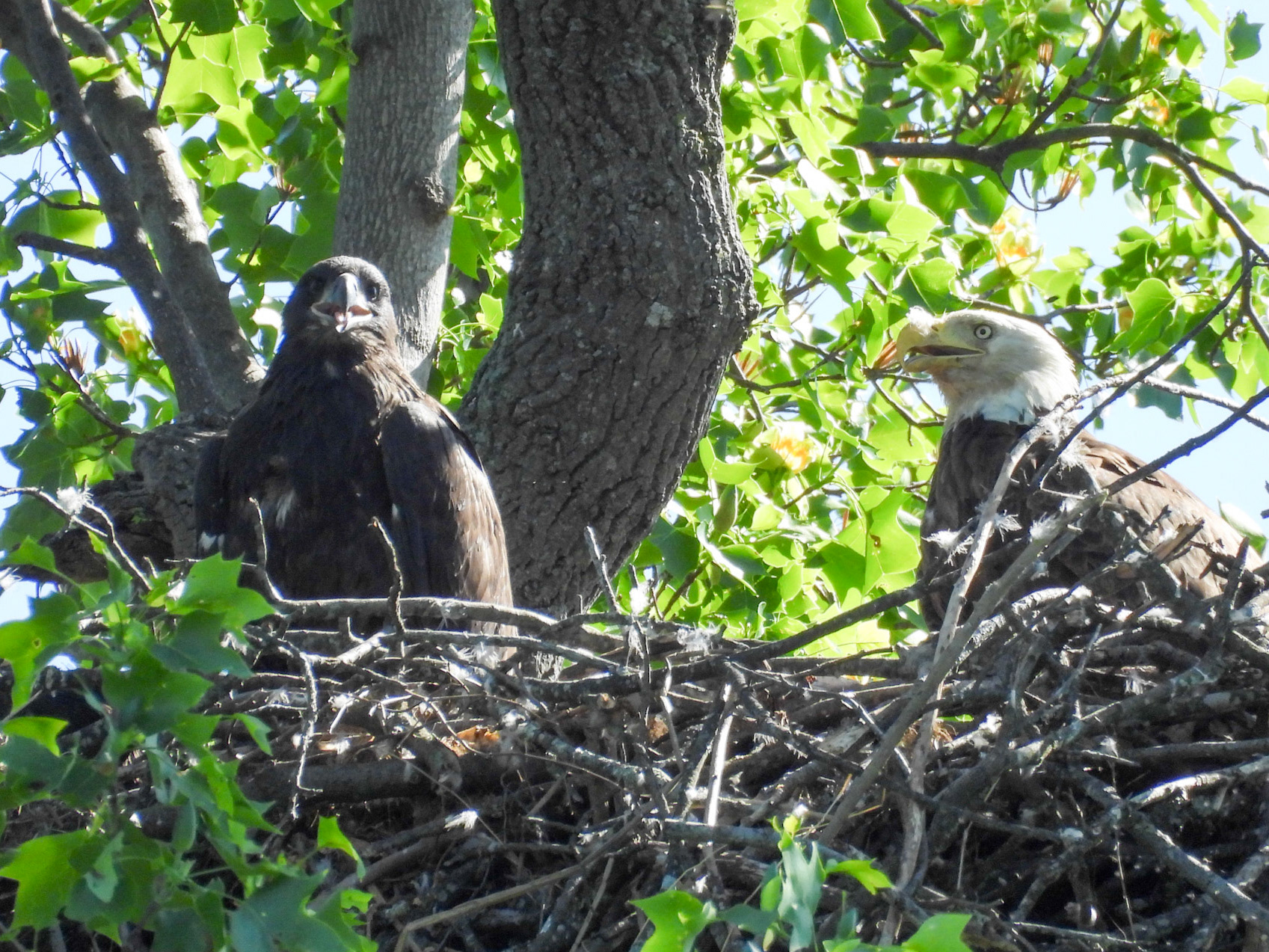
Bald Eagles have 8 talons, which can be up to 2 inches in length.
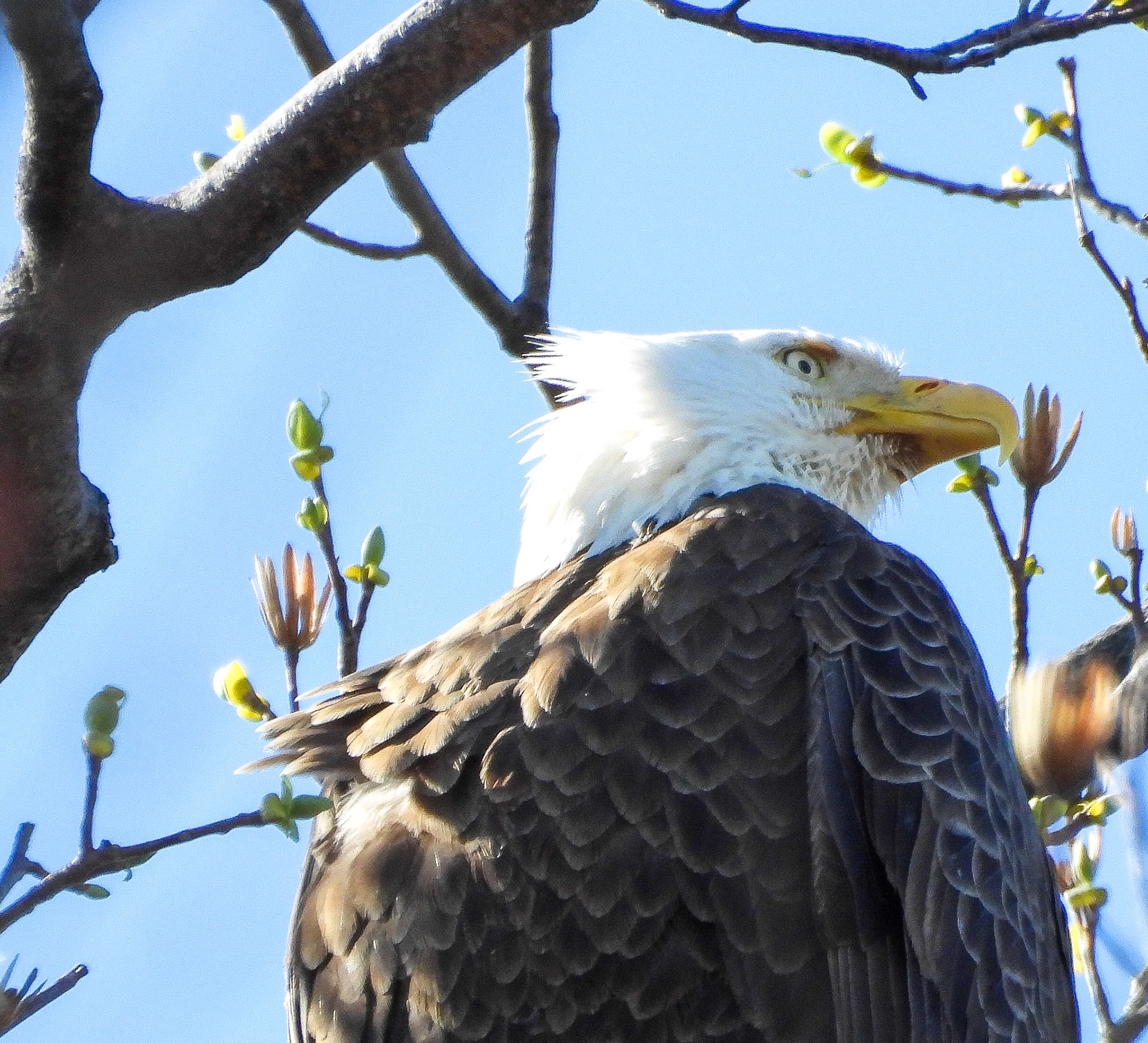
Bald Eagle
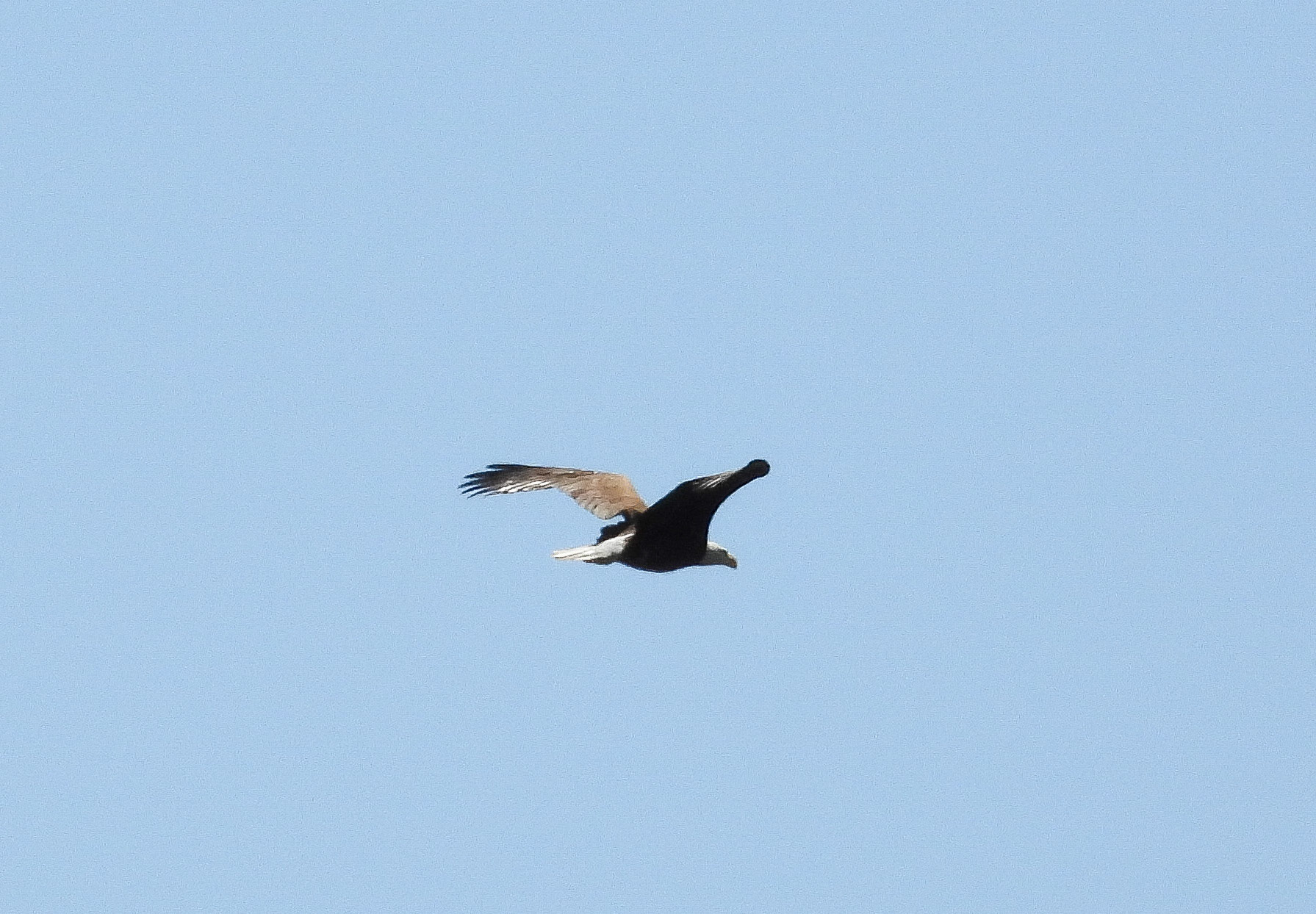
Bald Eagle in flight
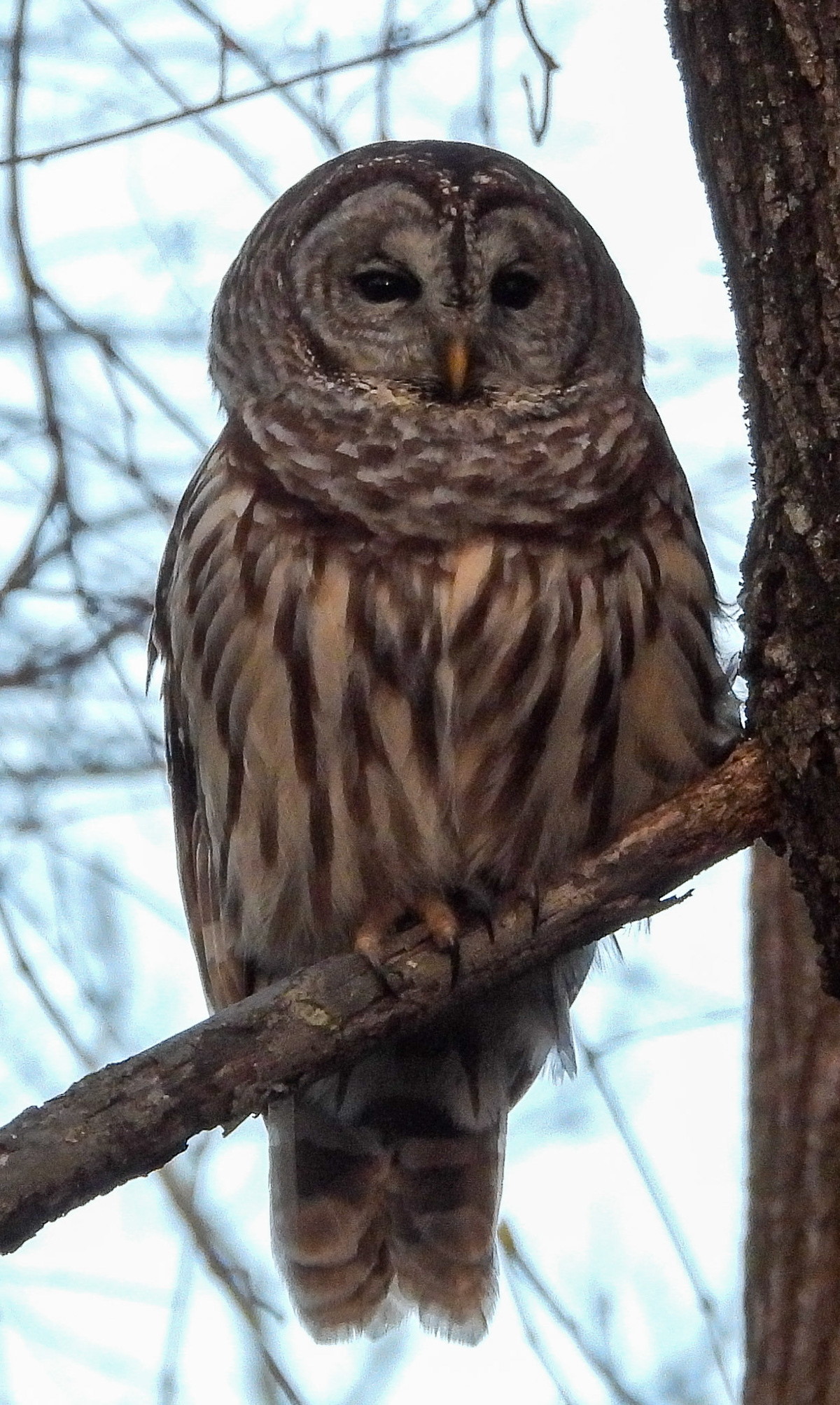
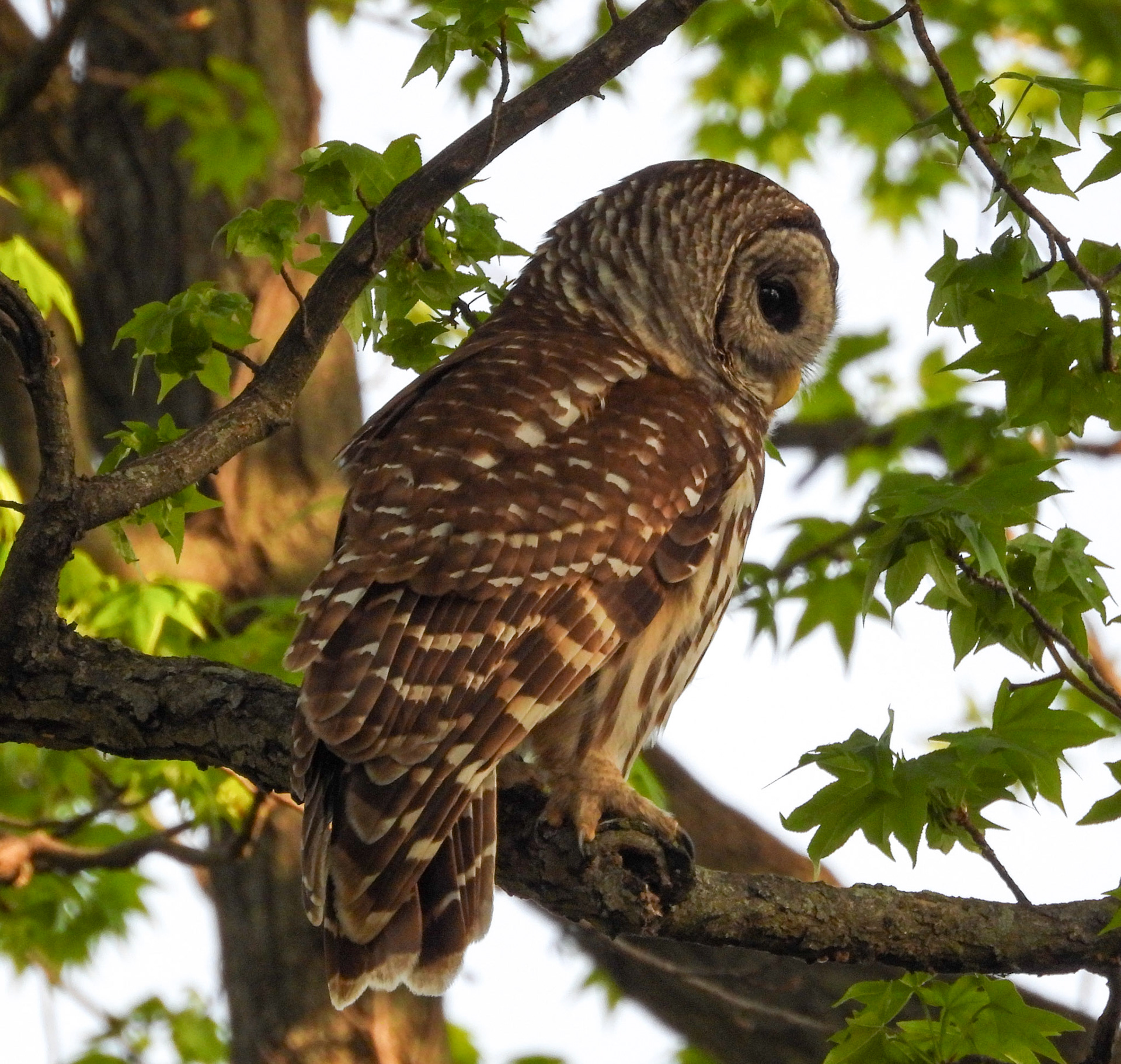
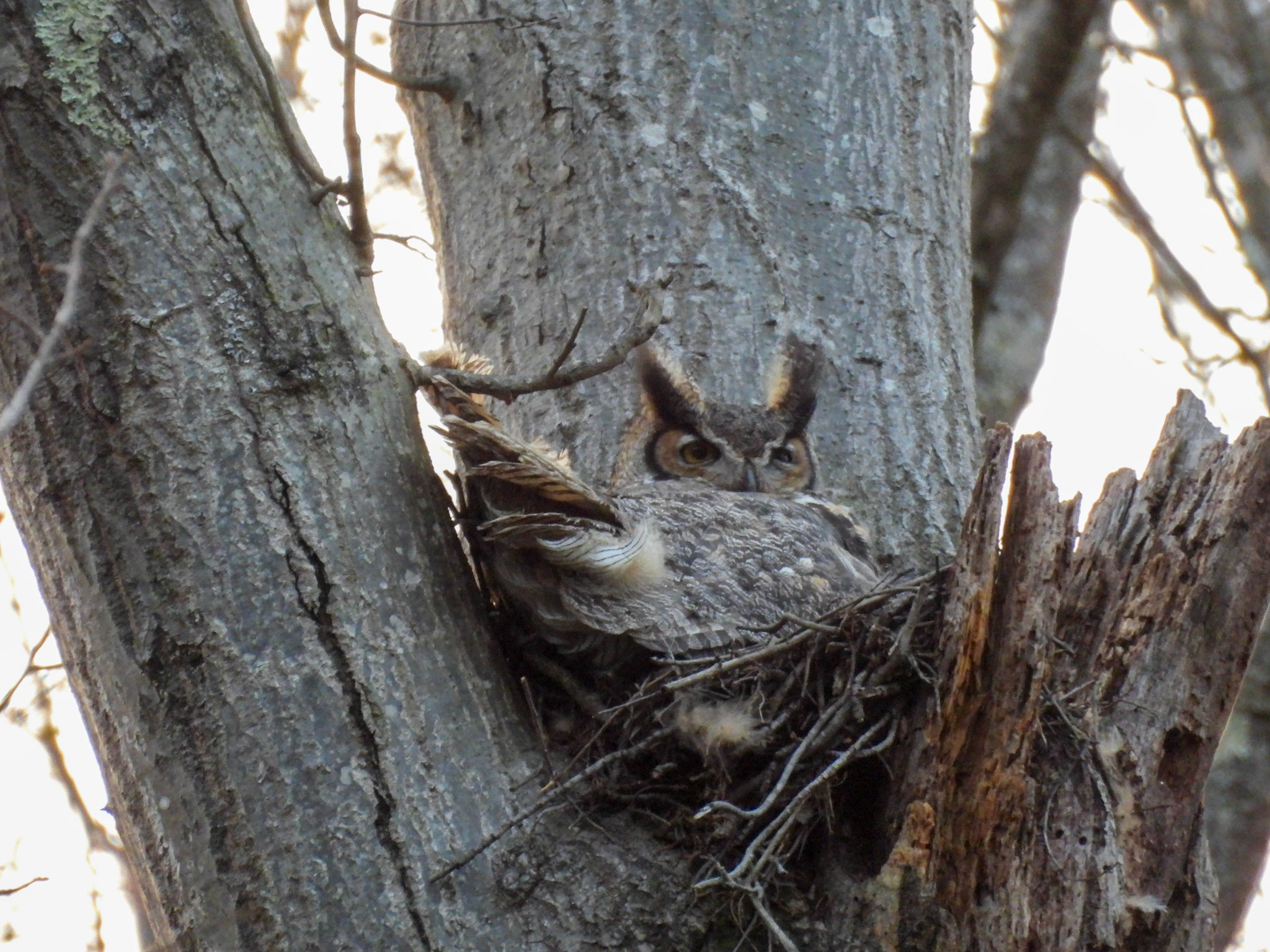
"Who cooks for you?" The Barred Owl's hooting call can be heard in forest and swamp areas throughout the eastern US.
Barred Owls are more active and vocal during their mating season from late winter into the summer.
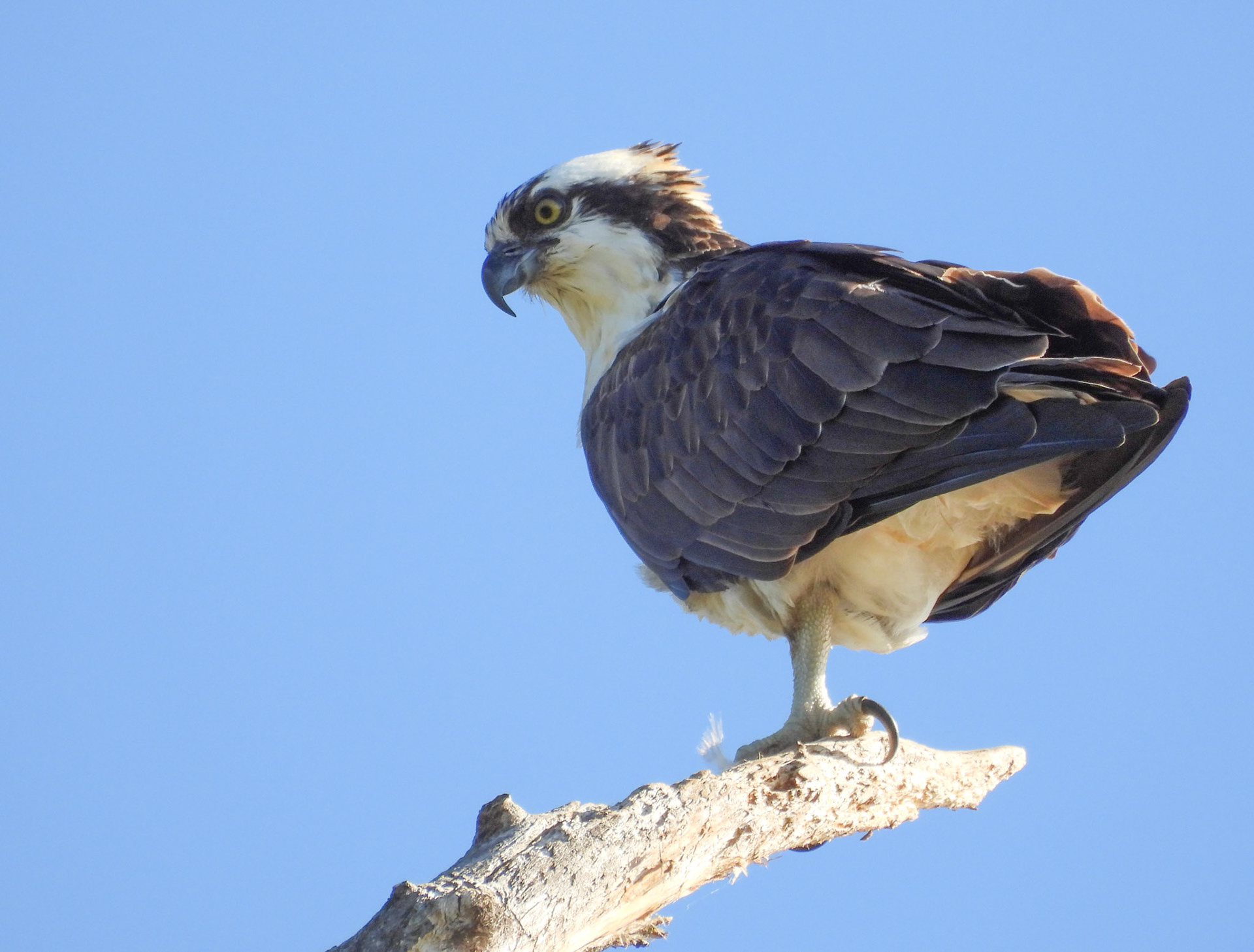
Osprey
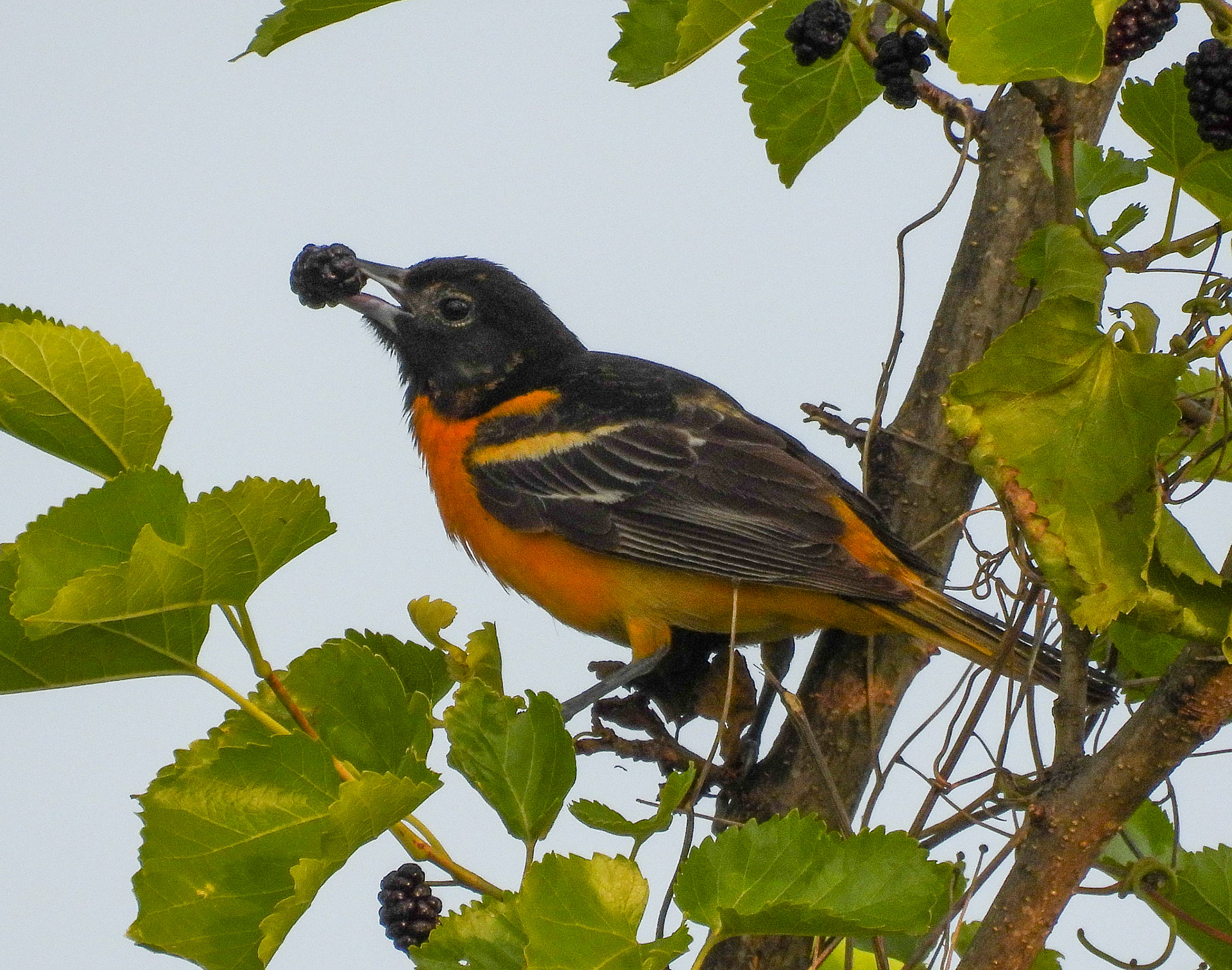
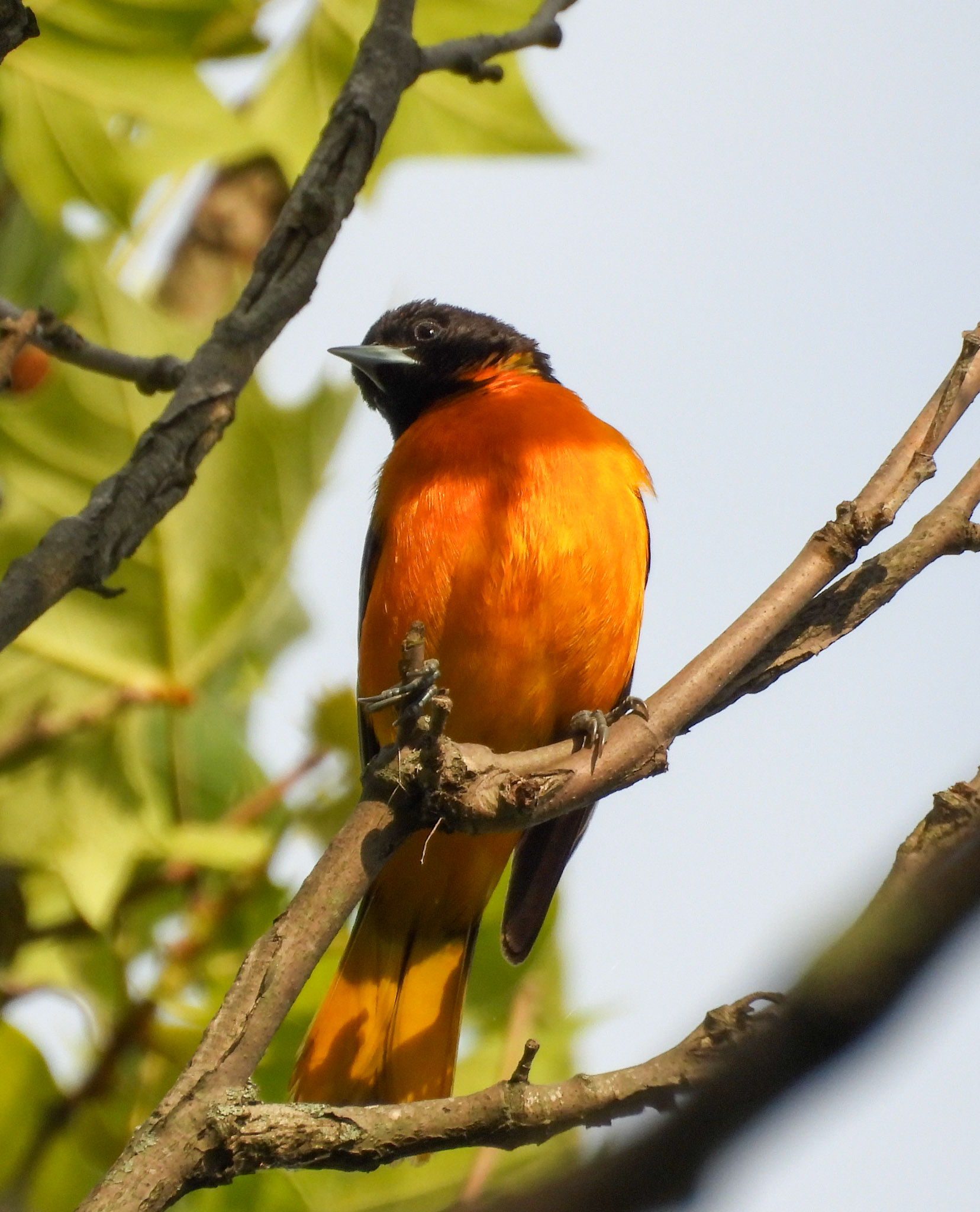
A Baltimore Oriole enjoys a ripe mulberry.
Baltimore Oriole
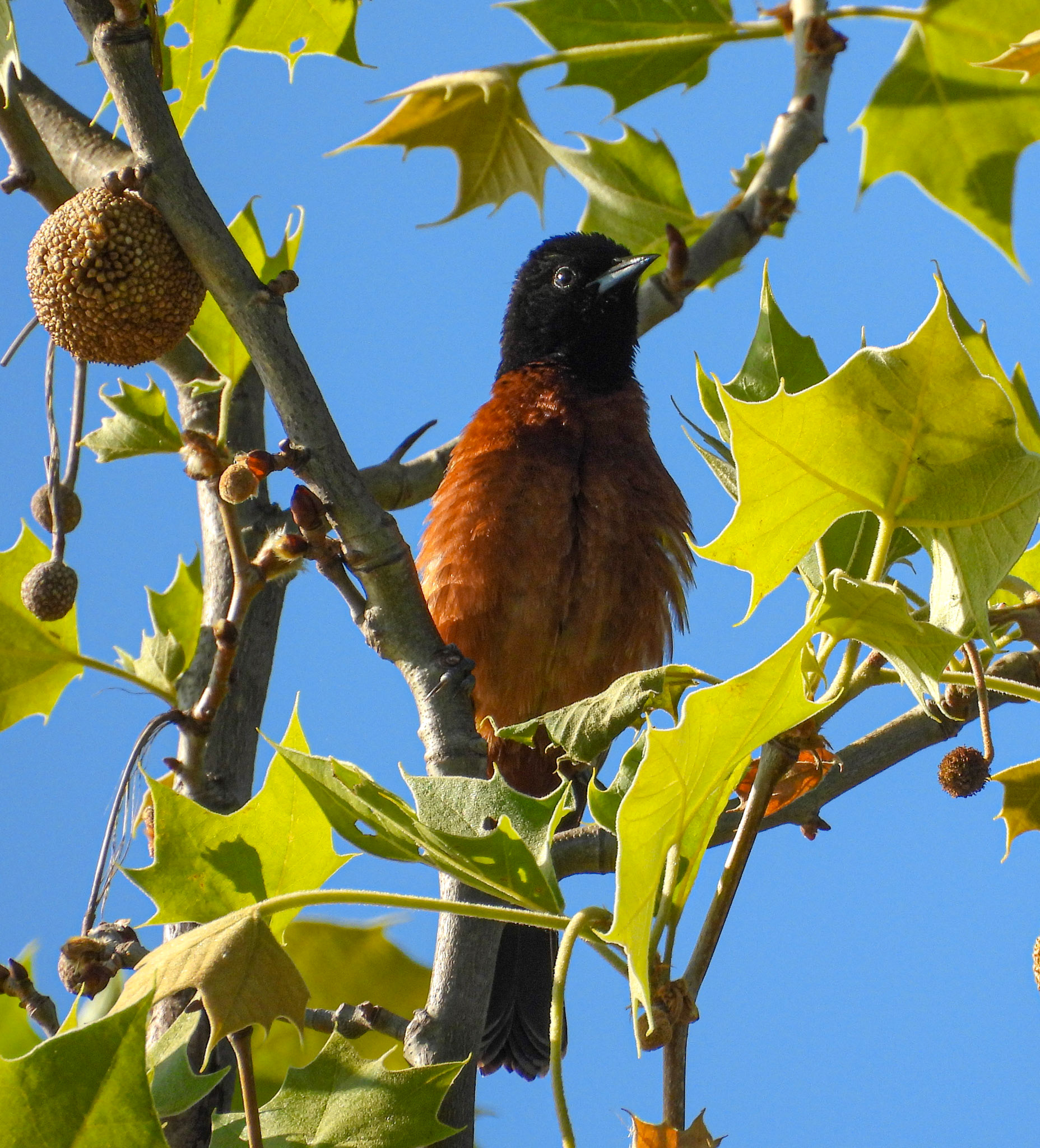
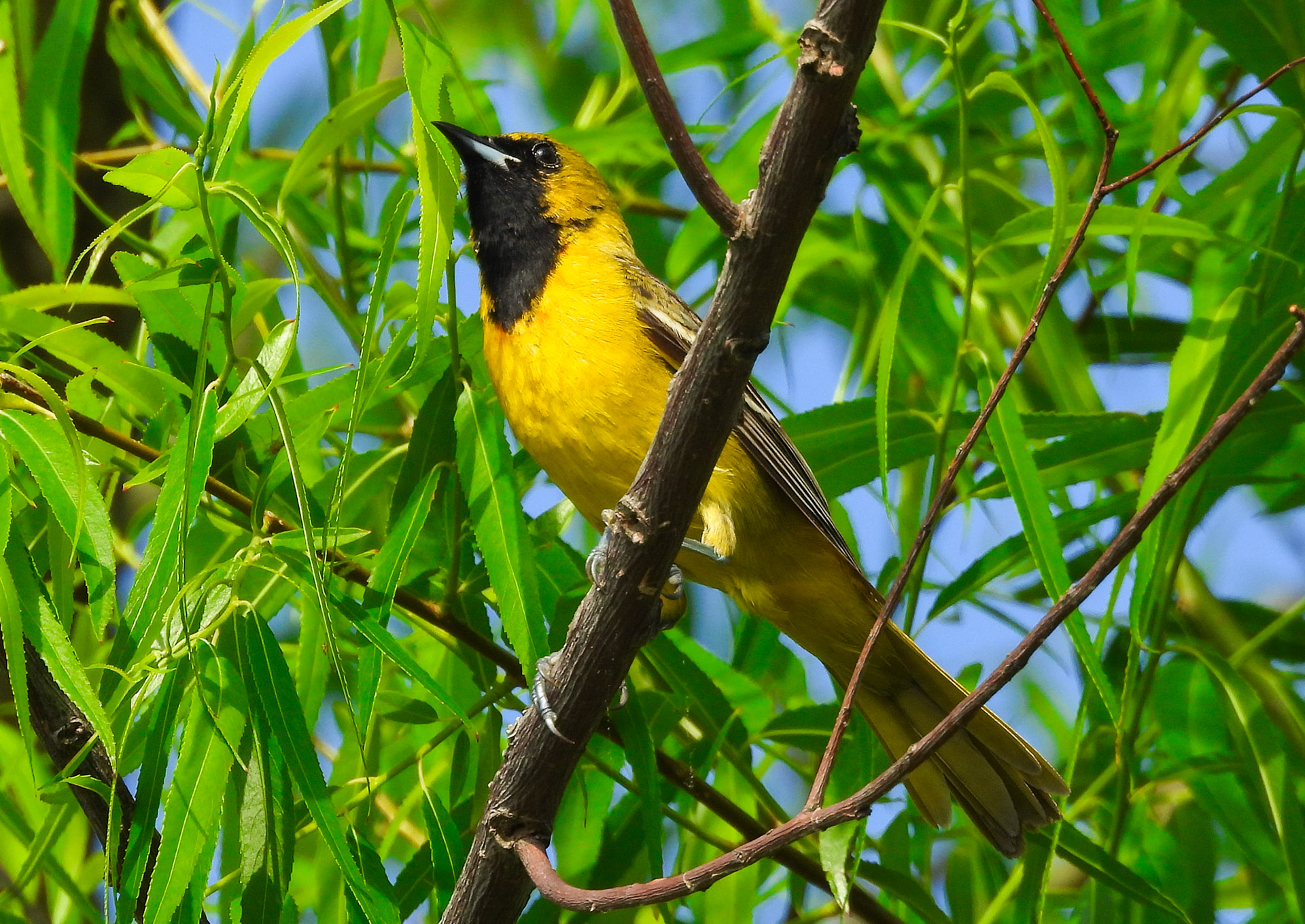
Orchard Orioles are a darker orange and smaller that Baltimore Orioles.
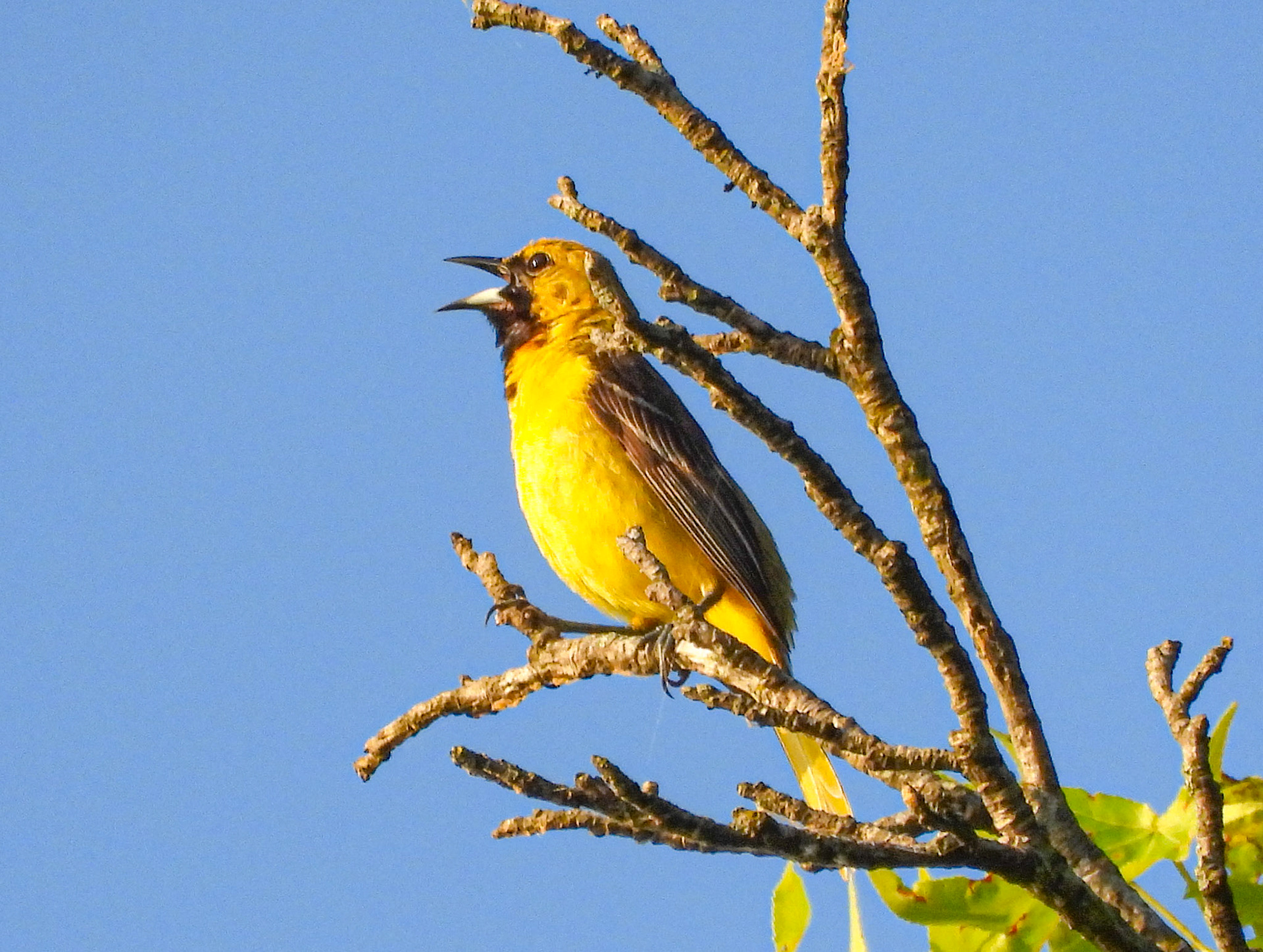
Orchard Oriole (Immature Male). It will turn a dark orange by maturity.
Orchard Oriole (Immature Male)
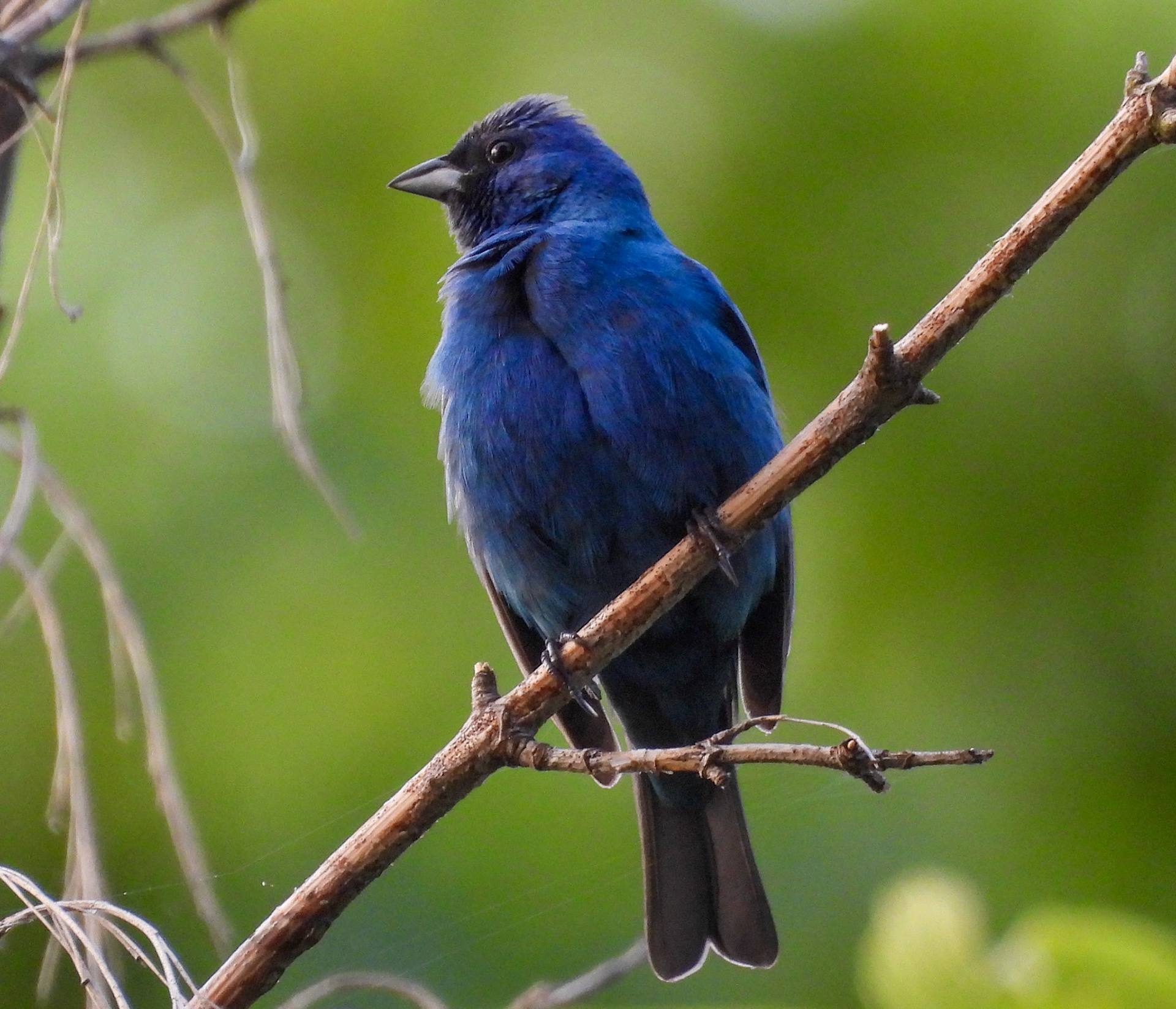
Indigo Buntings lack blue pigments in their feathers, but the feathers refract and reflect blue light. In dim light they appear black or dark brown.
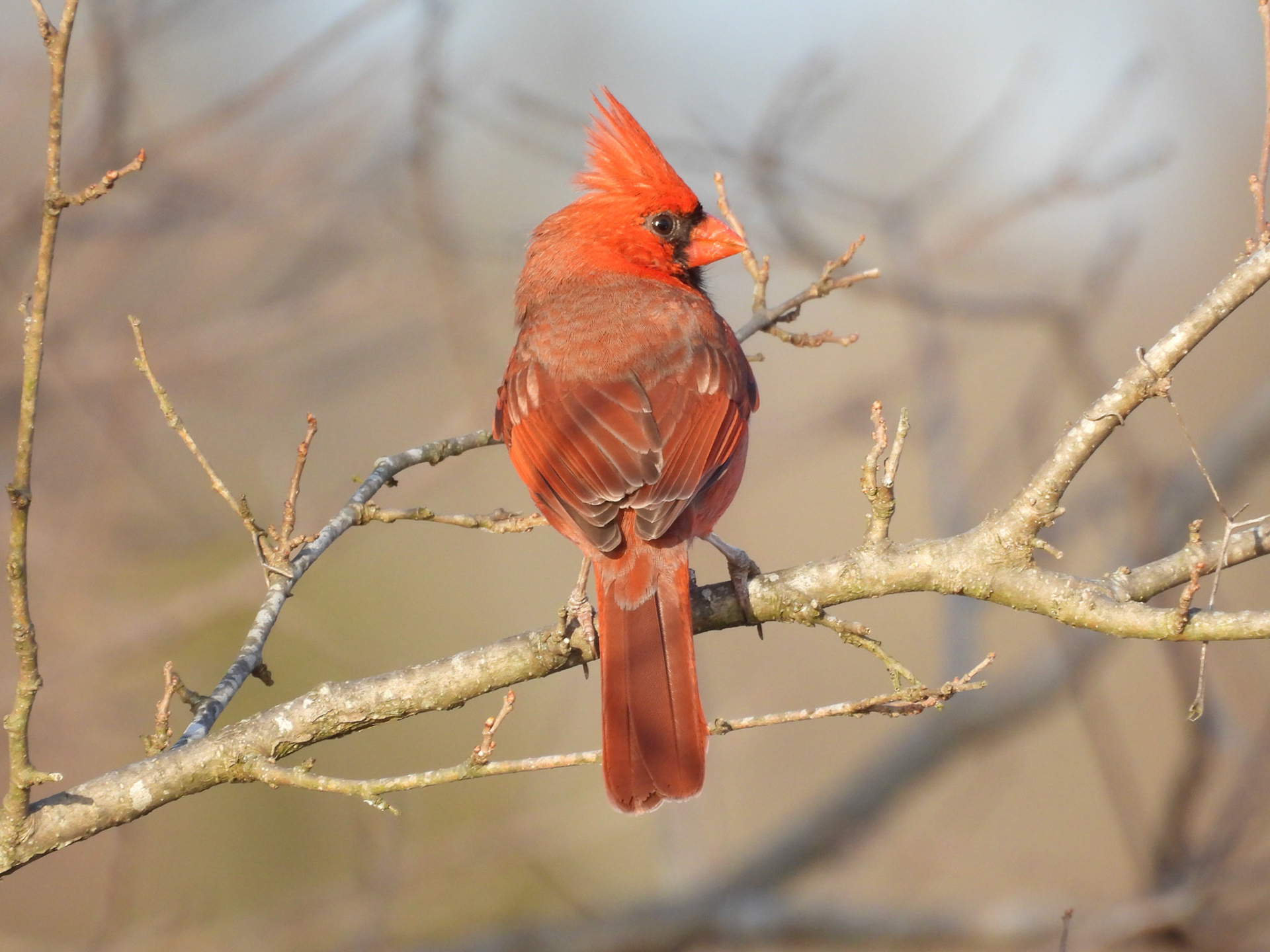
Cardinal
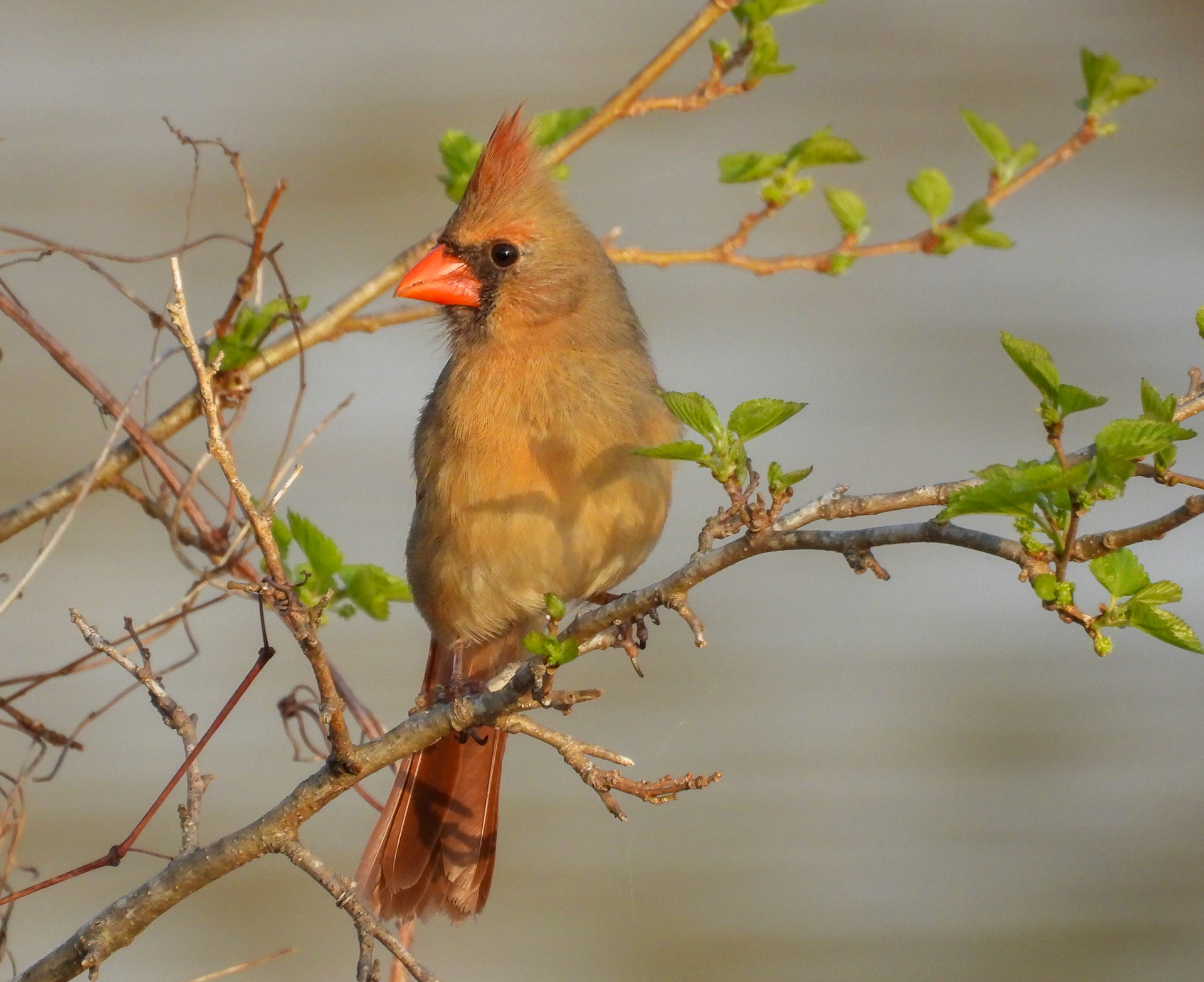
Female Cardinal
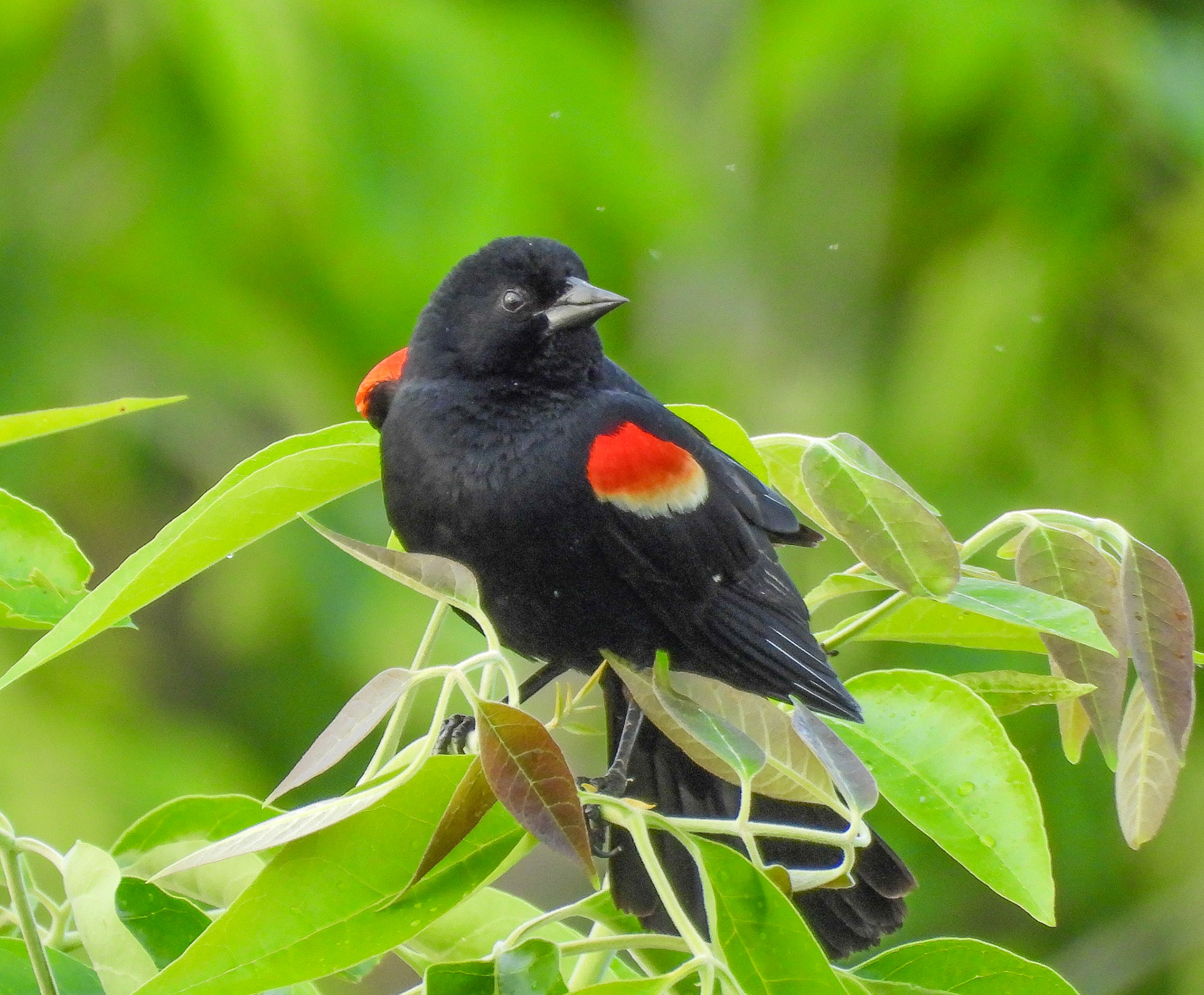
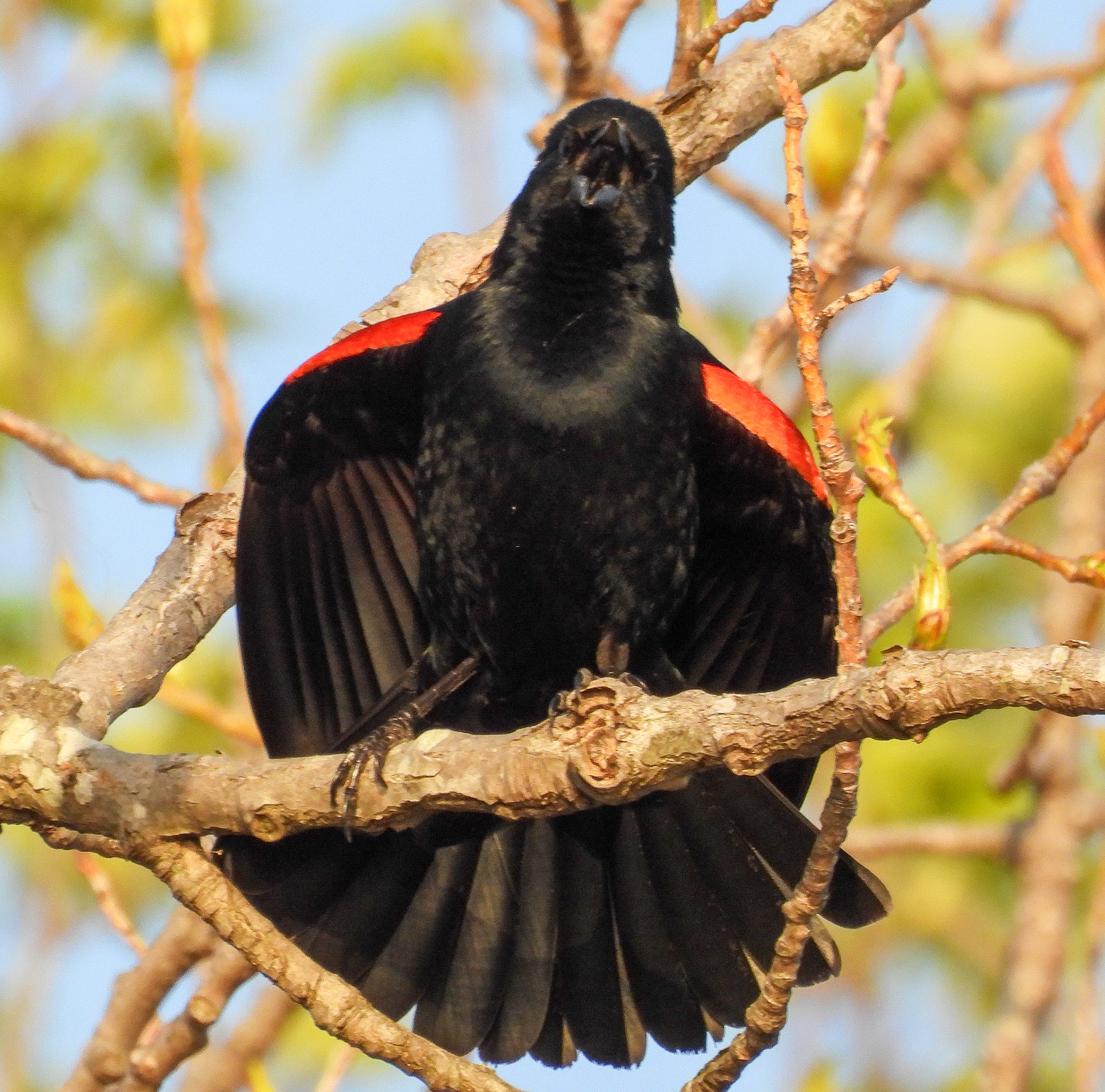
Striking in appearance, bold, with little fear of larger birds or humans, Red-Winged Blackbirds make excellent photographic subjects.
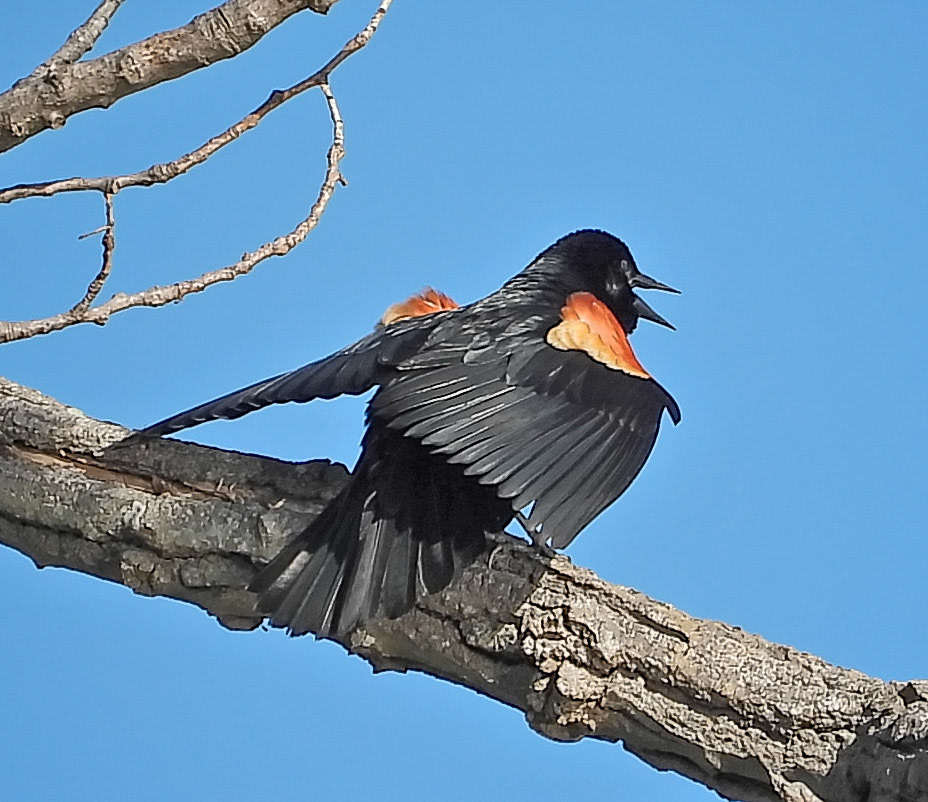
A Red-Winged Blackbird performs a call-spread display while performing its signature call. This involves leaning forward, drooping its wings, fanning out its tail feathers, and fluffing up its bright red shoulder patches (epaulets) to declare territory and attract mates.
A Red-Winged Blackbird performing the call-spread display.
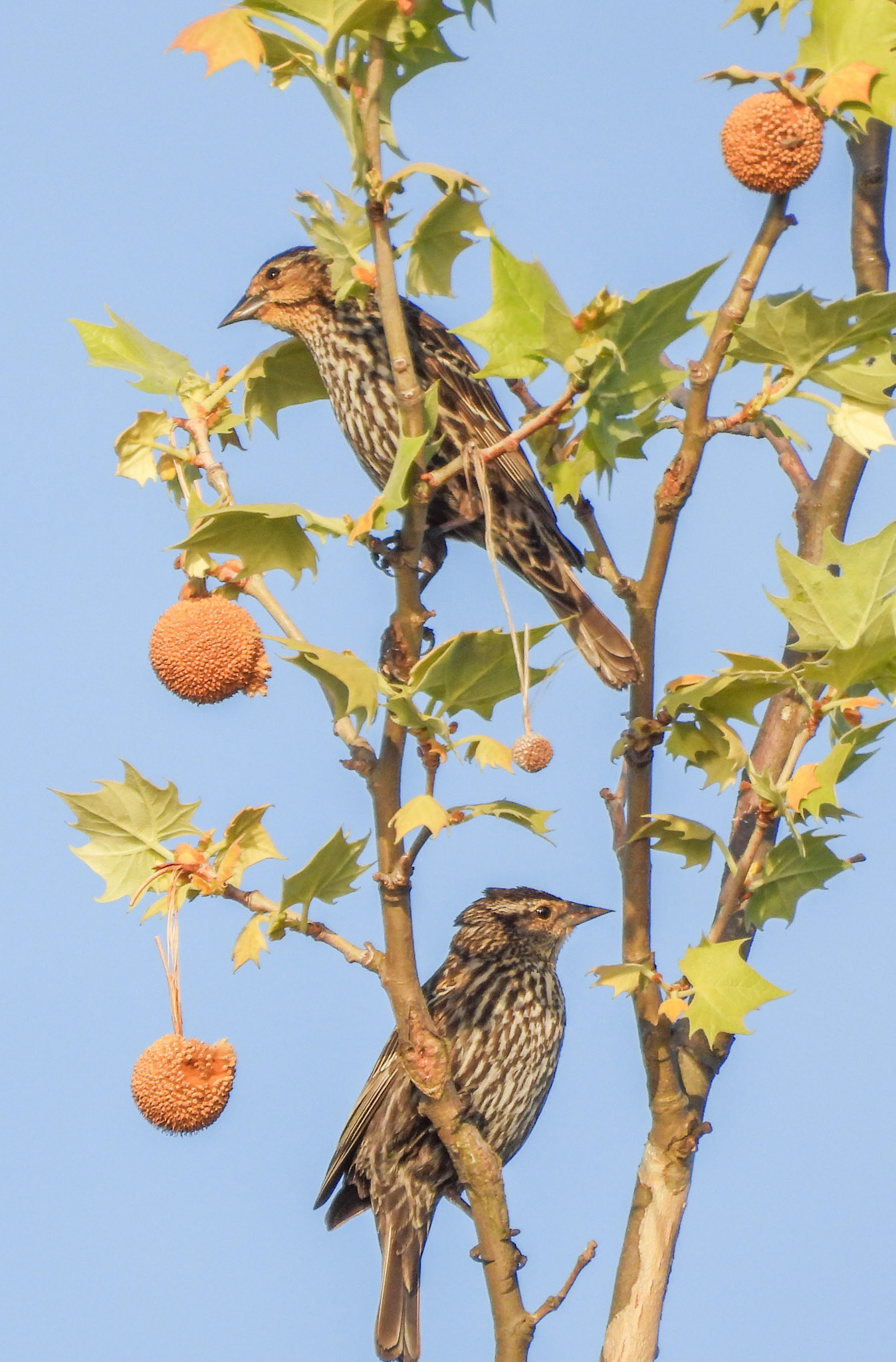
Two female Red-Winged Blackbirds in an American Sycamore tree.
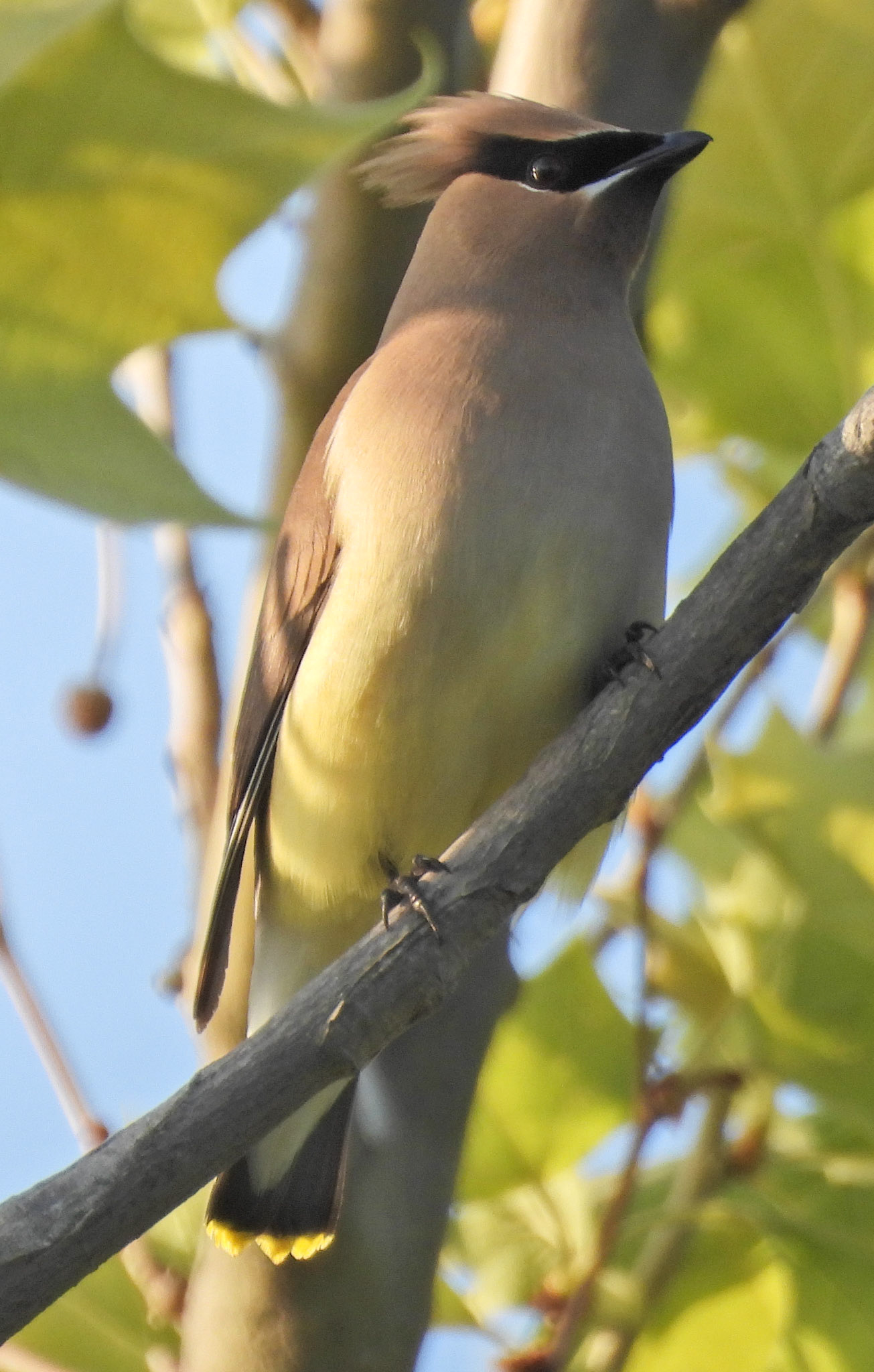
Cedar Waxwing
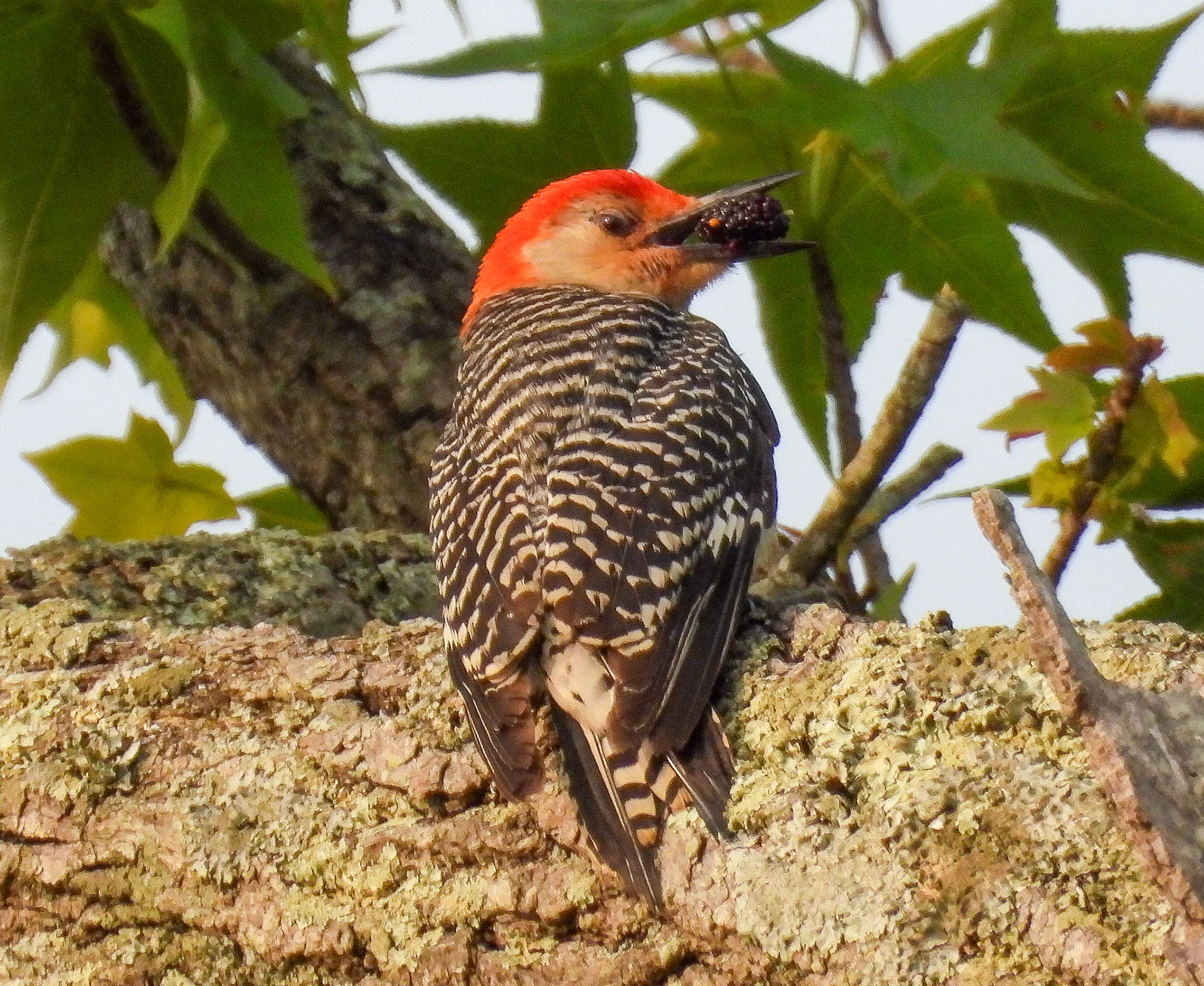
Red-Bellied Woodpecker
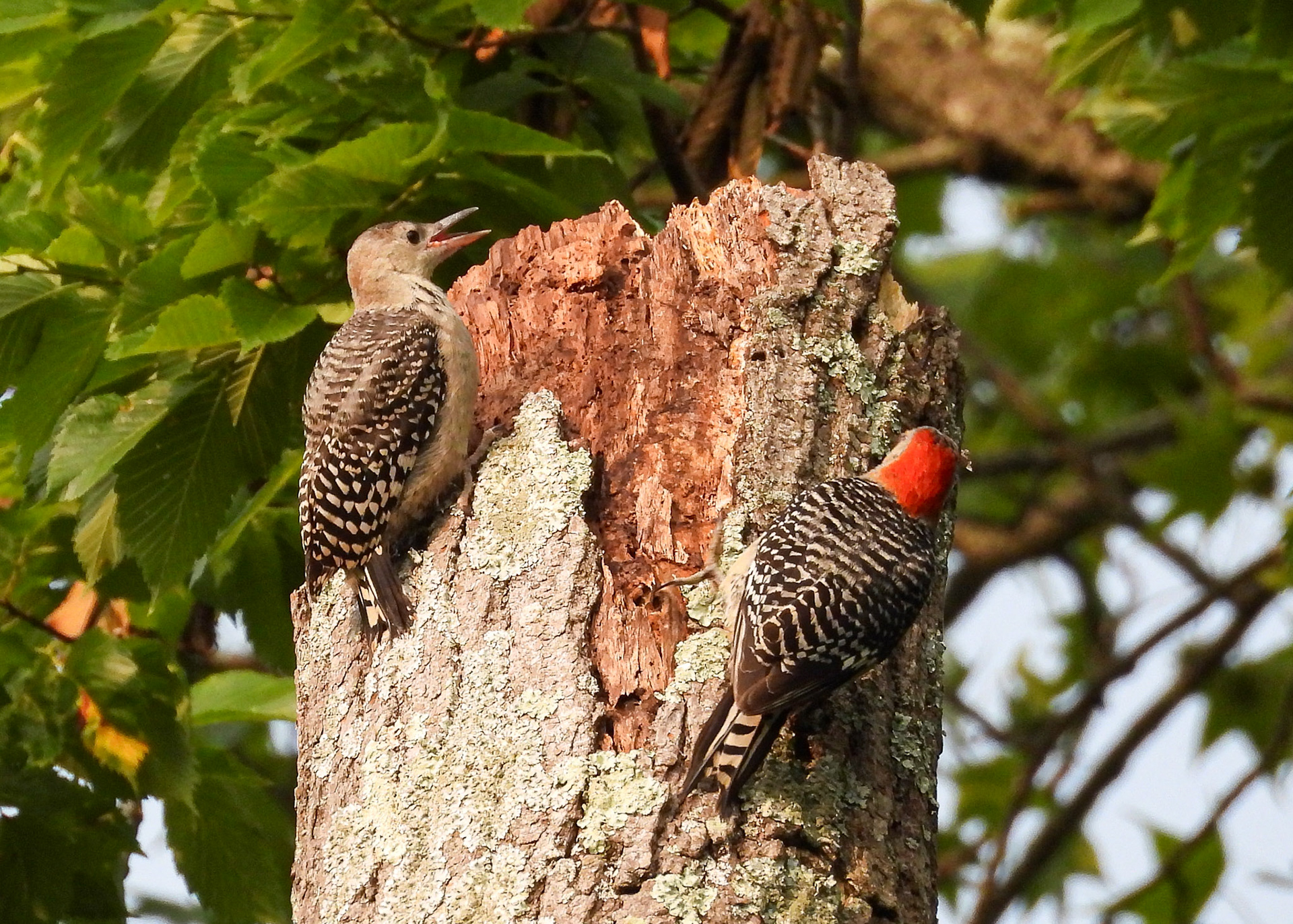
Red-Bellied Woodpecker Pair
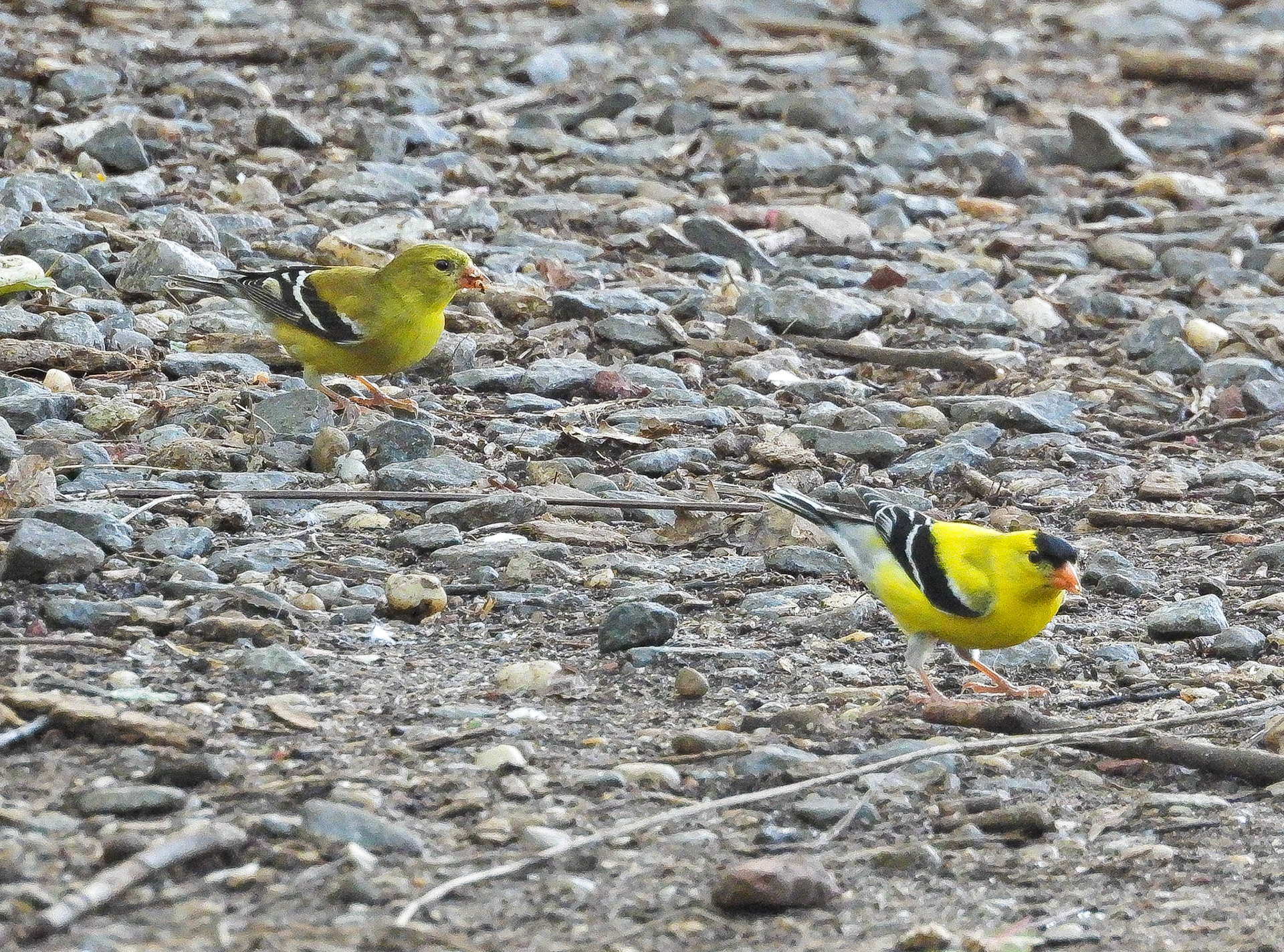
American Golldfinch pair.
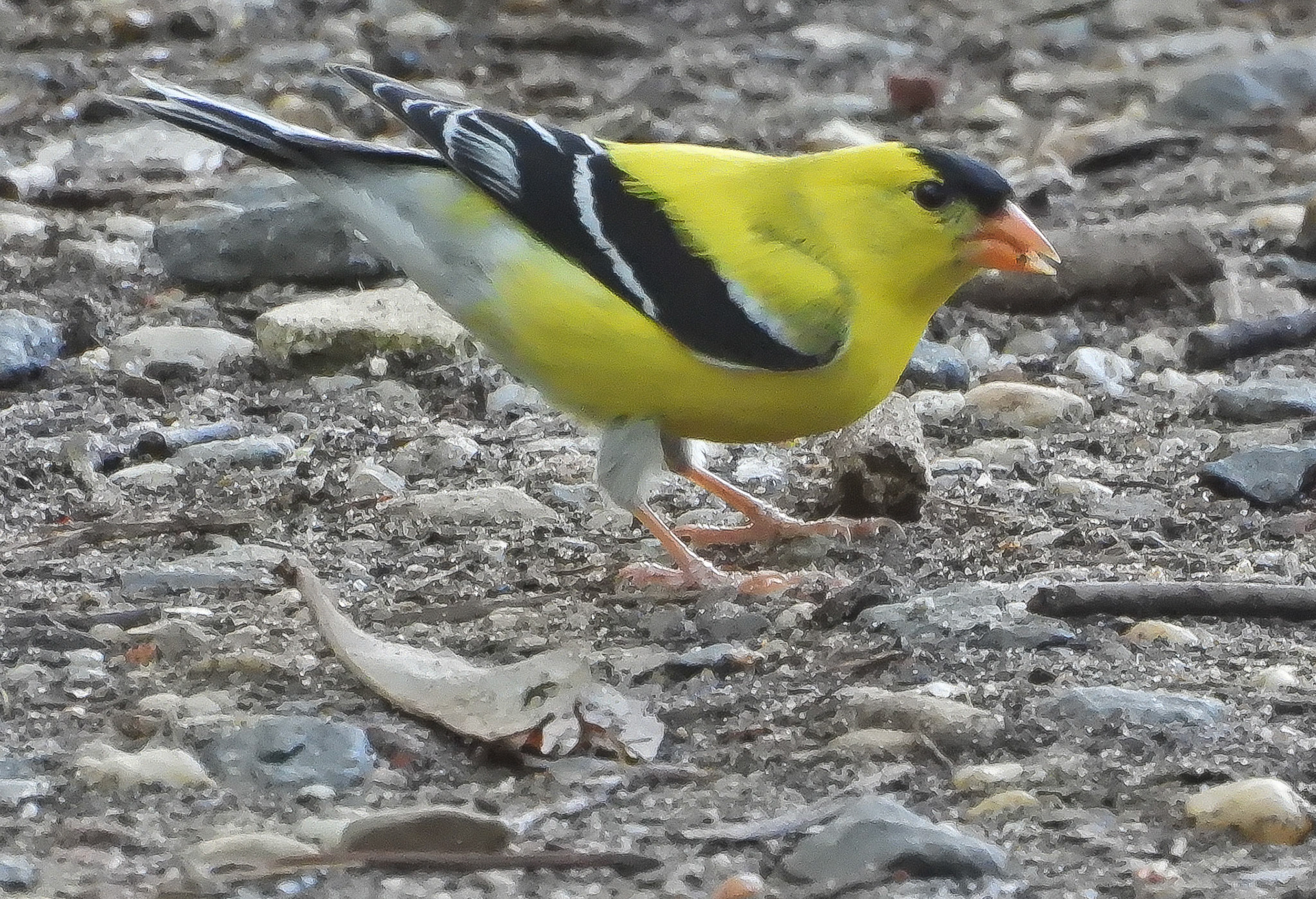
American Goldfinch male in breeding plumage.
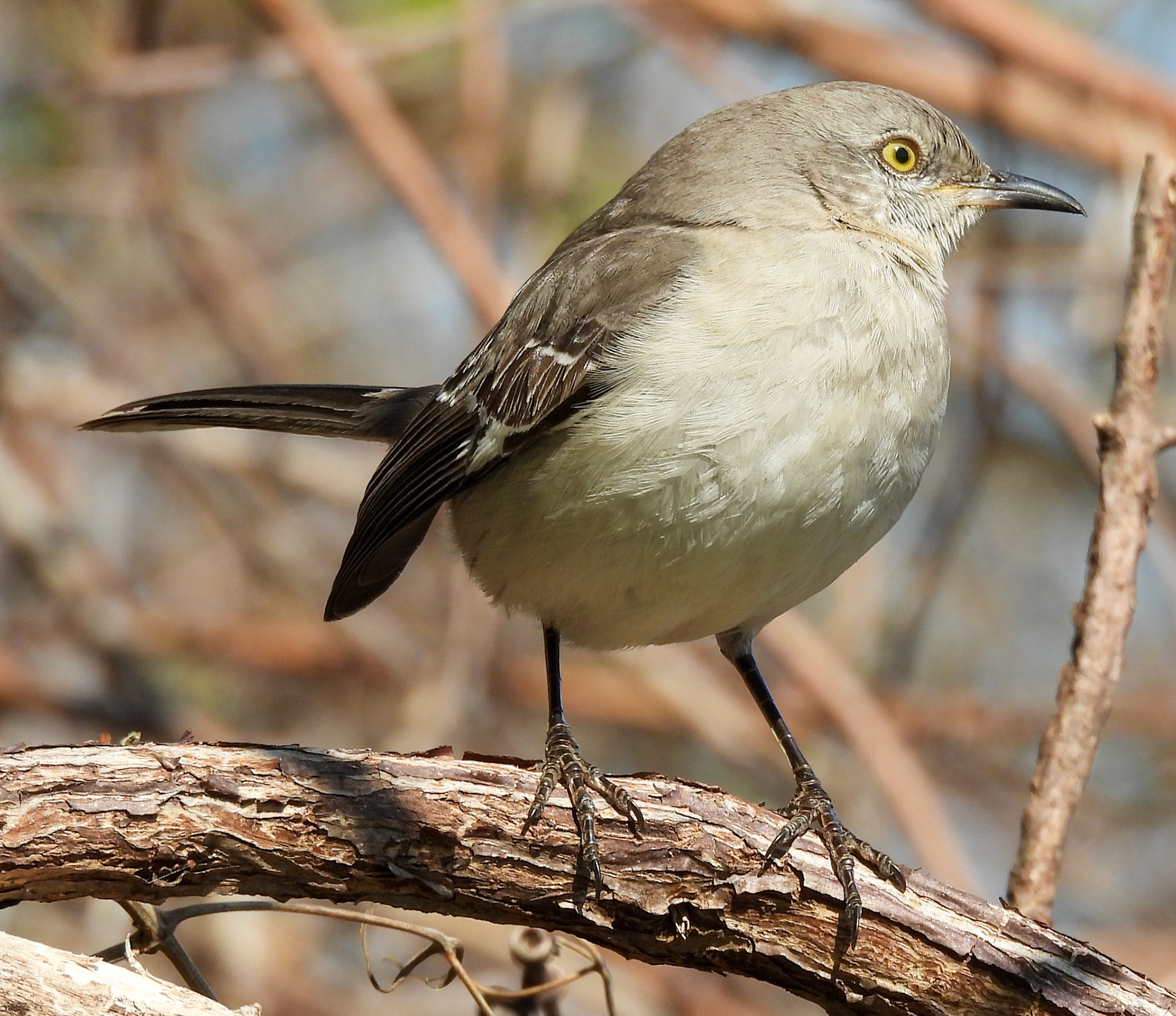
Northern Mlockingbird
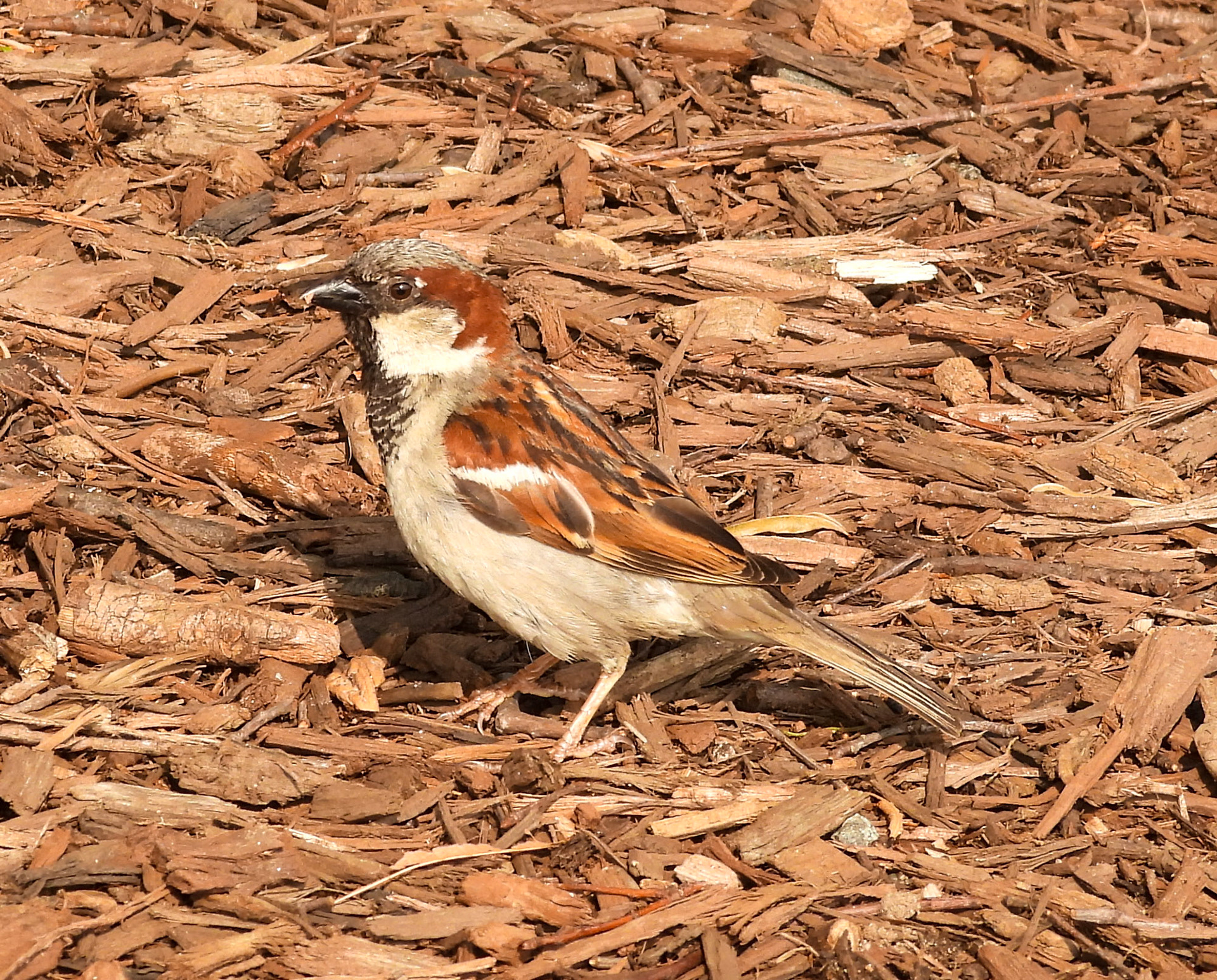
House Sparrow
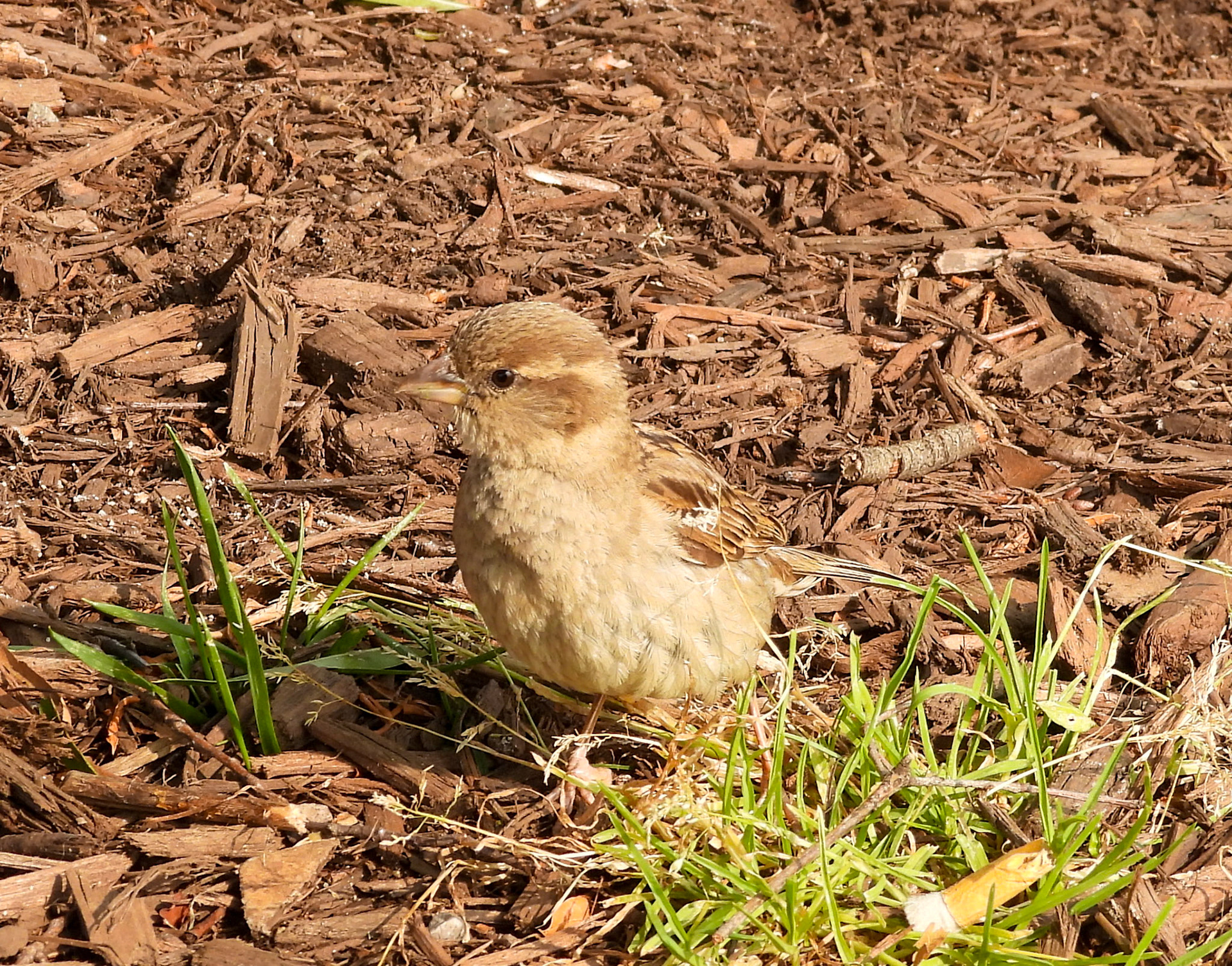
House Sparrow (Juvenile)
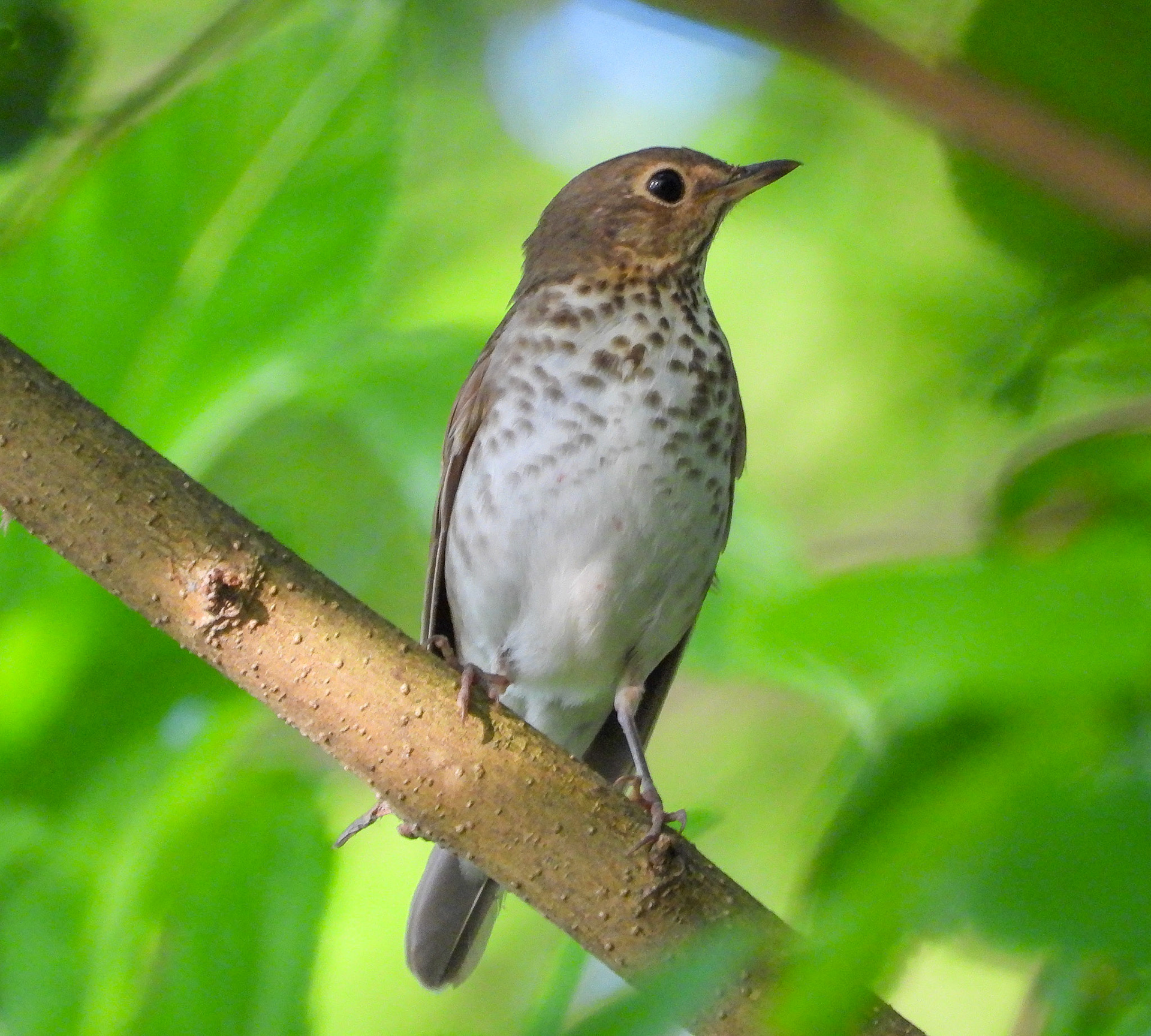
This Swainson's Thrush stopped at Dyke Marsh in mid-May on the way to it's northern breeding range. These thrushes are known for their upward-spiraling flutelike calls.
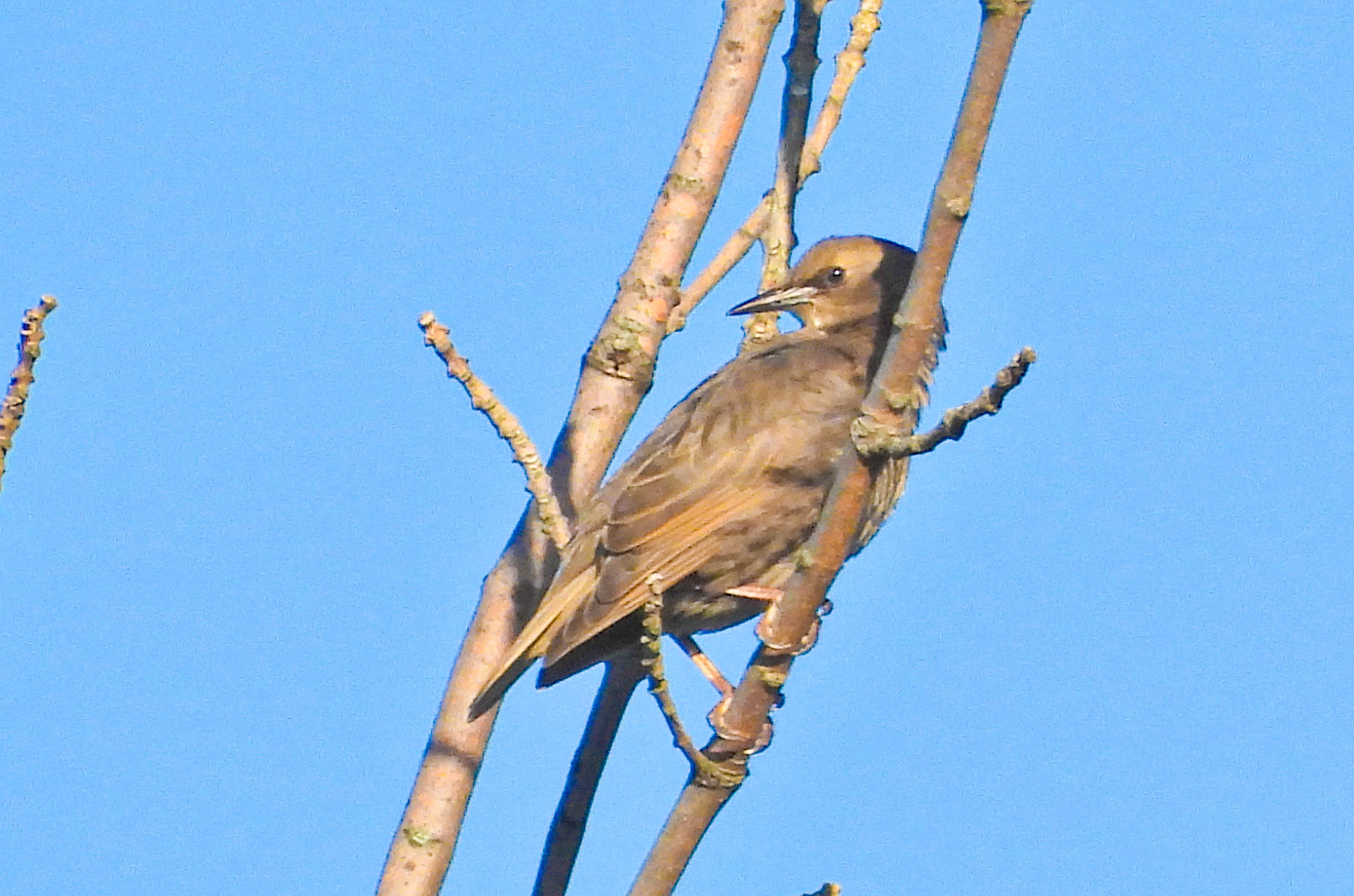
European Starling juvenile
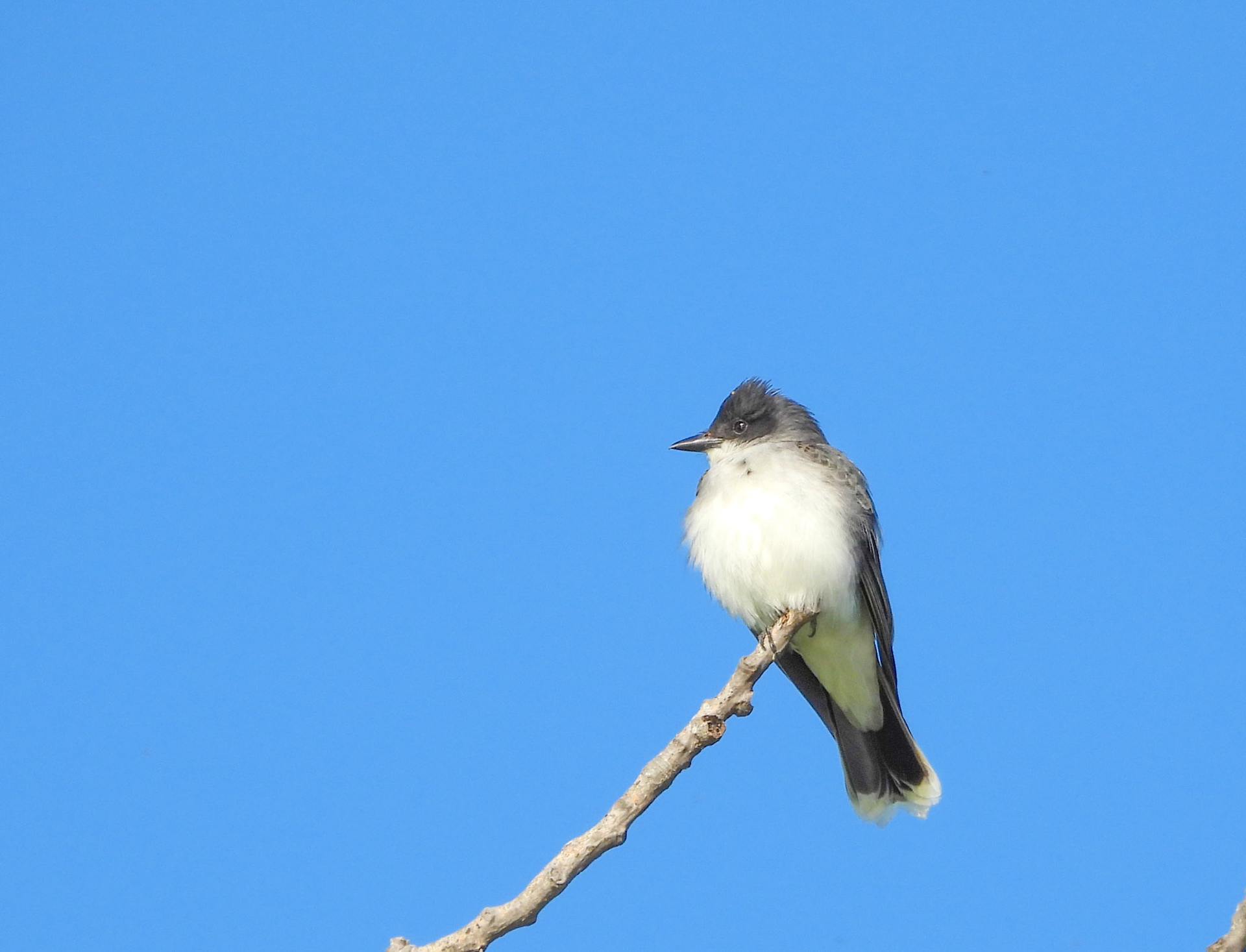
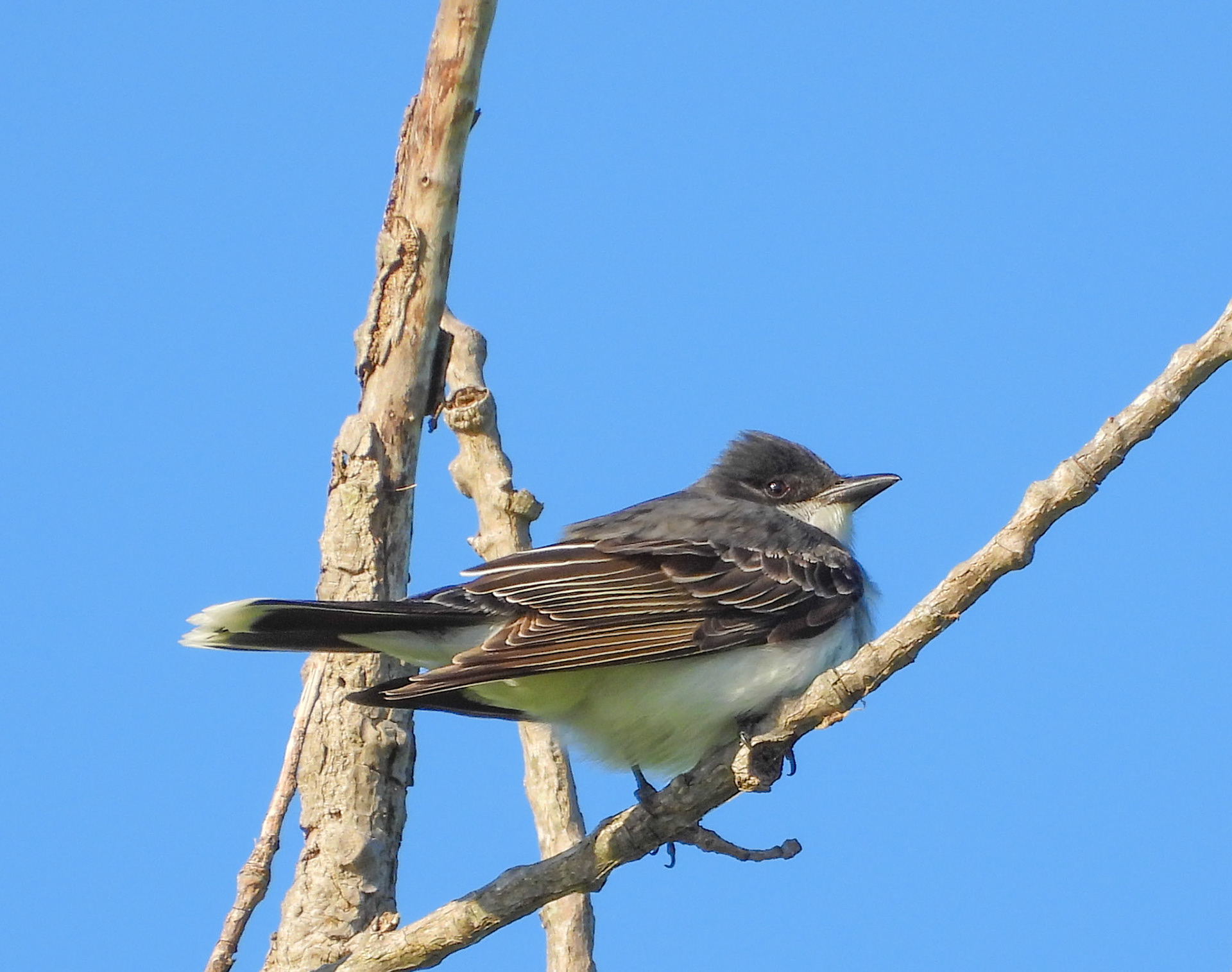
Eastern Kingbird
The Eastern Kingbird is very terriitorial and will attack larger birds and squirrels that get near its nest.
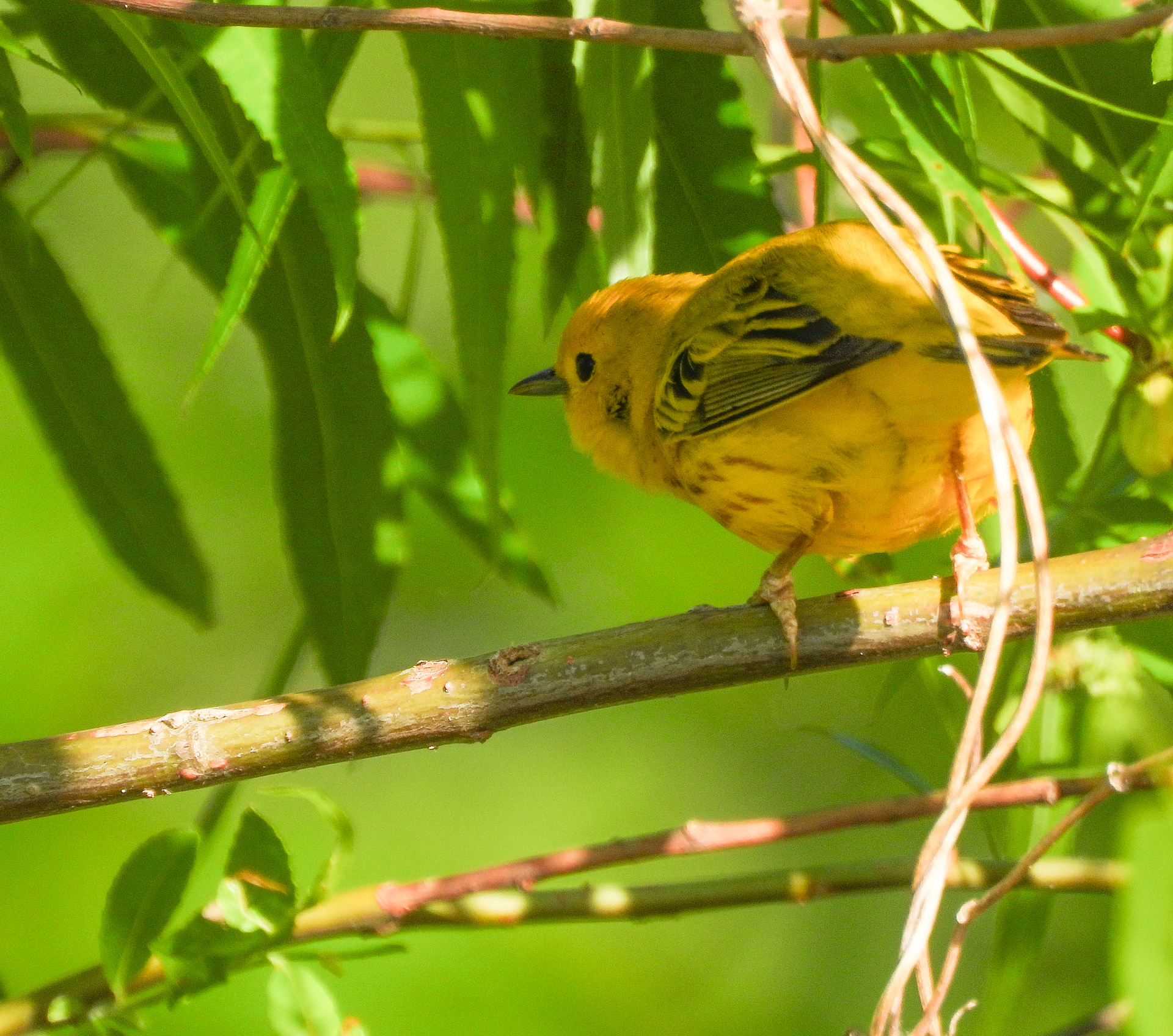
Yellow Warbler
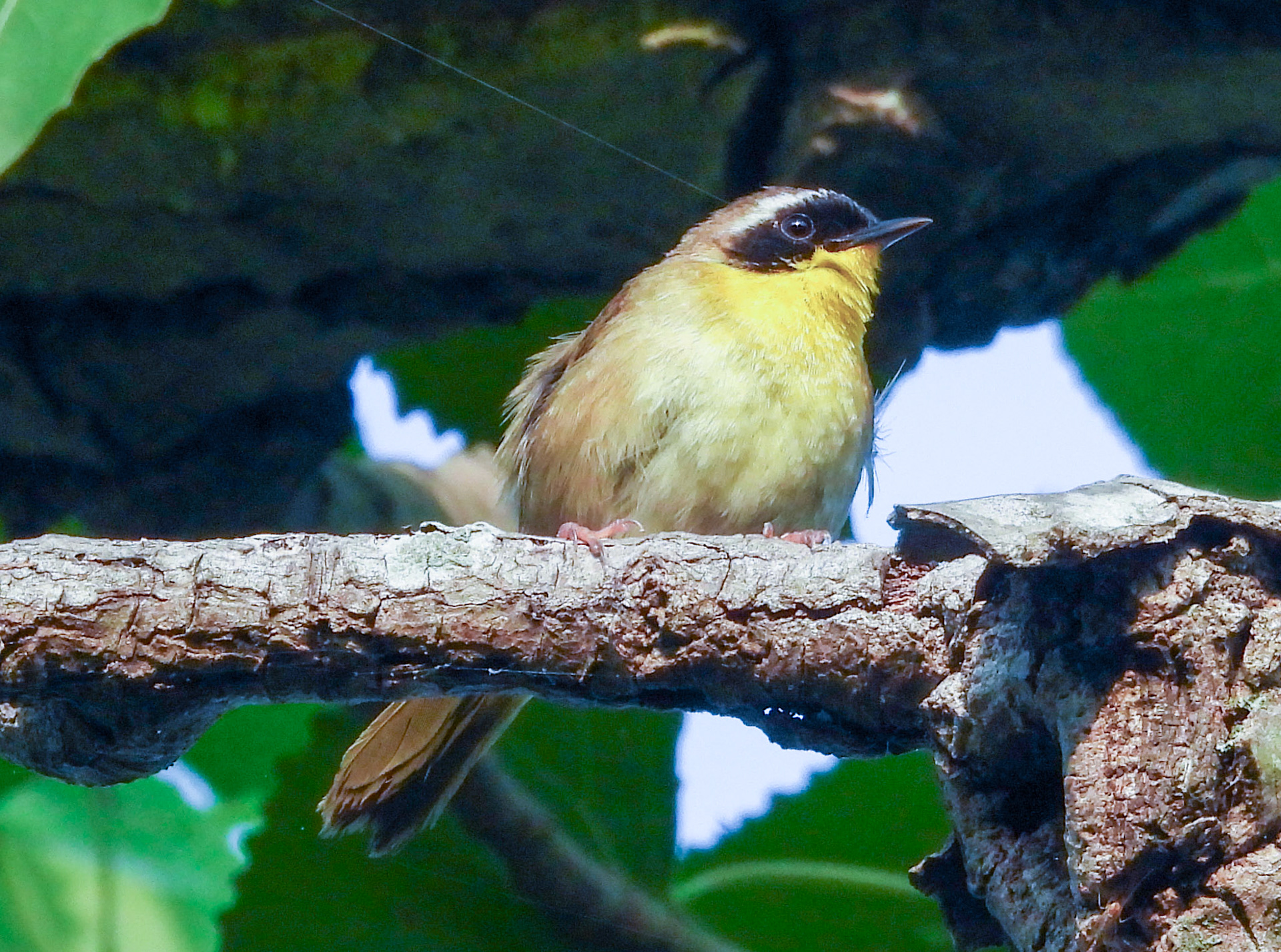
Common Yellowthroats prefer open areas with thick low vegetation, such as marshes.
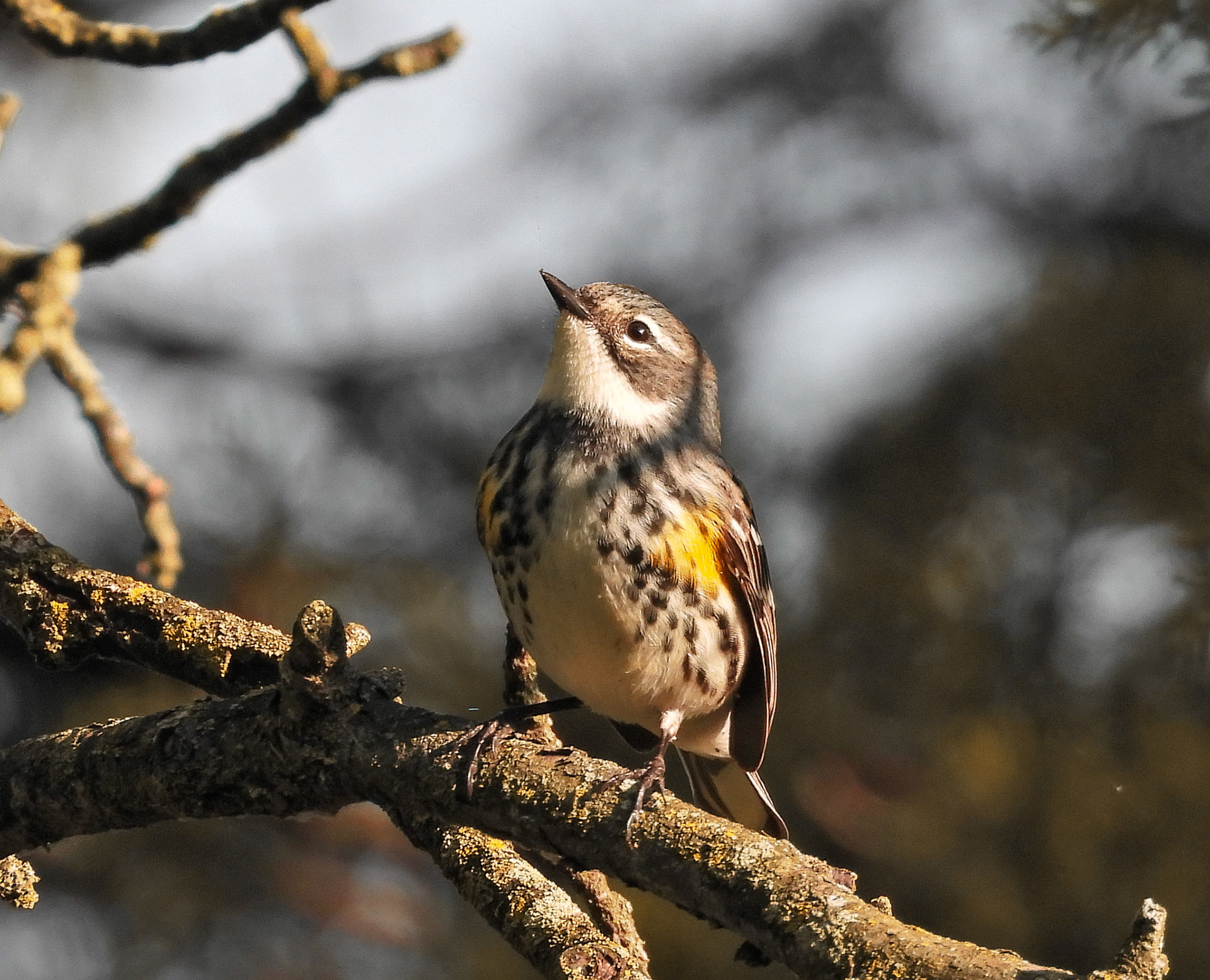
Yellow-rumped Warbler female
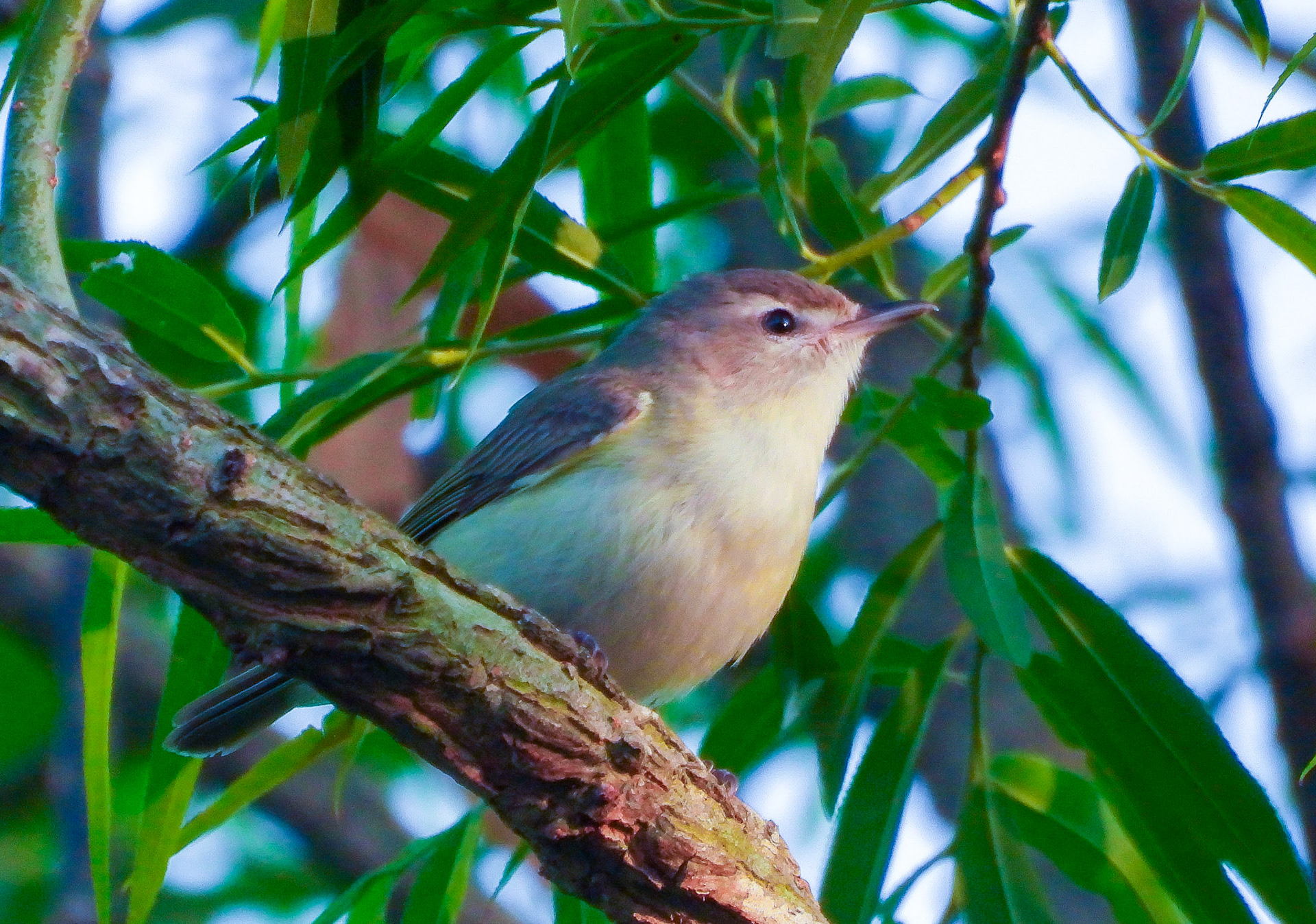
Eastern Warbling Vireo
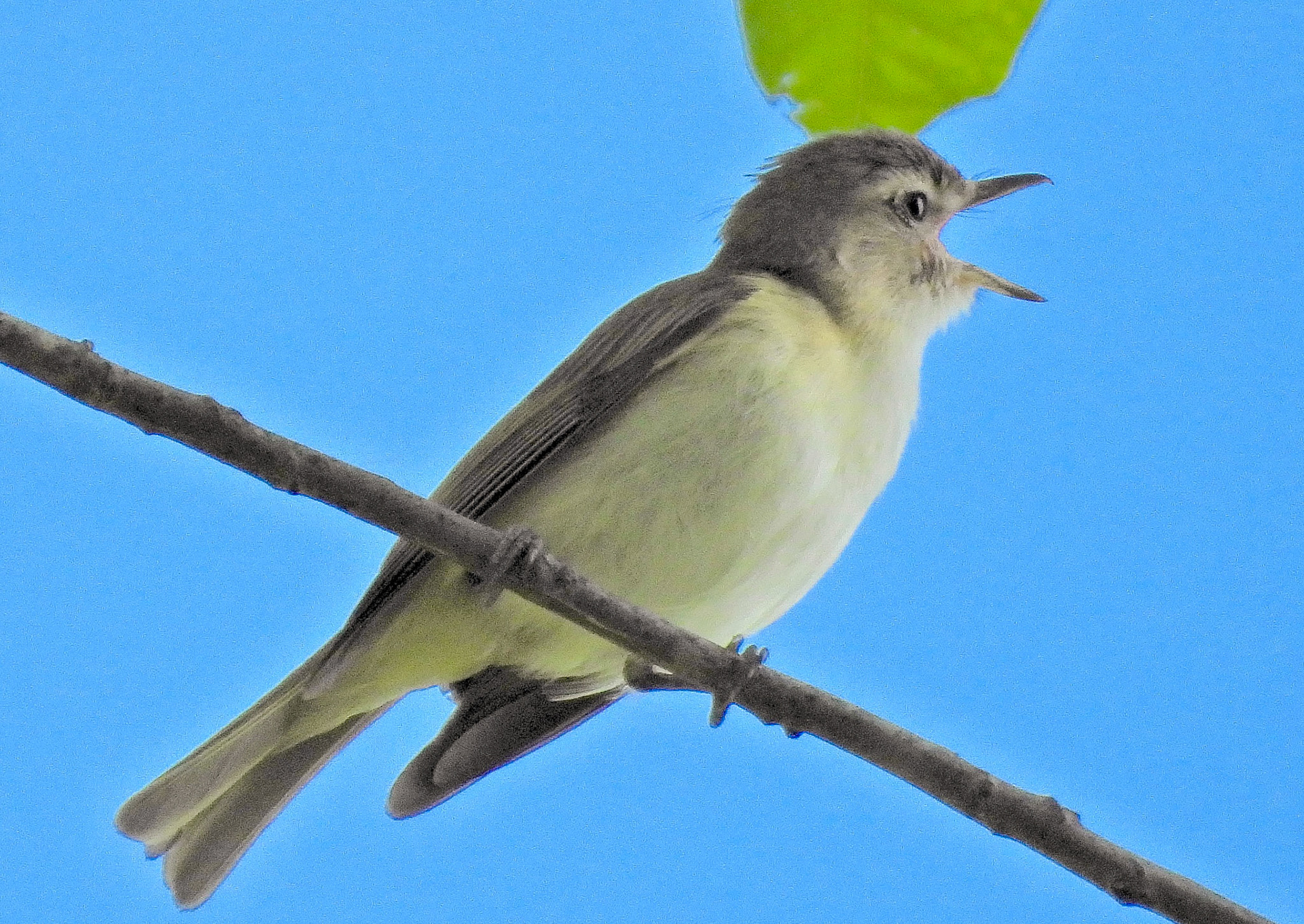
Eastern Warbling Vireo
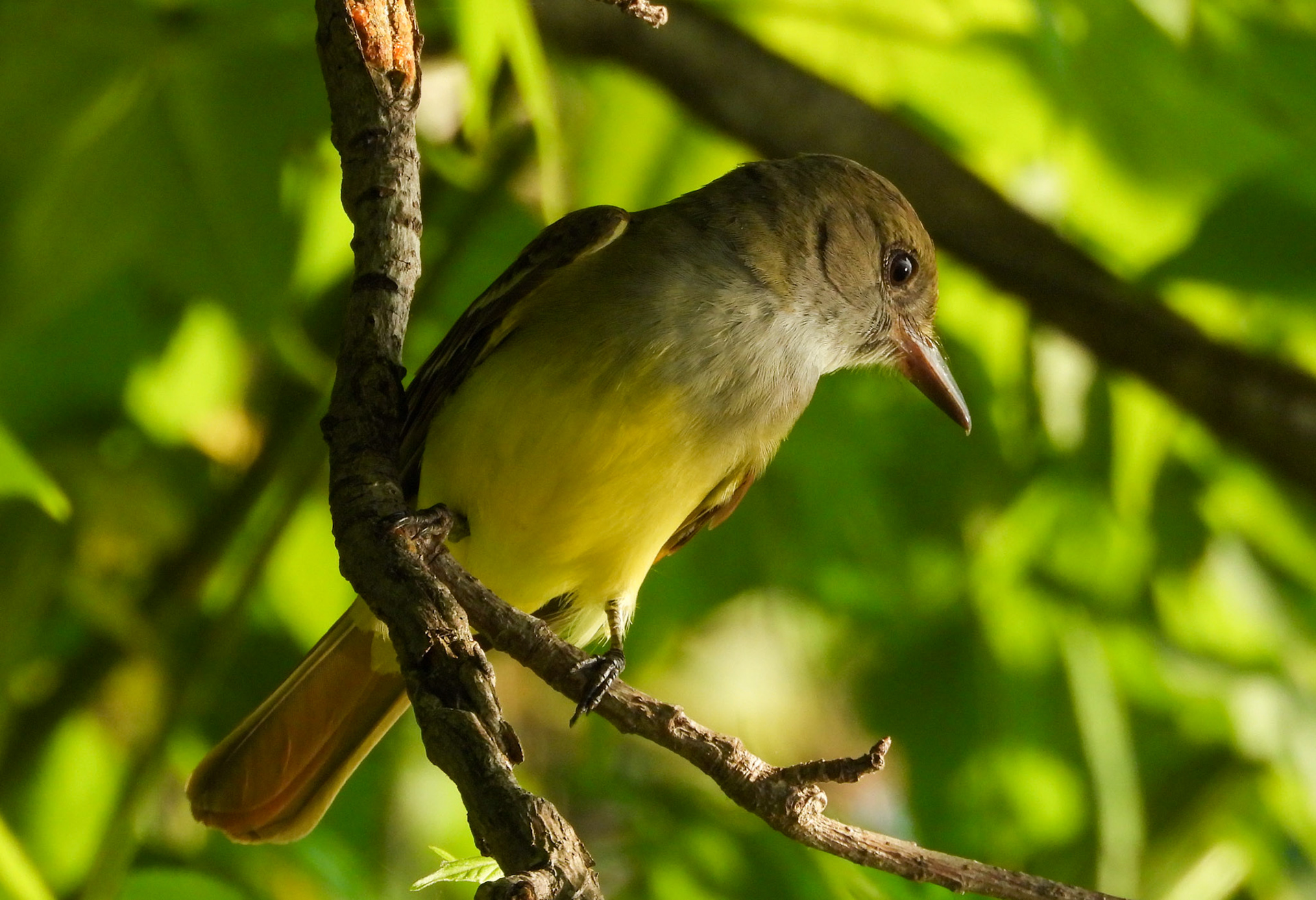
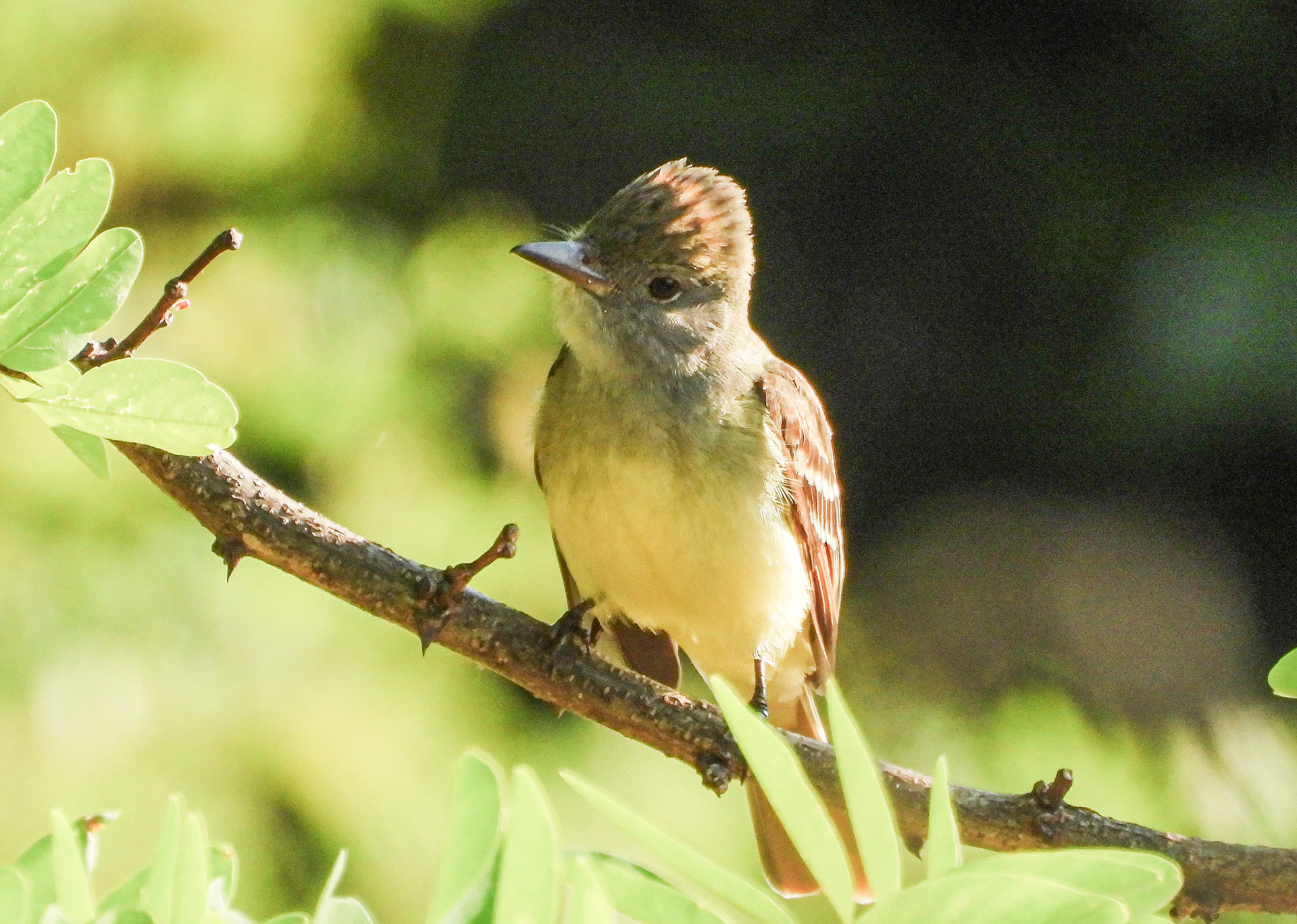
Great Crested Flycatcher
A Great Crested Flycatcher with it's crest raised, which is usually a sign of aggression or a courtship display.
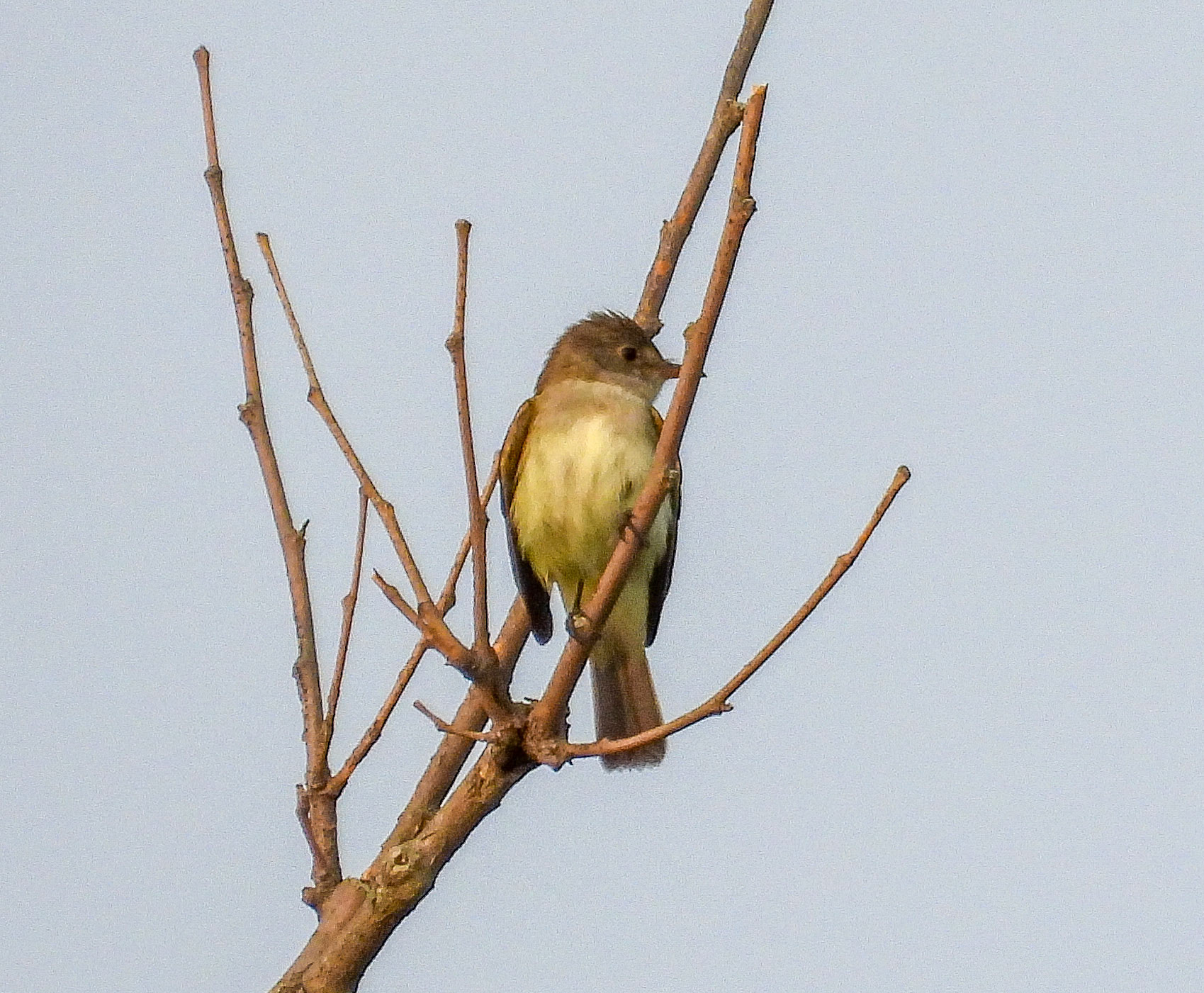
Willow Flycatcher
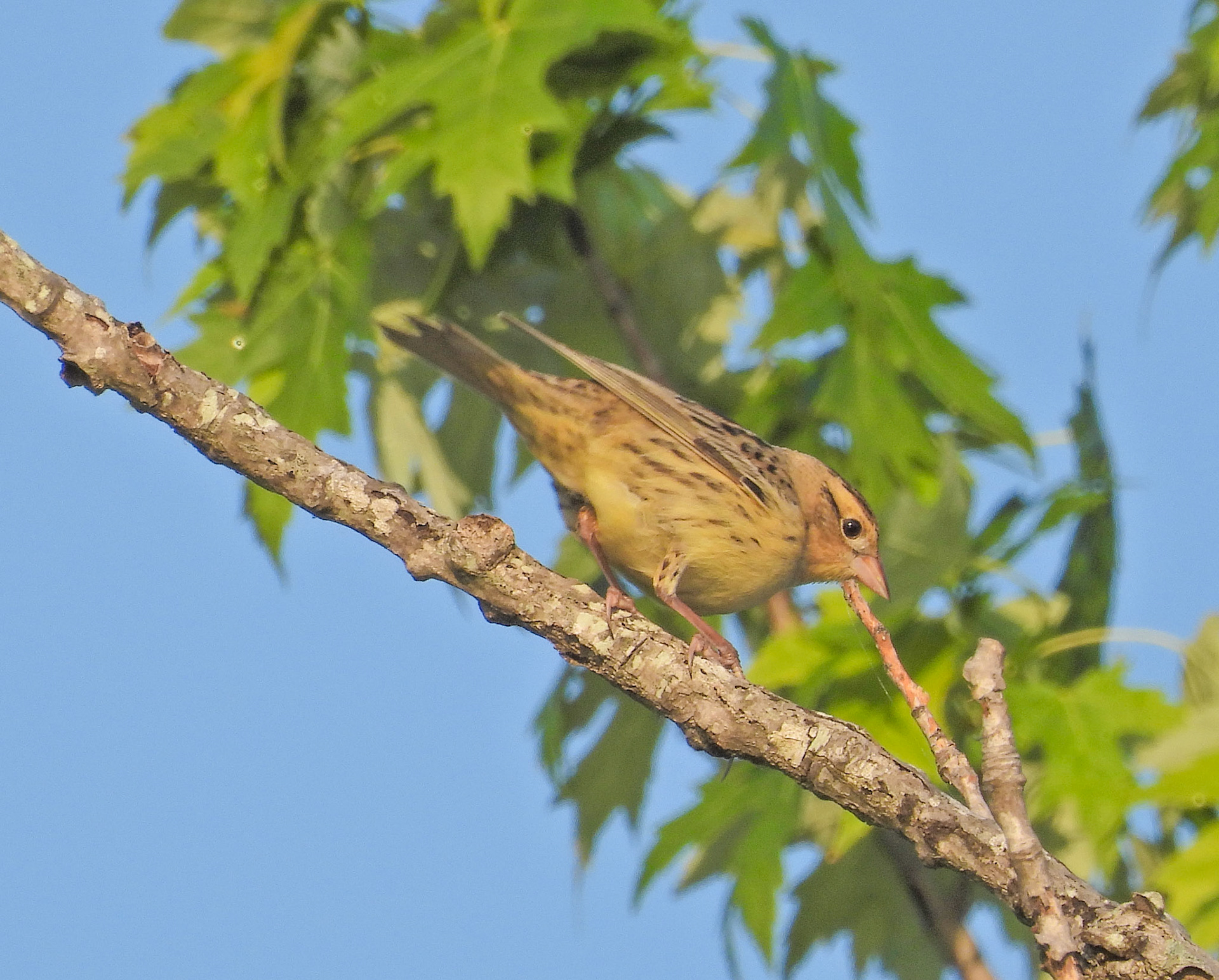
Bobolink female or non-breeding male in mid-May. Bobolinks can travel up to 12,000 miles in a year between its breeding range in the northern US and southern Canada and its wintering grounds in South America as far south as Argentina.
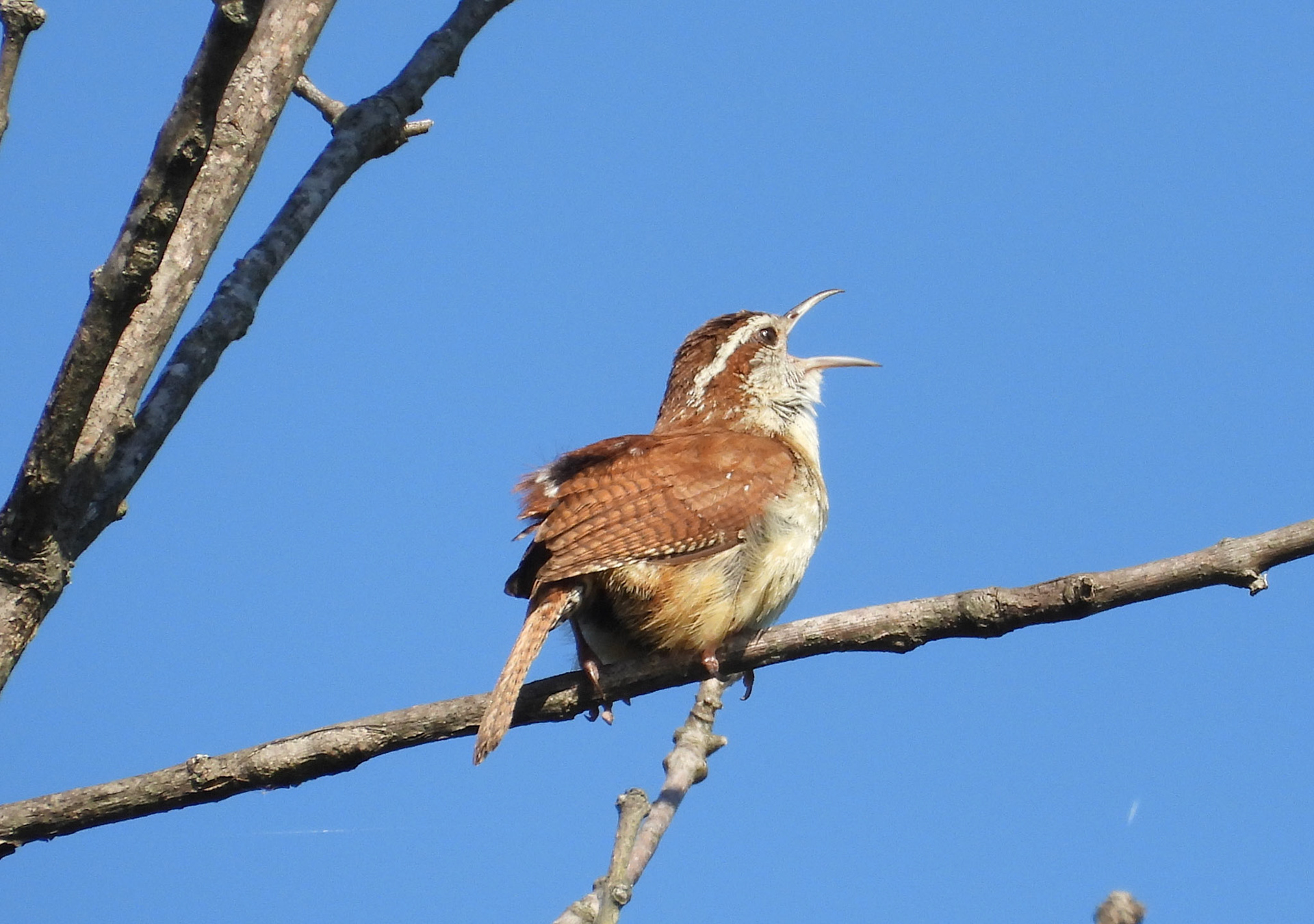
Carolina Wren - a tiny bird with a big voice.
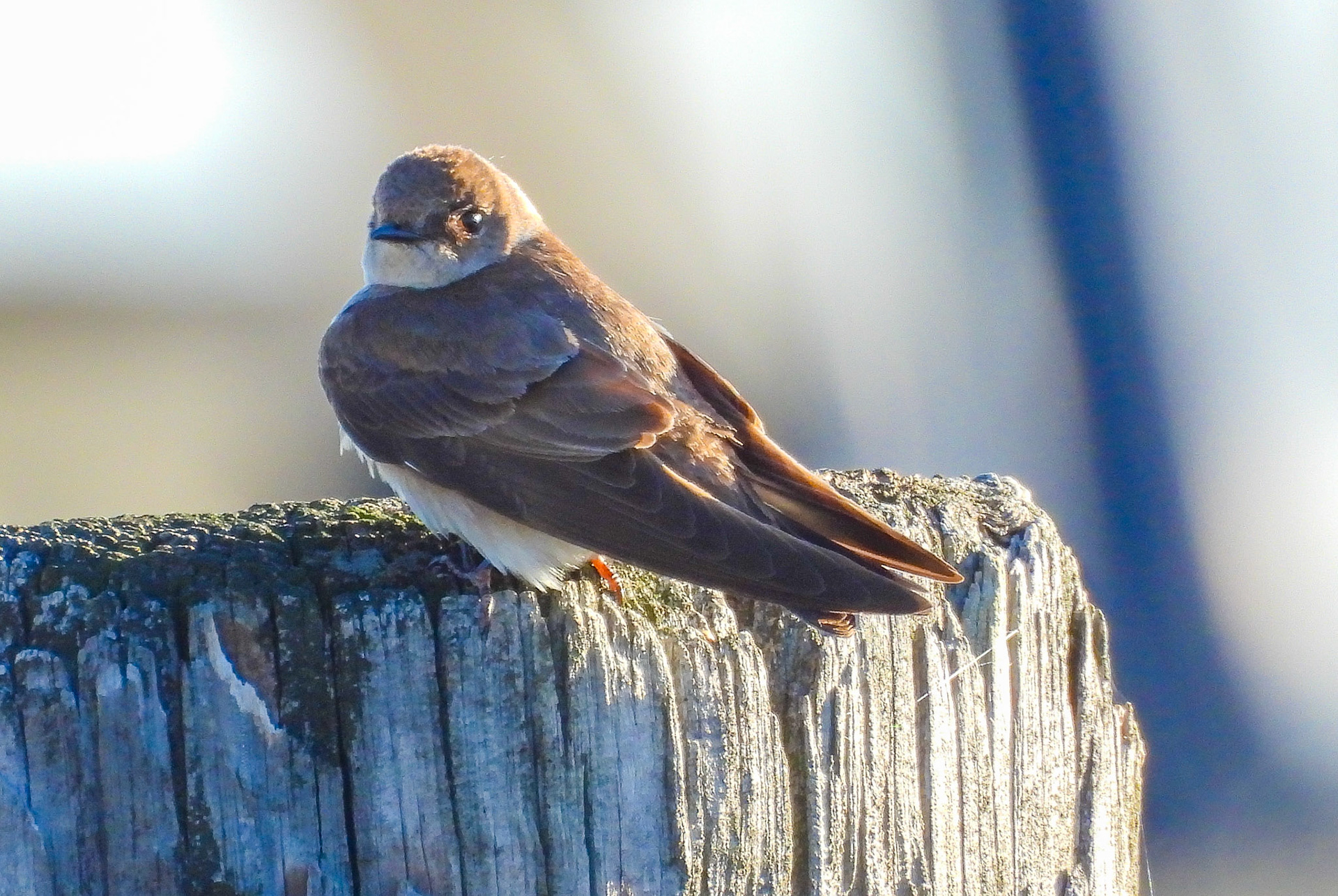
Northern Rough-winged Swallows venture north of the gulf coast and Mexico only to breed in the spring and summer.
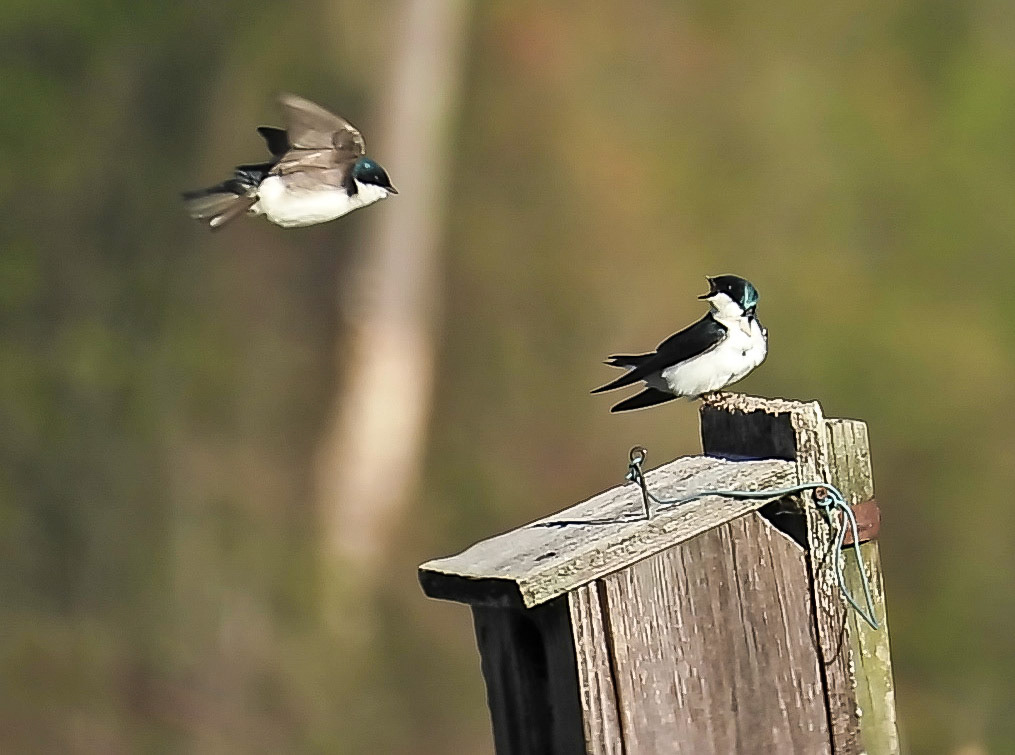
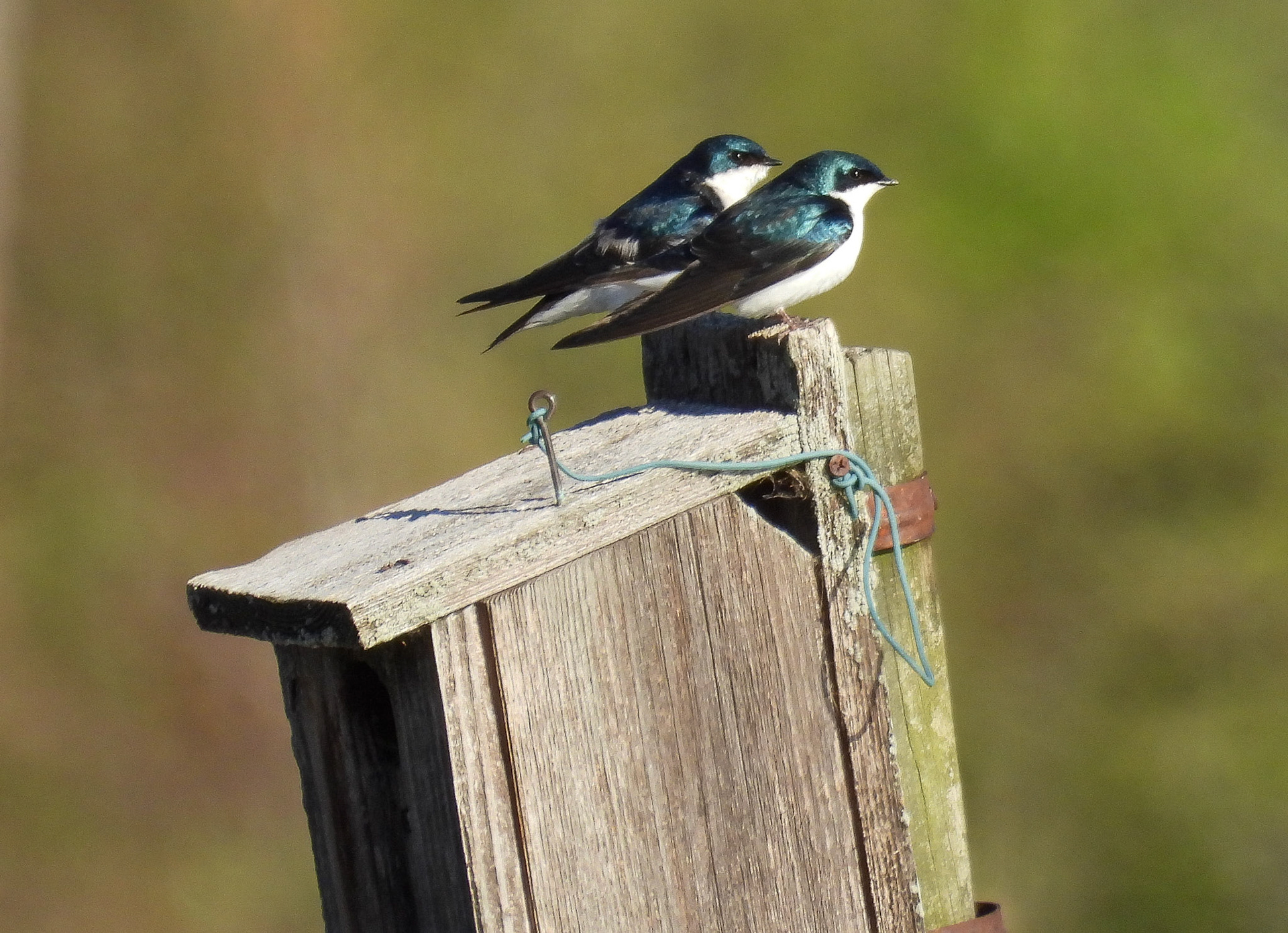
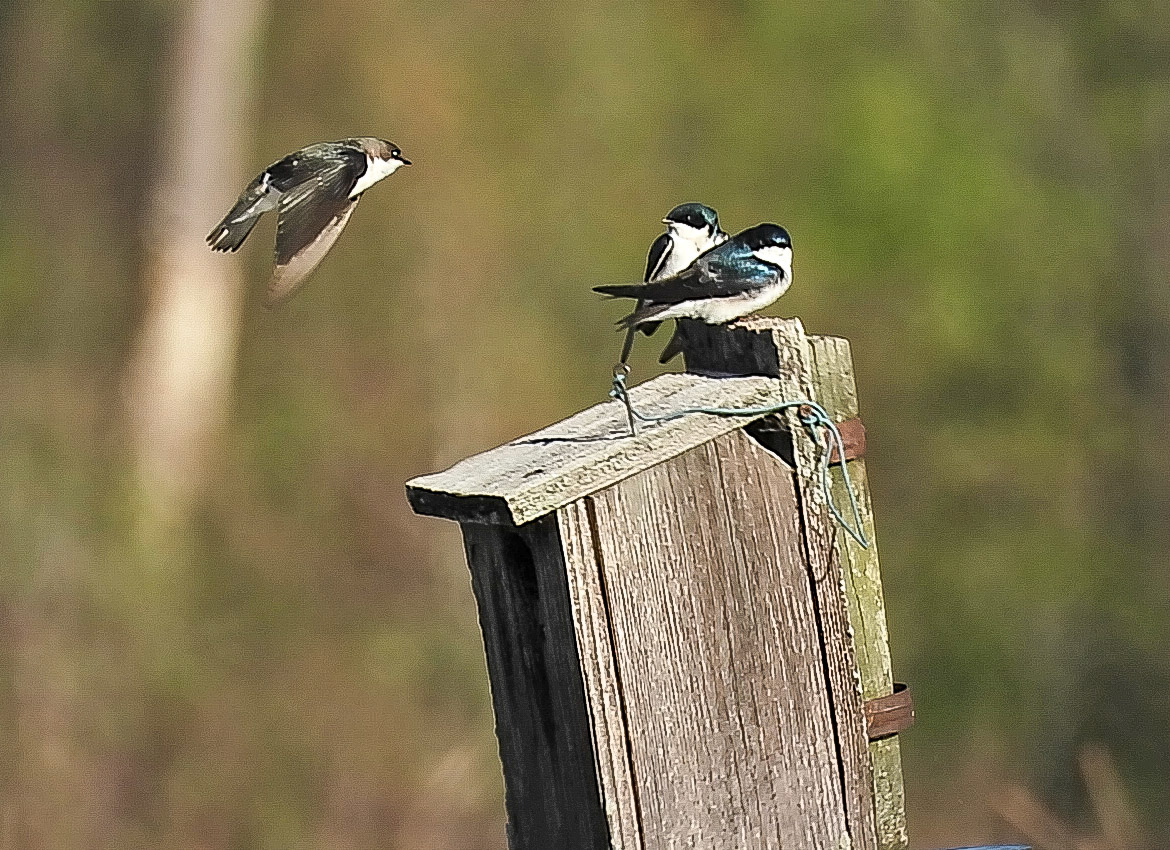
Courting time for Tree Swallows.
Tree Swallows stake out a prime nesting location.
Competition among Tree Sparrows for mates and prime nesting sites is fierce.
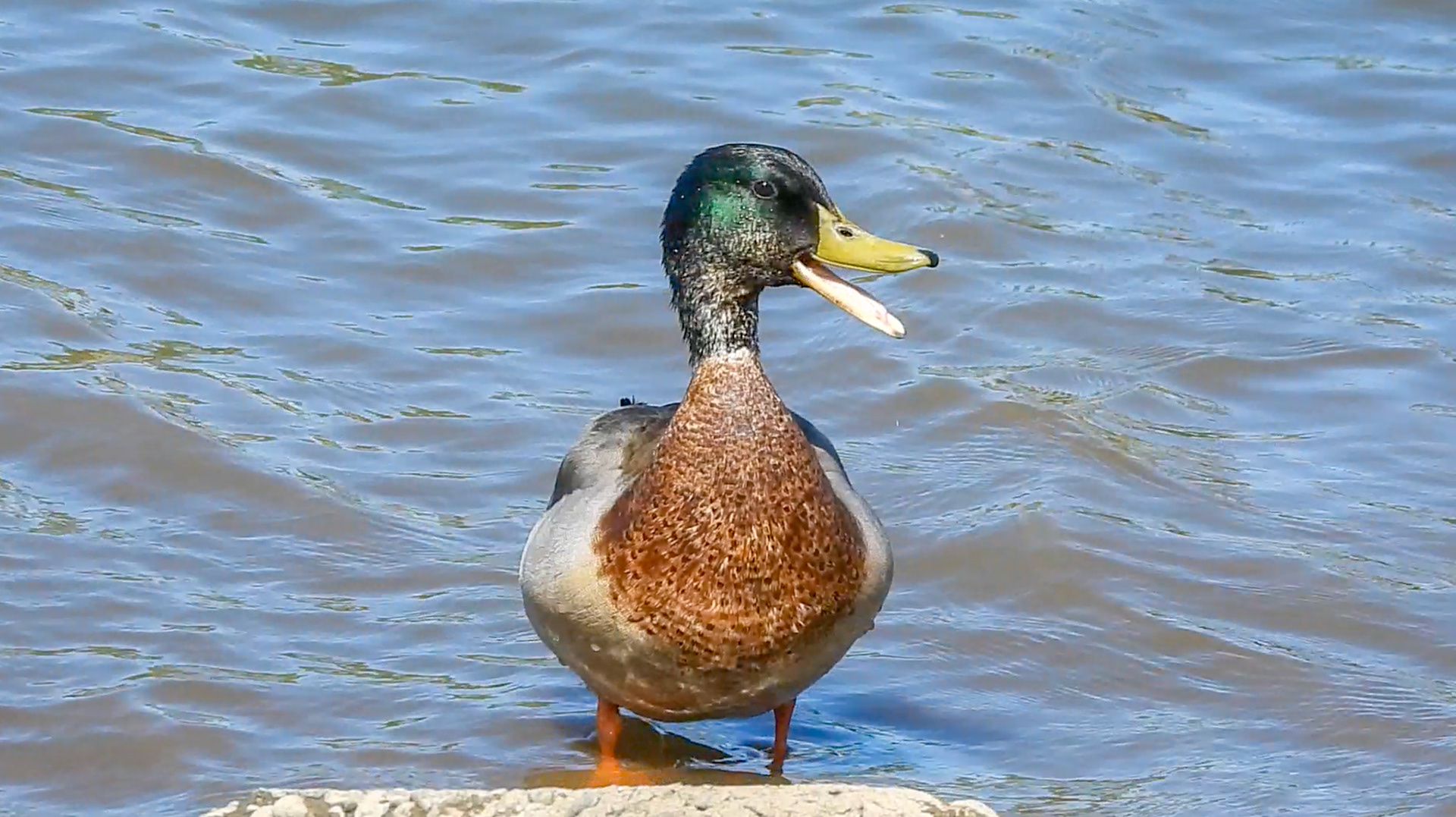
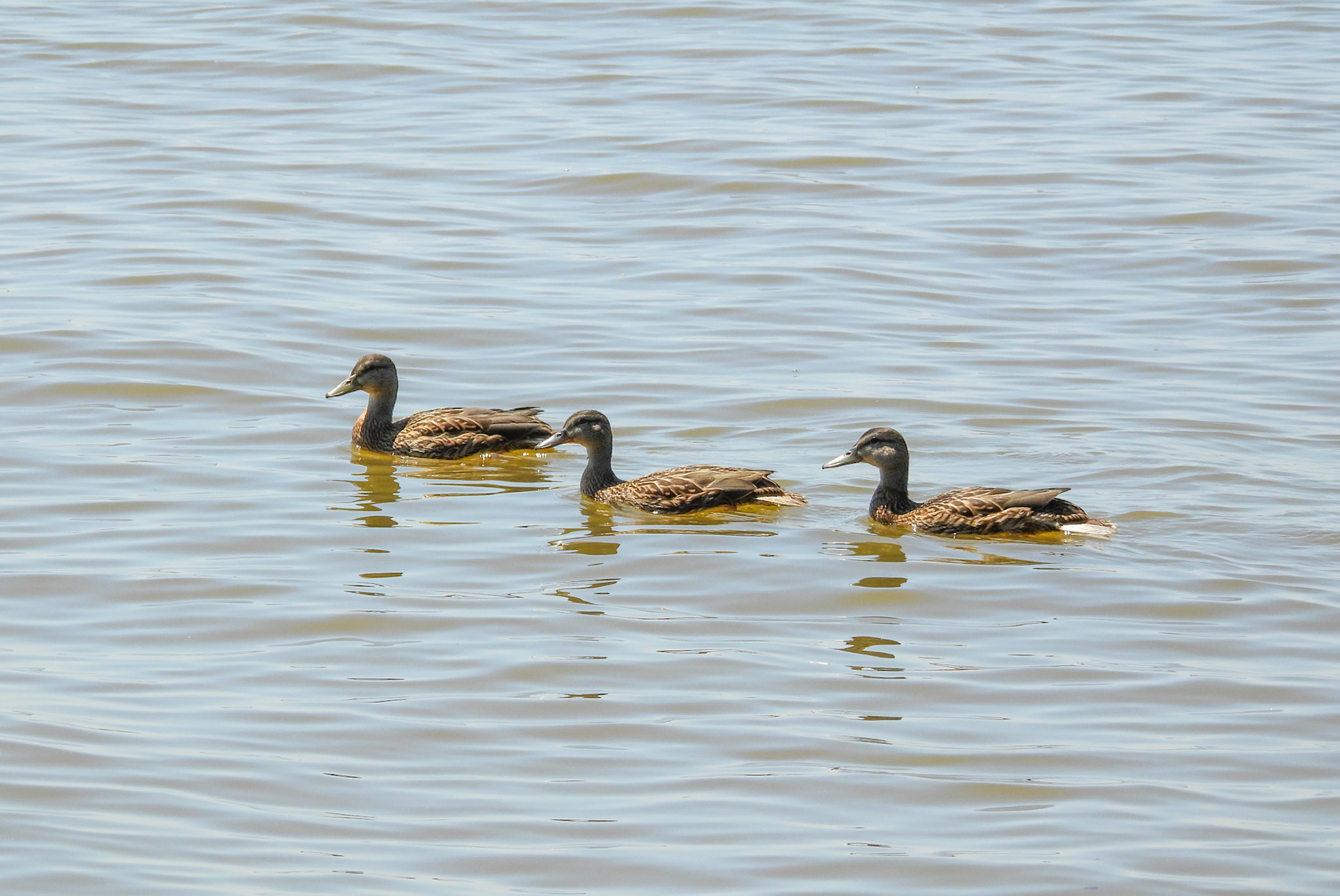
Mallard
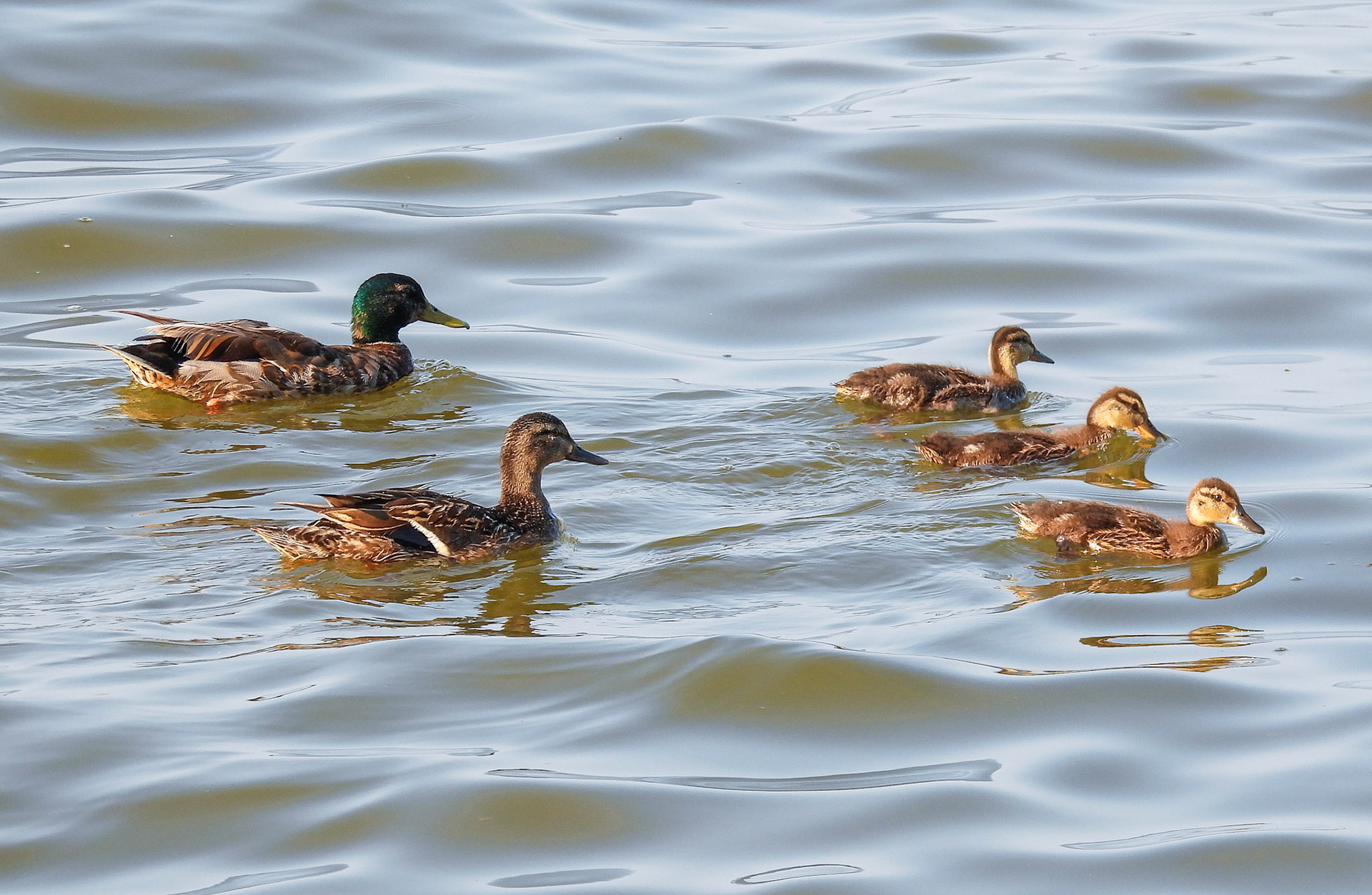
Mallard Family Outing 1/3
Mallard Family Outing 2/3
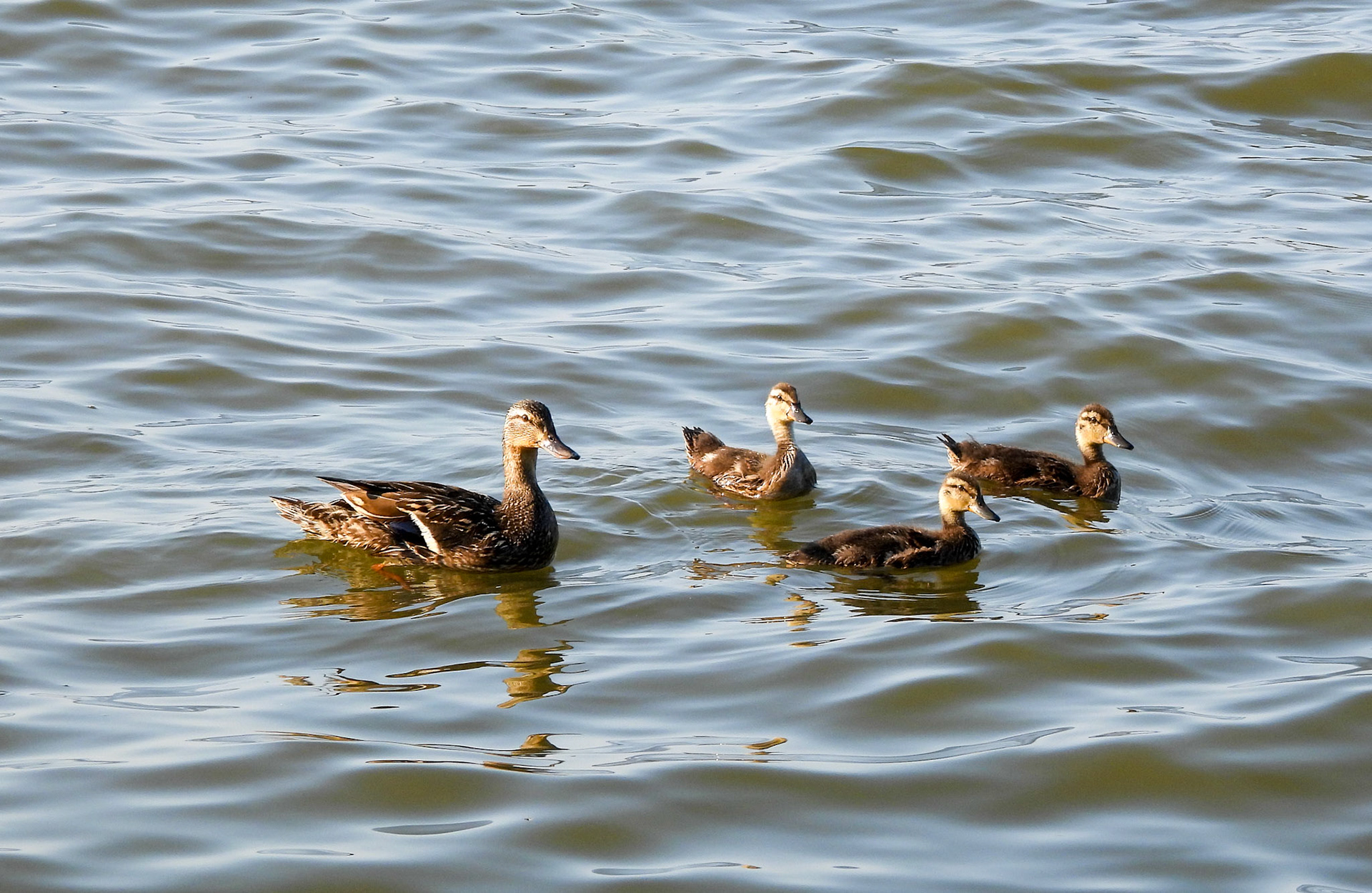
Mallard Family Outing 3/3 - The "teenaged" duckllings are now able cruise the marsh without their parents.
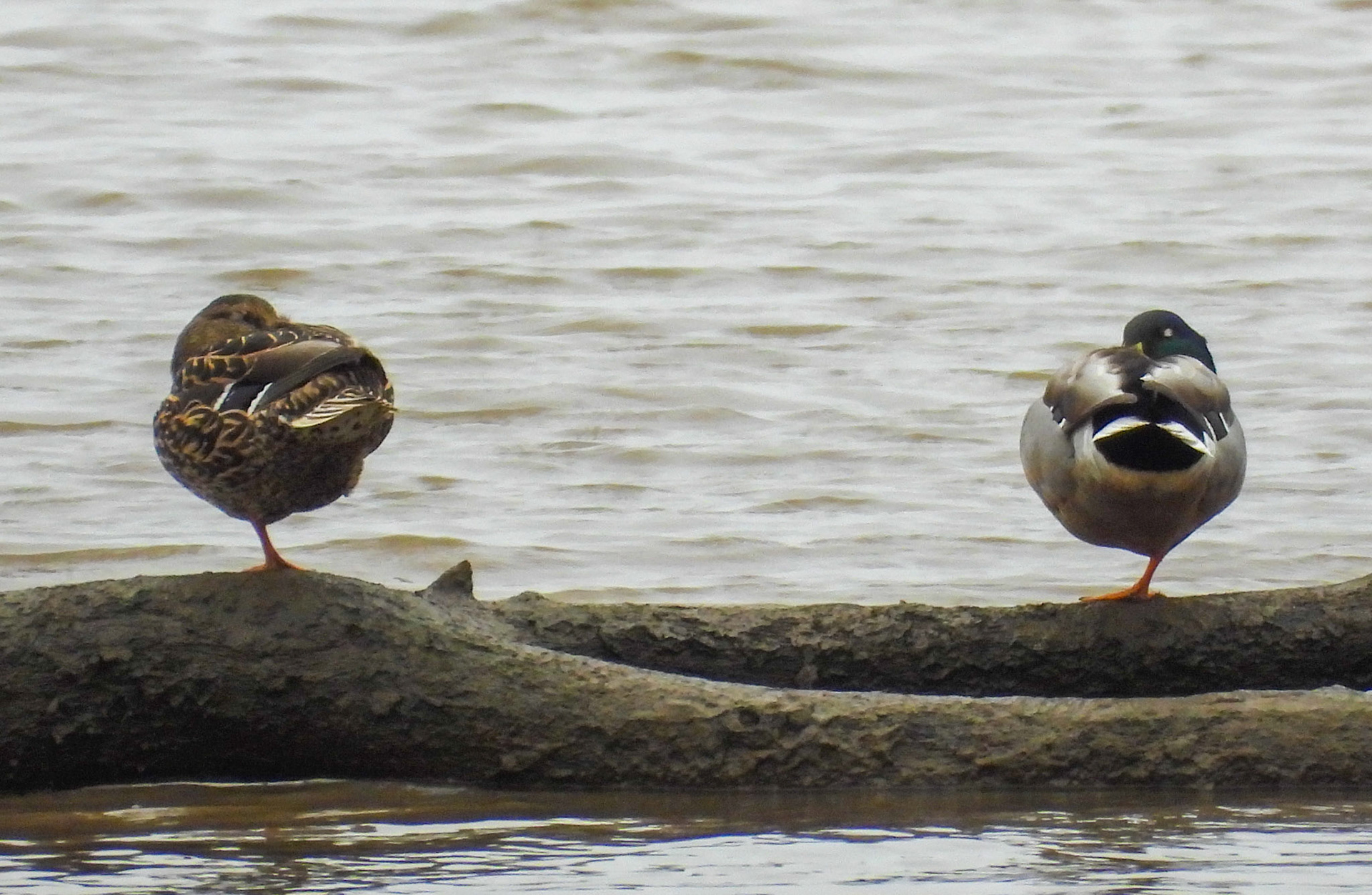
A Mallard pair take an afternoon nap.
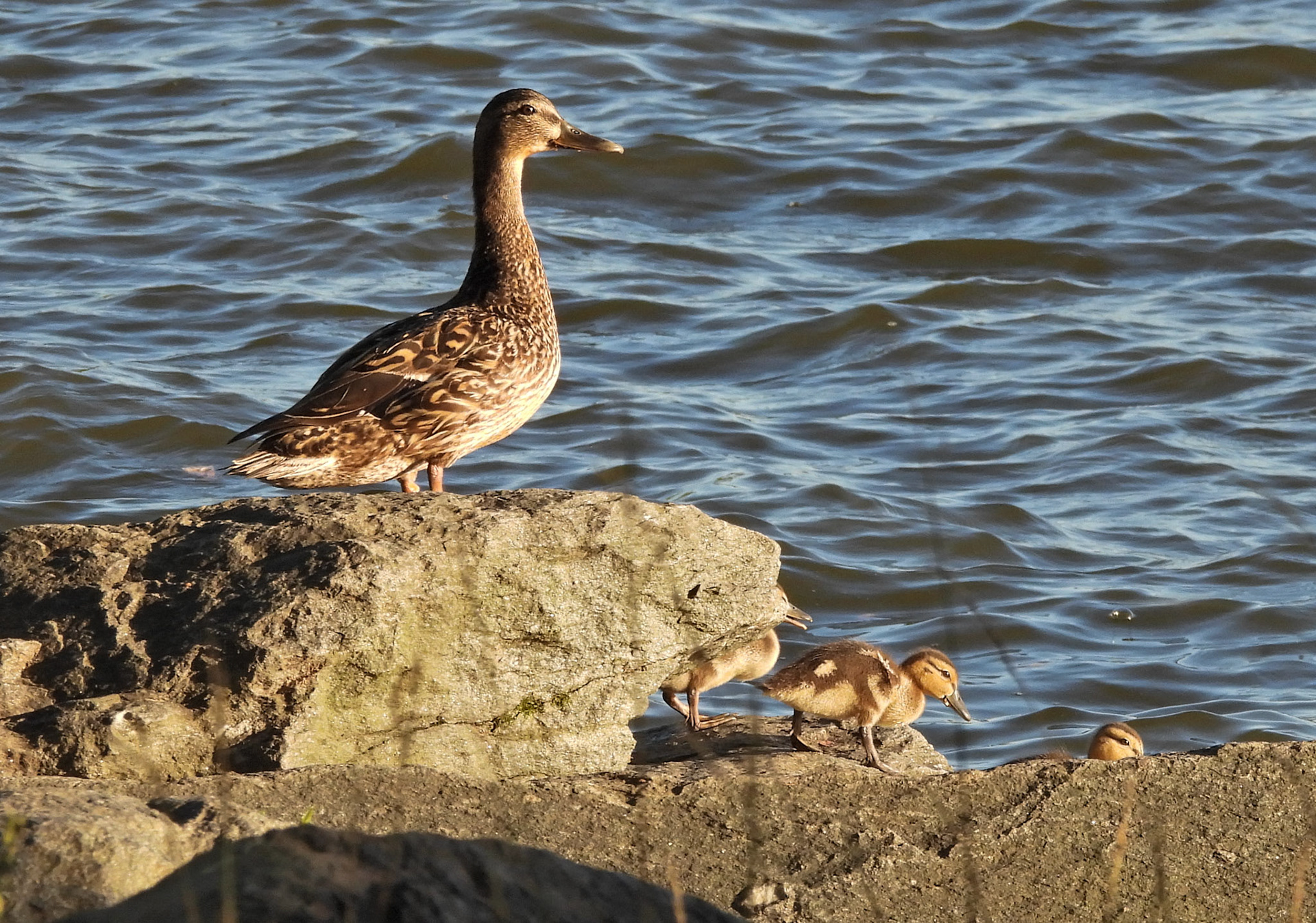
A mother Mallard takes her ducklings for a swim in the Potomac.
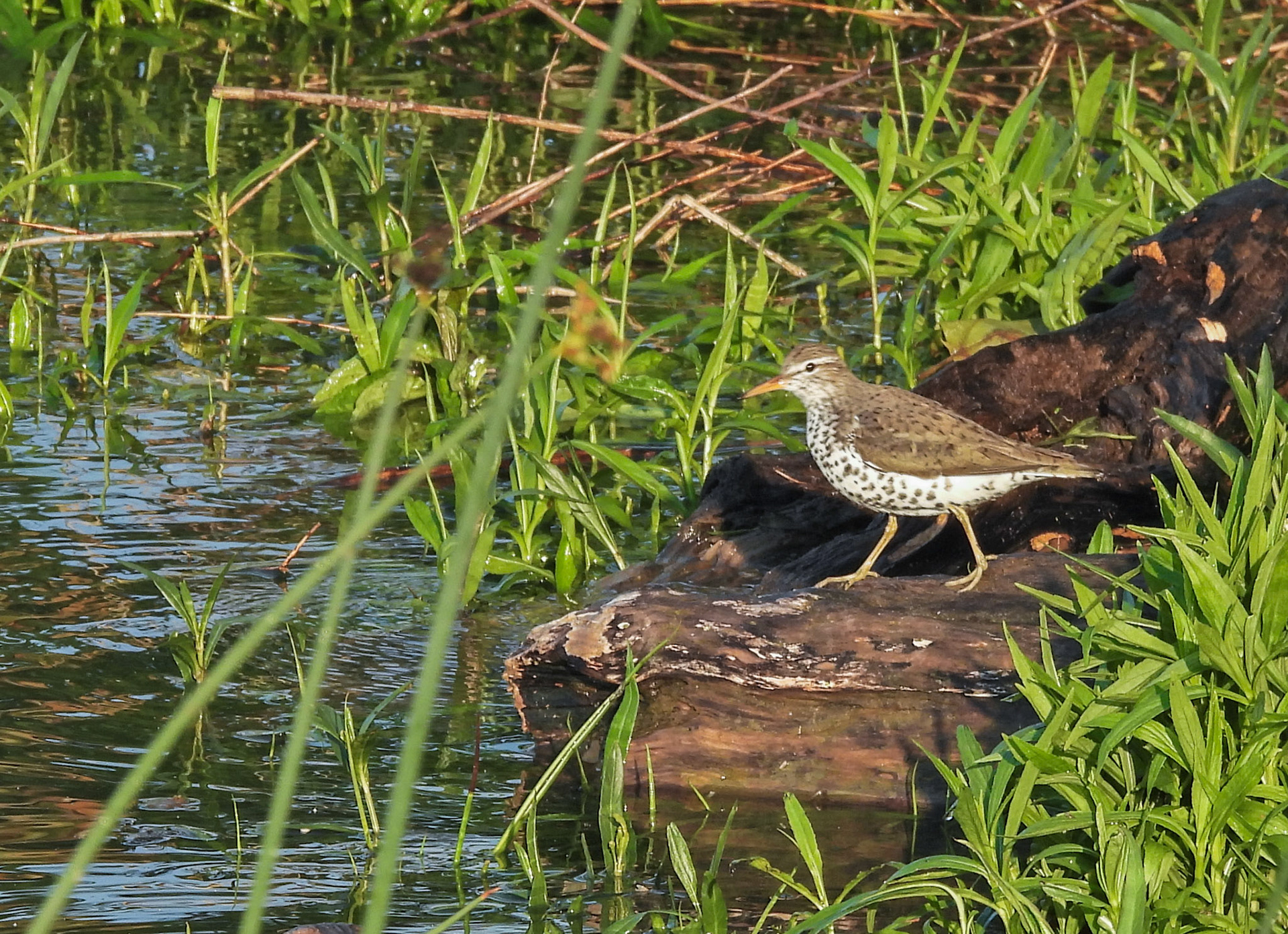
A Spotted Sandpiper in its spotted breeding plumage. These wading birds eat mostly invertebrates, but also crustaceans and fish.
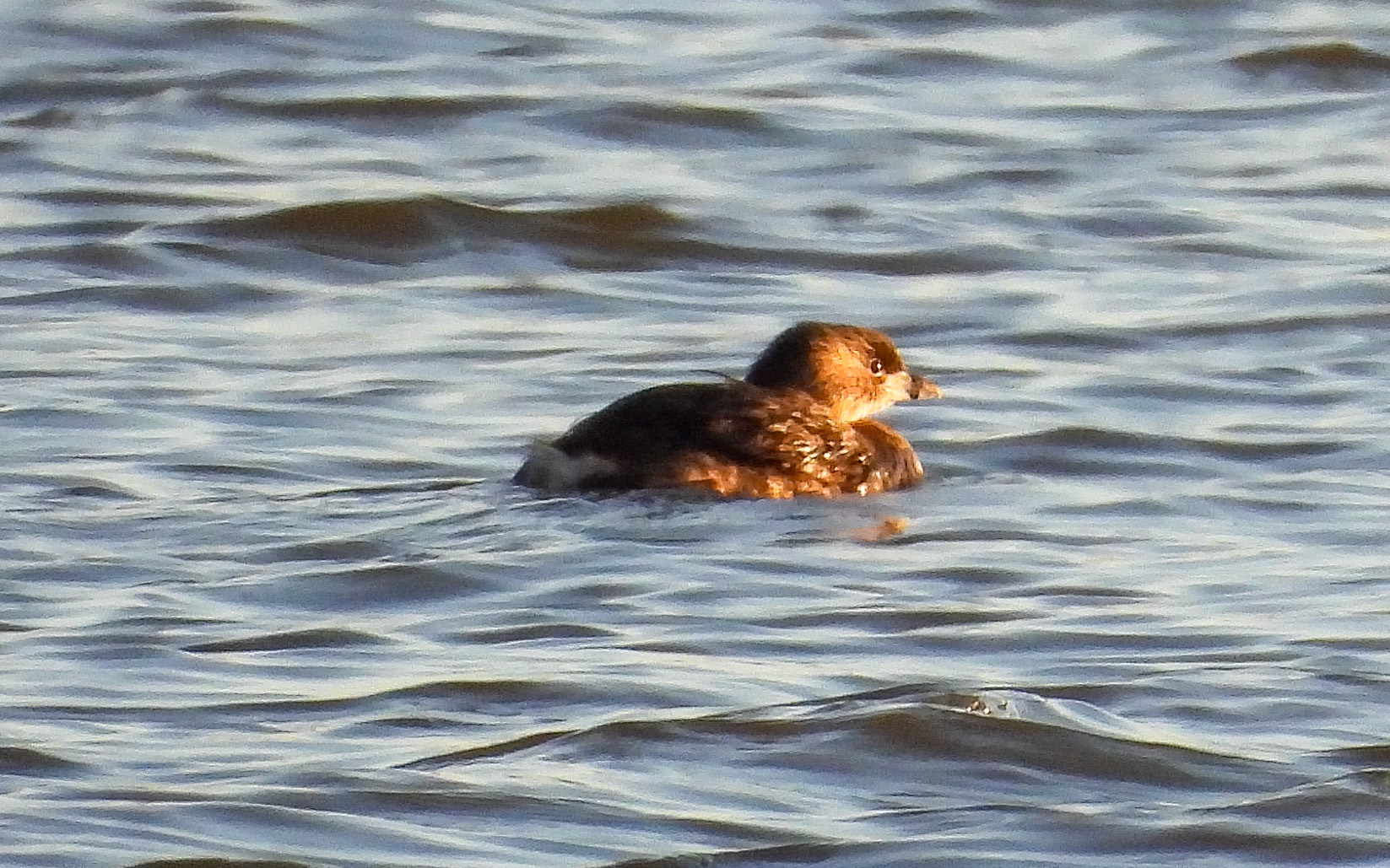
Pied-billed Grebe - this master diver prefers the calm waters of lakes, estuaries, and marshes.
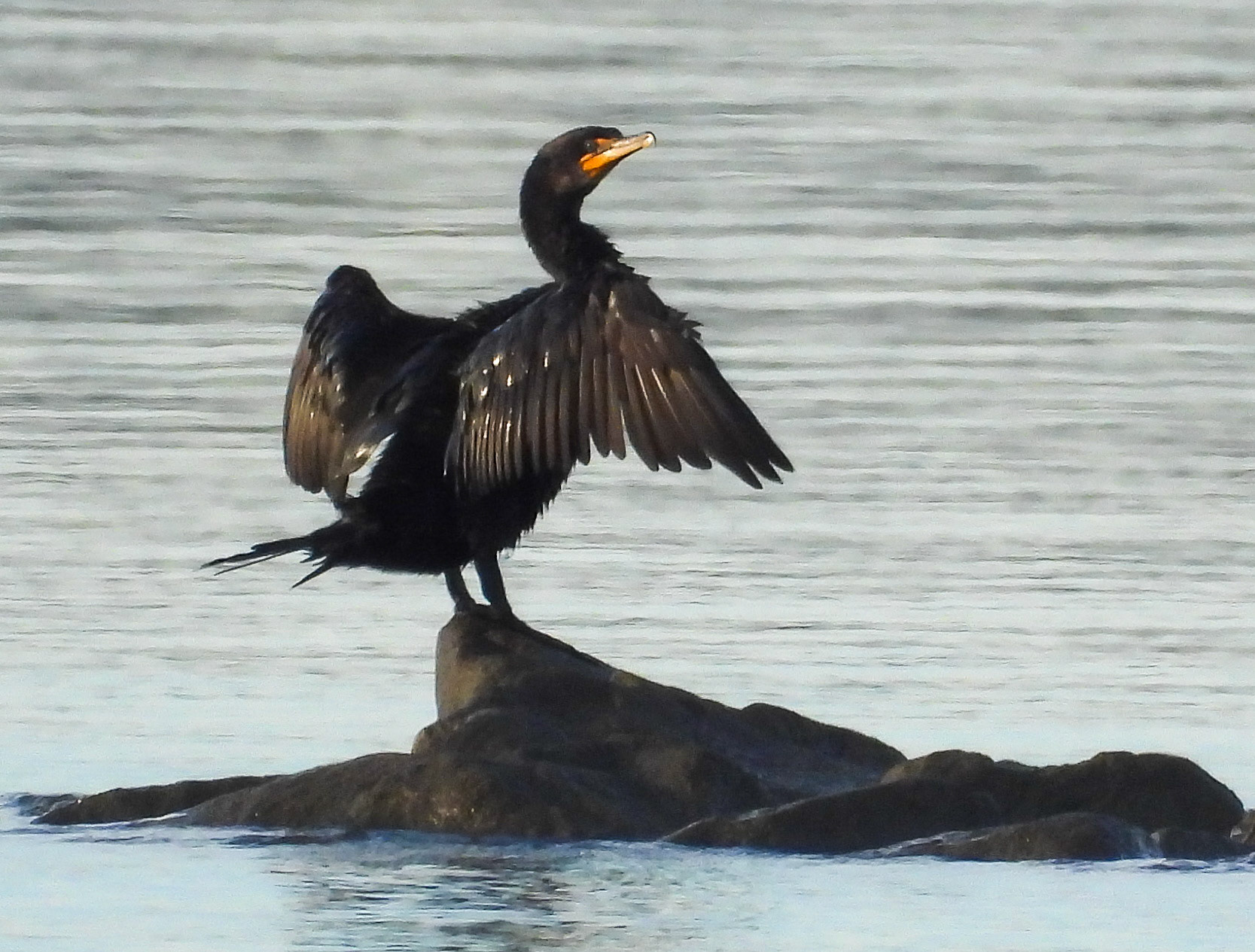
Double-Crested Cormorant returns from its northern breeding grounds in September.
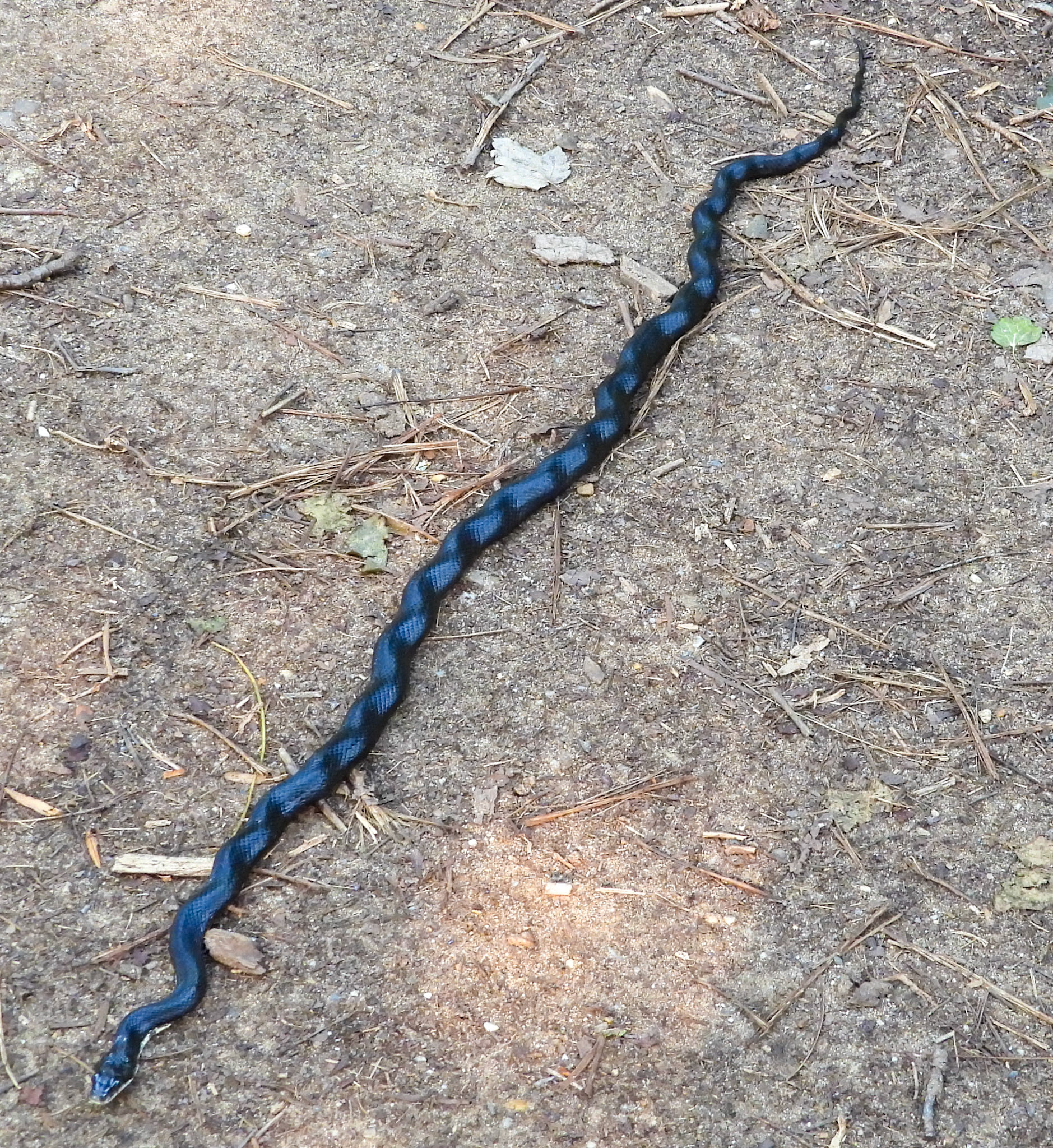
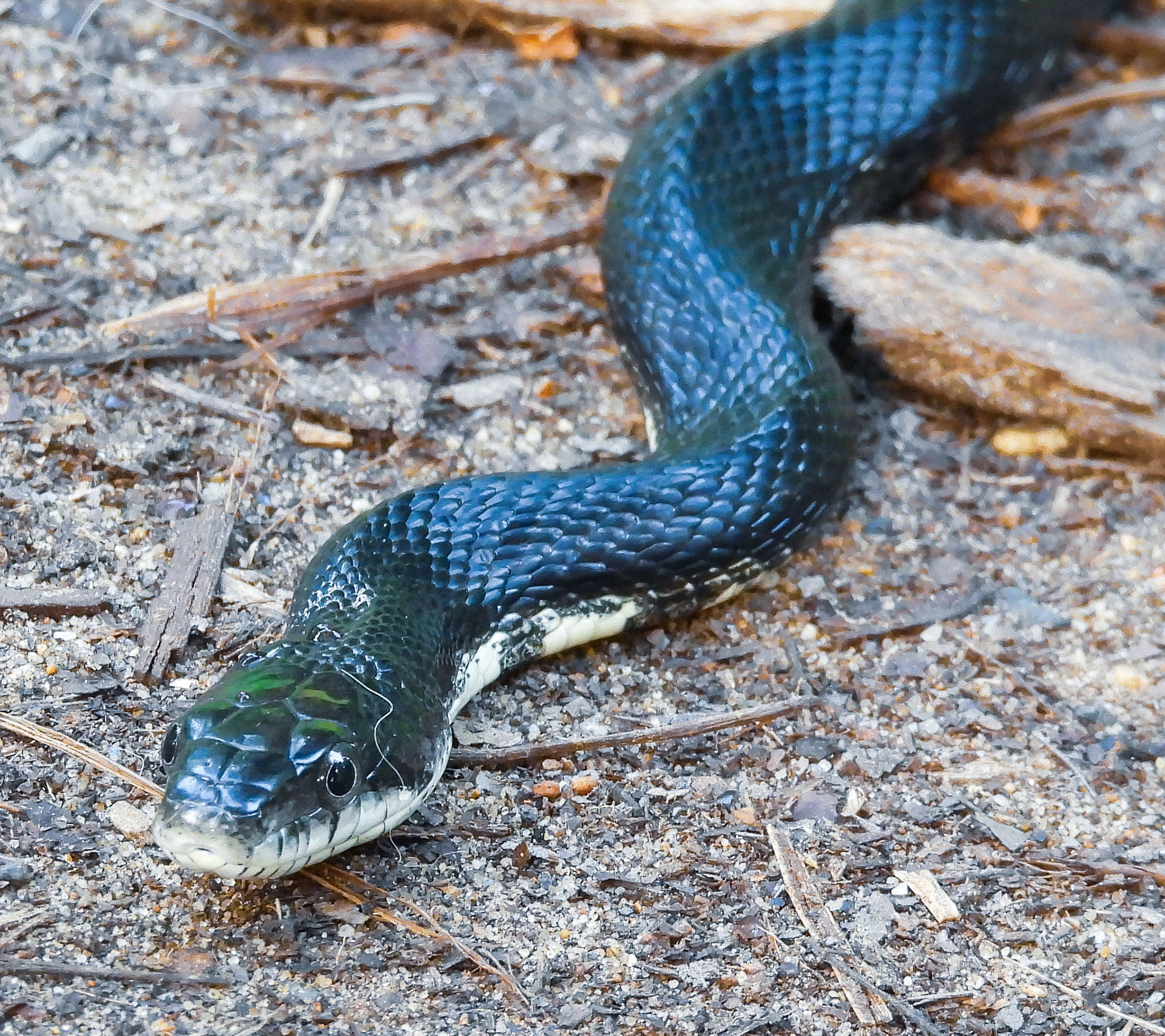
Eastern Rat Snake out in the open during it's peak breeding season in early June, possibly searching for a mate.
Eastern Rat Snake
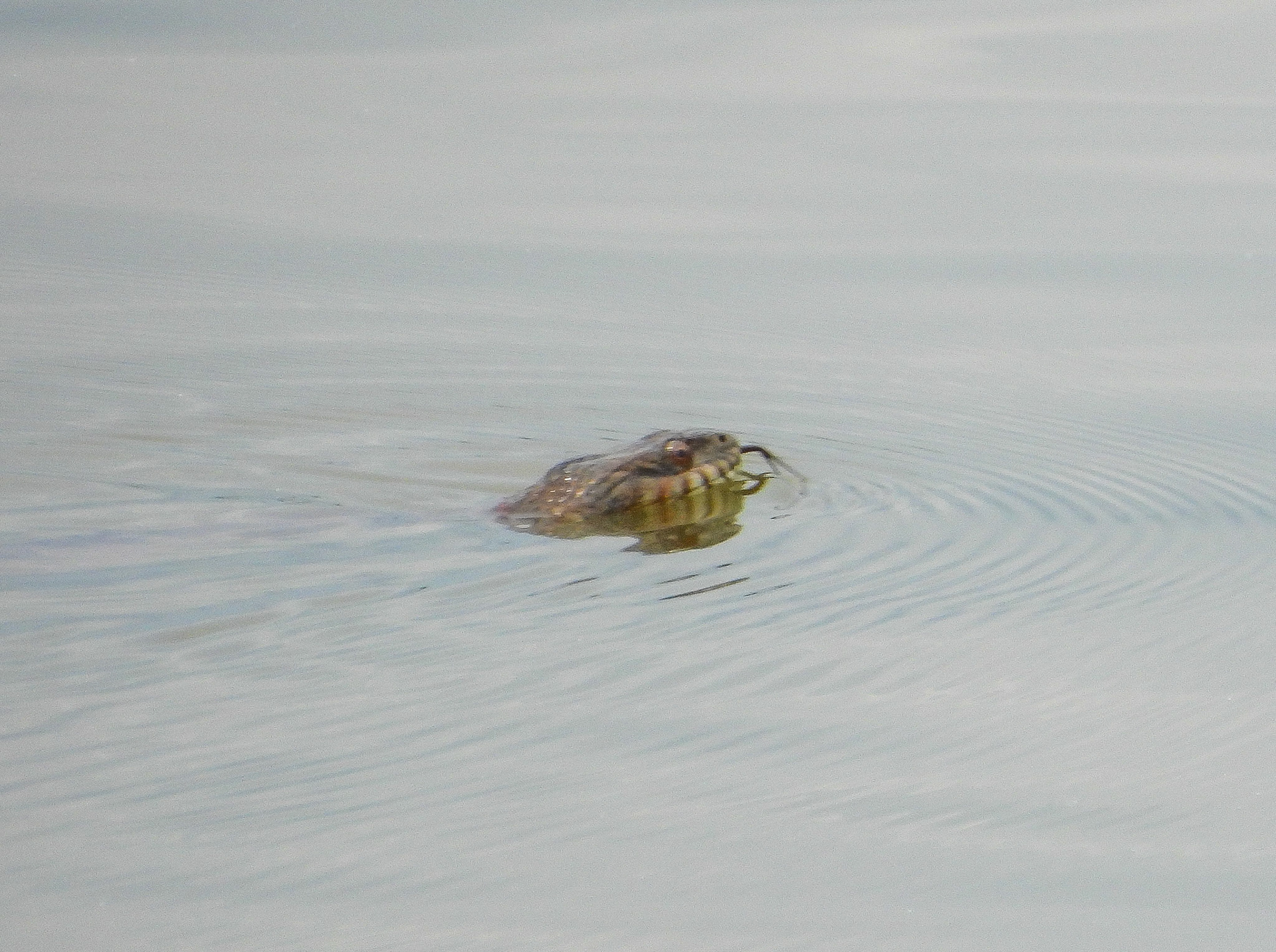
Northern Water Snake