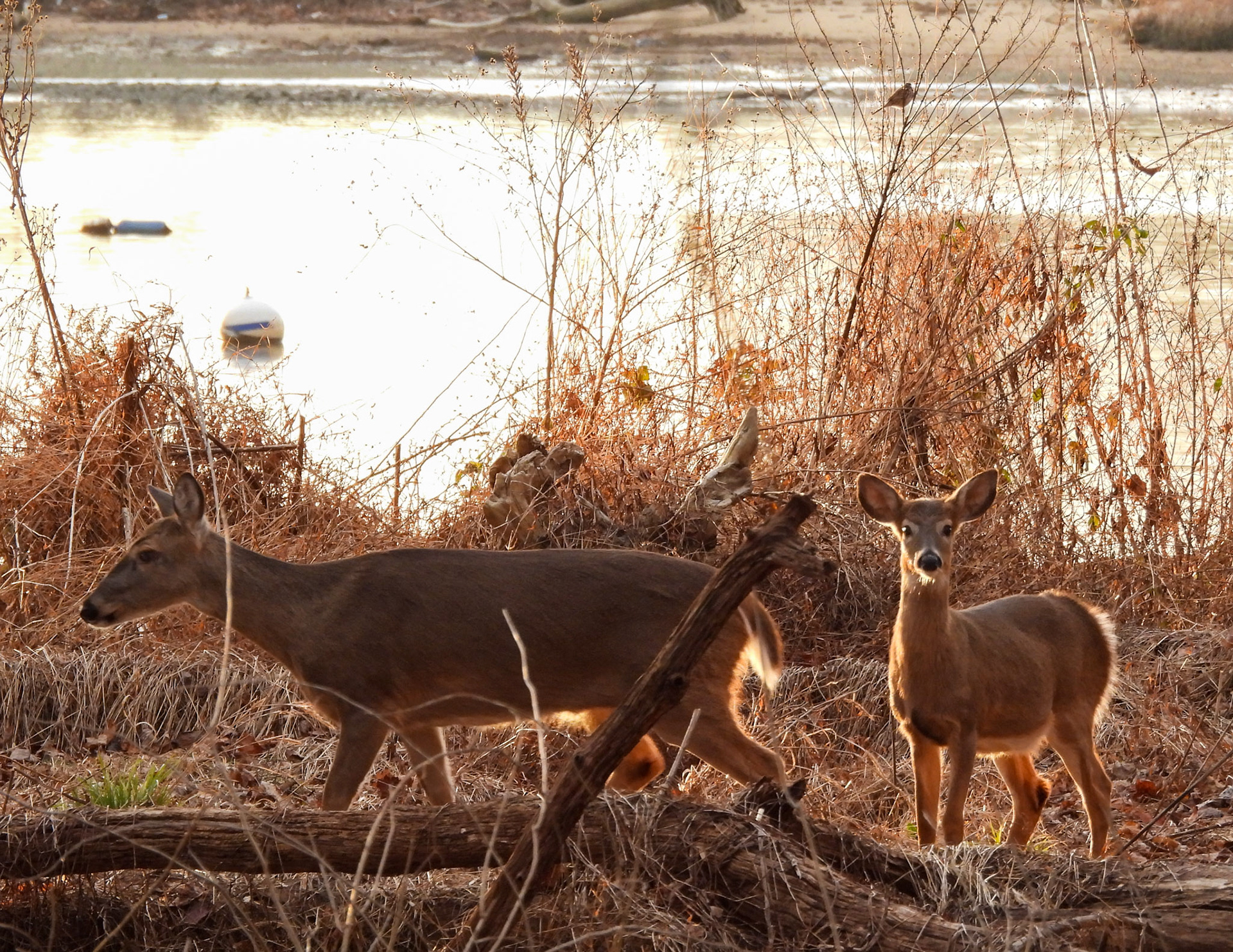
Adult and juvenile White-Tailed Deer along the river's edge.
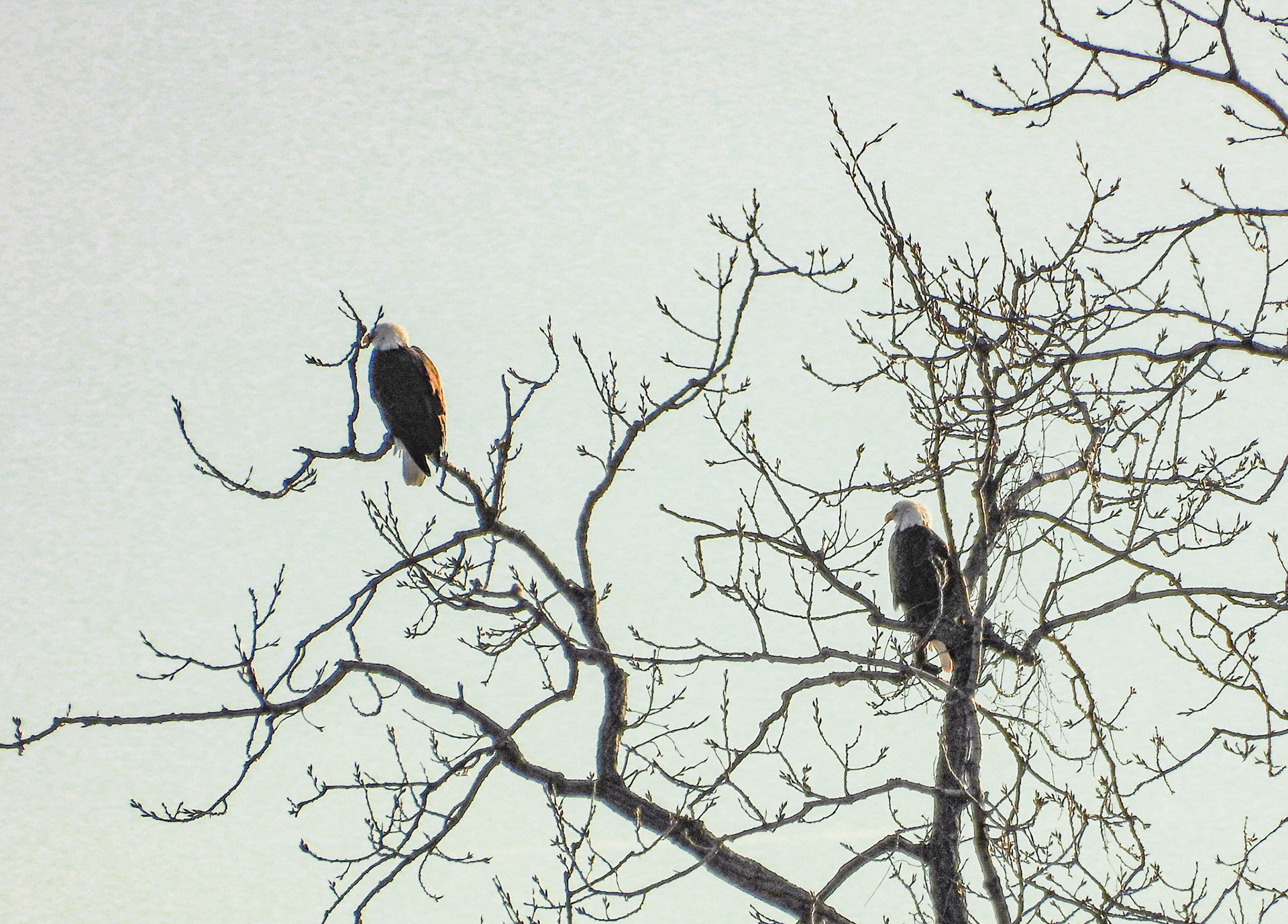
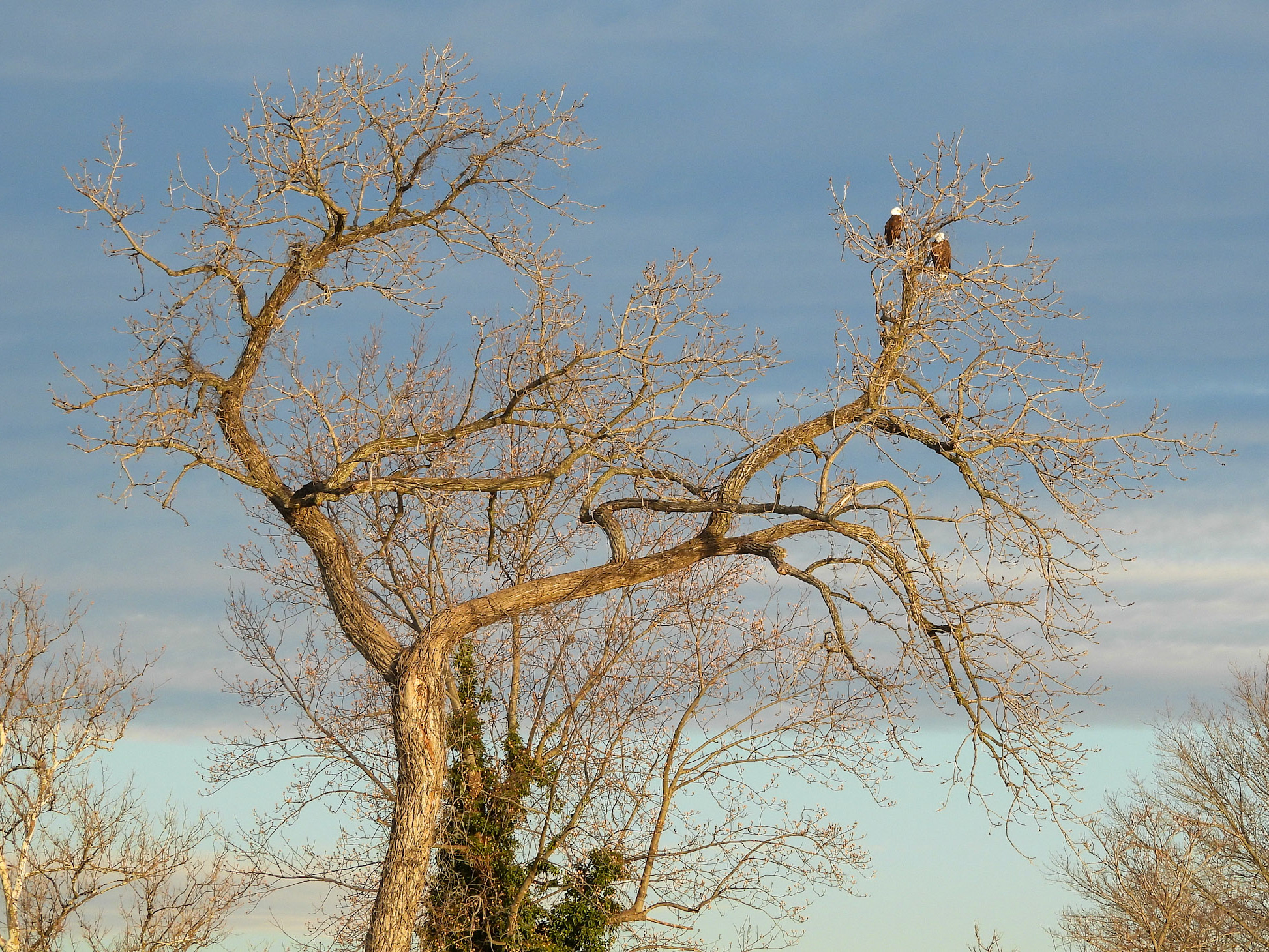
A Bald Eagle pair surveys its nesting territory in mid-January.
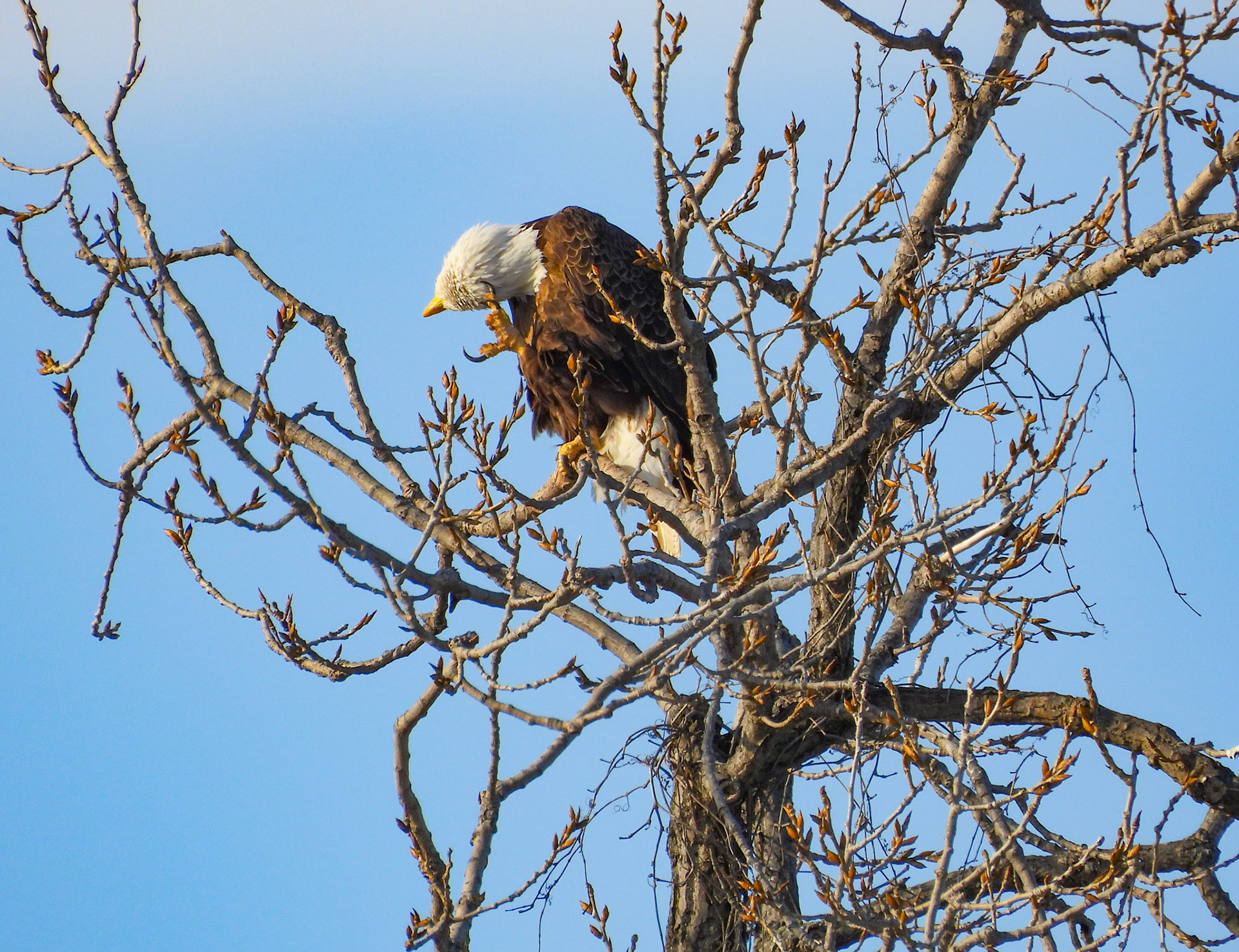
Bald Eagle has an itch
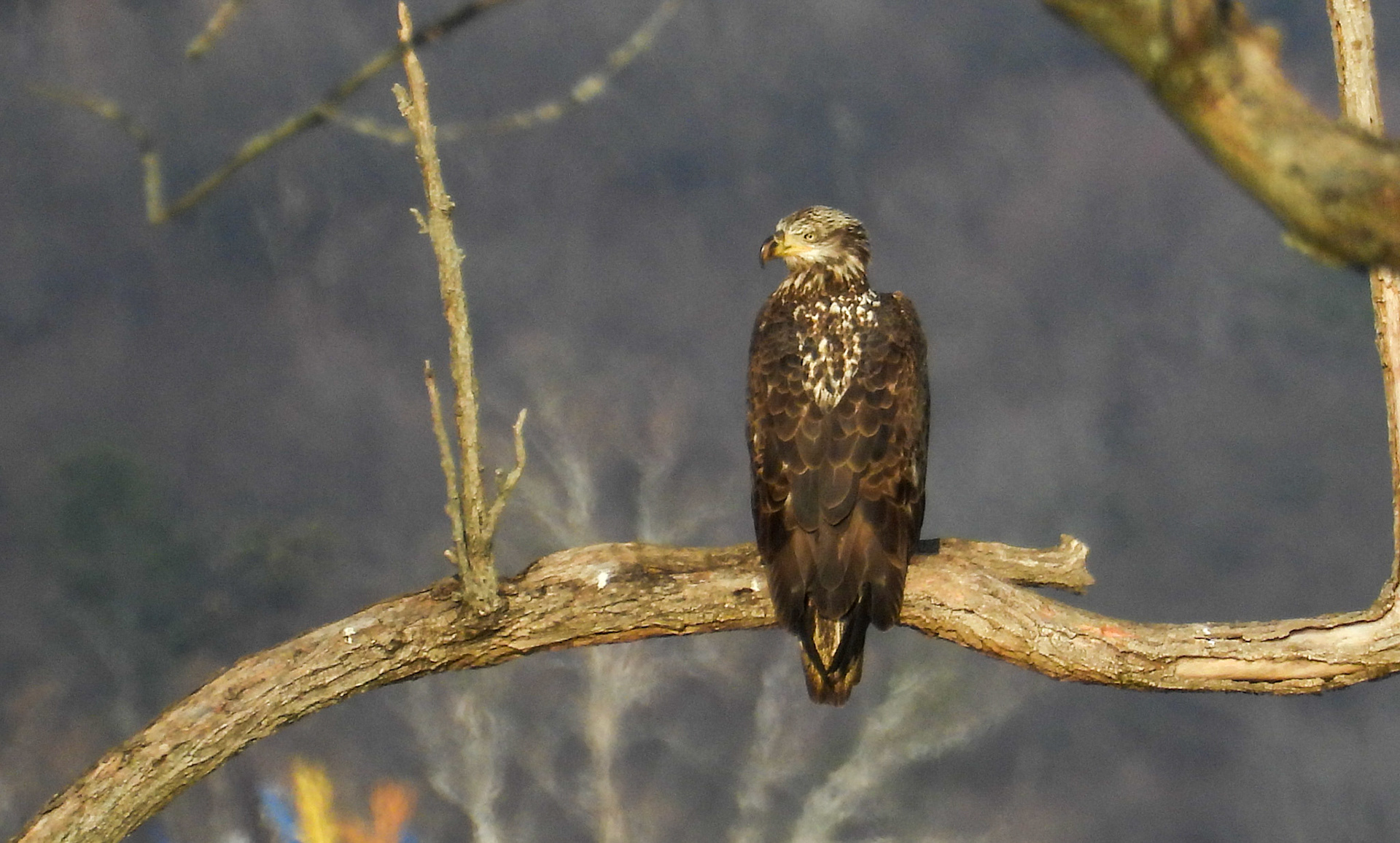
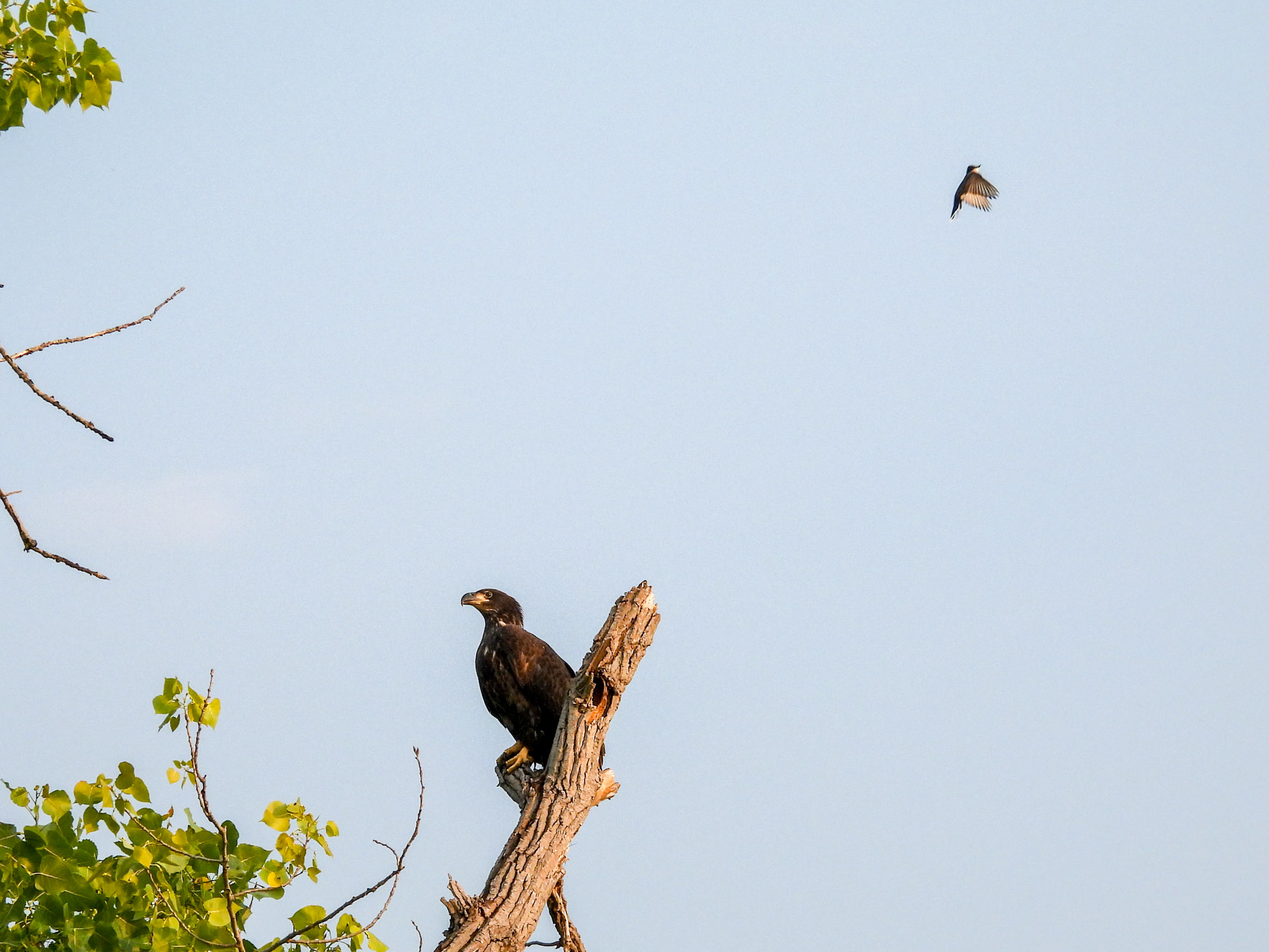
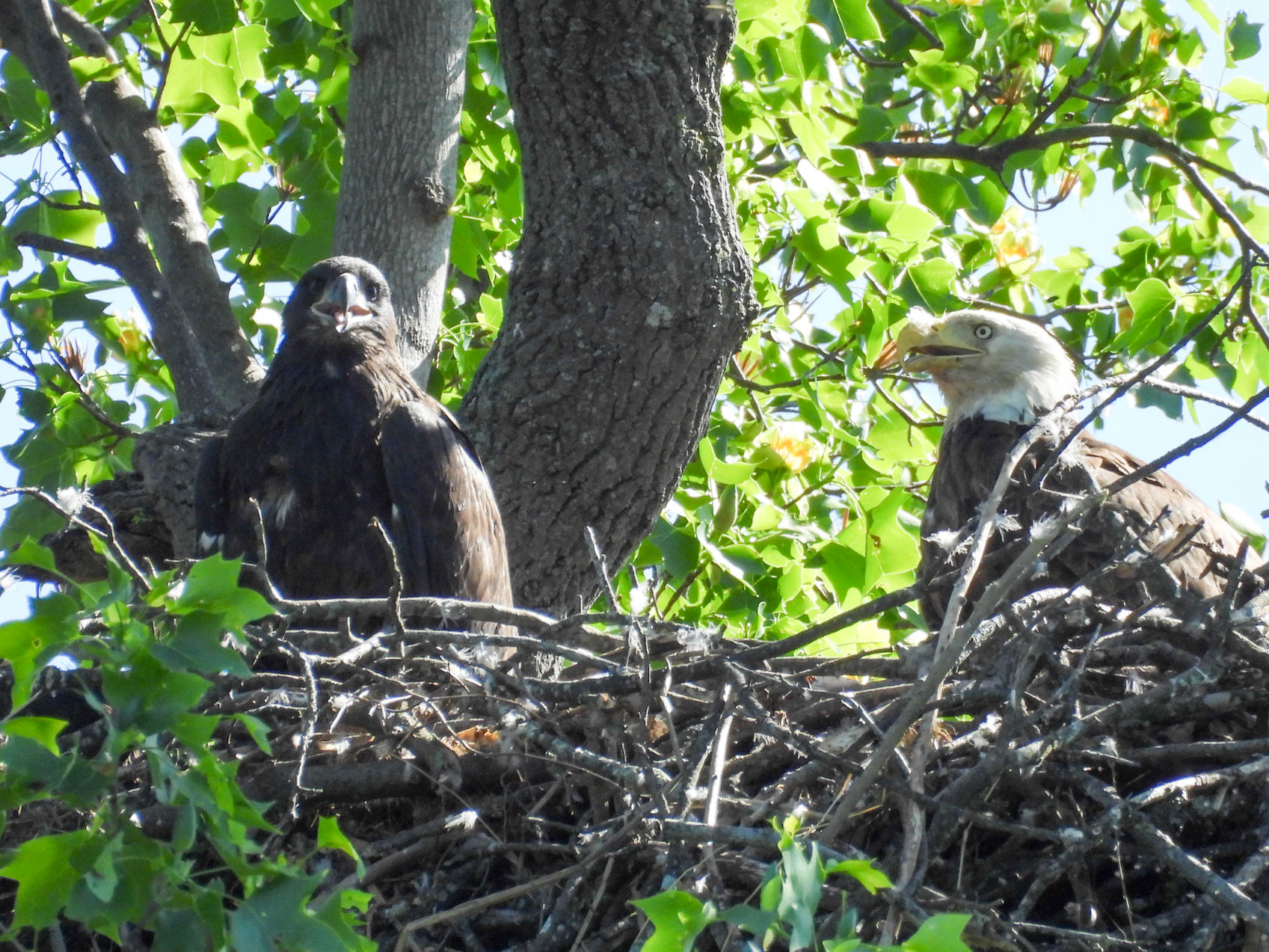
Young Bald Eagle developing adult plumage
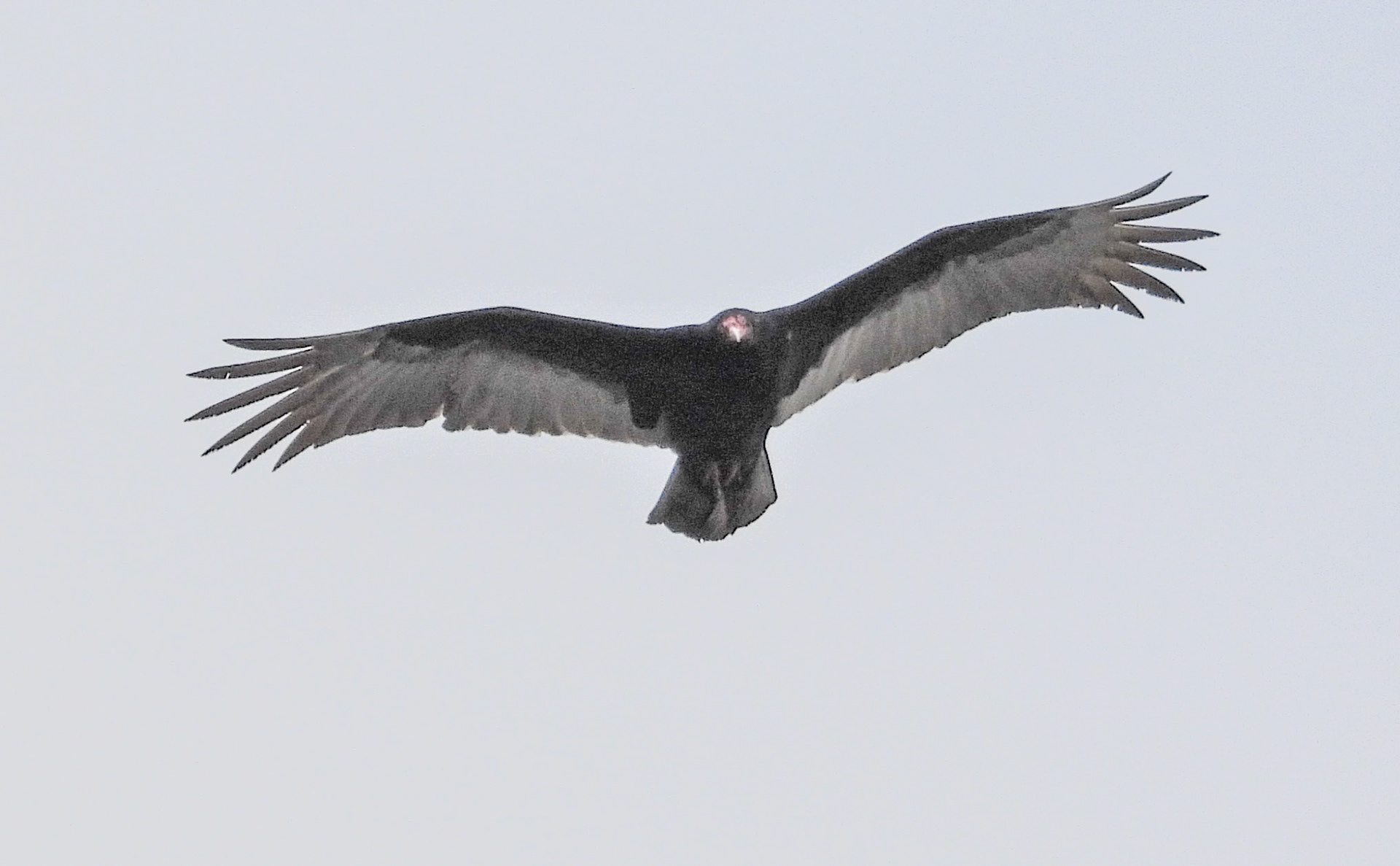
The lack of vegetation in winter makes it easier for Turkey Vultures to spot animal carcasses and human leavings on the ground.
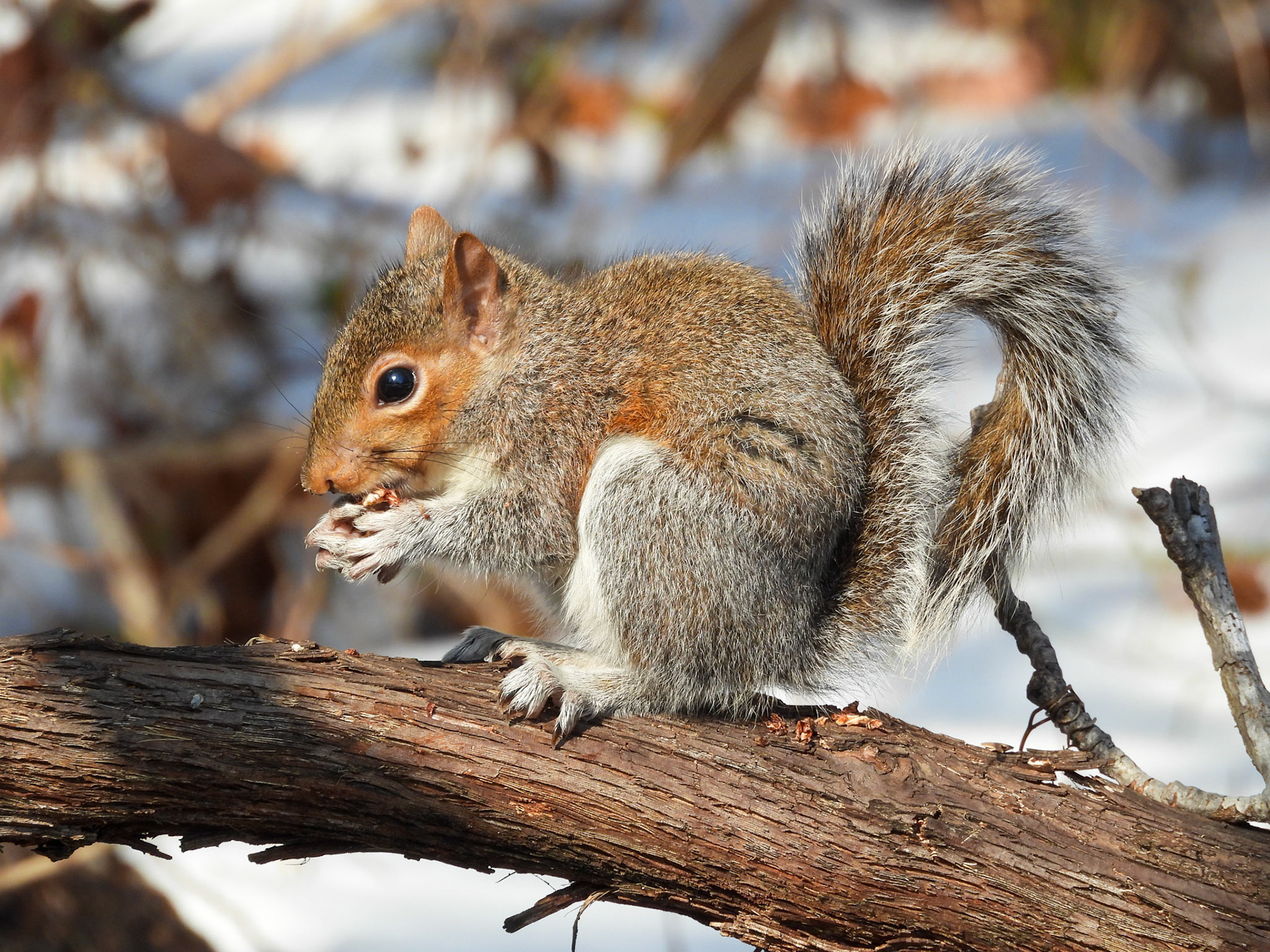
Eastern Gray Squirrel
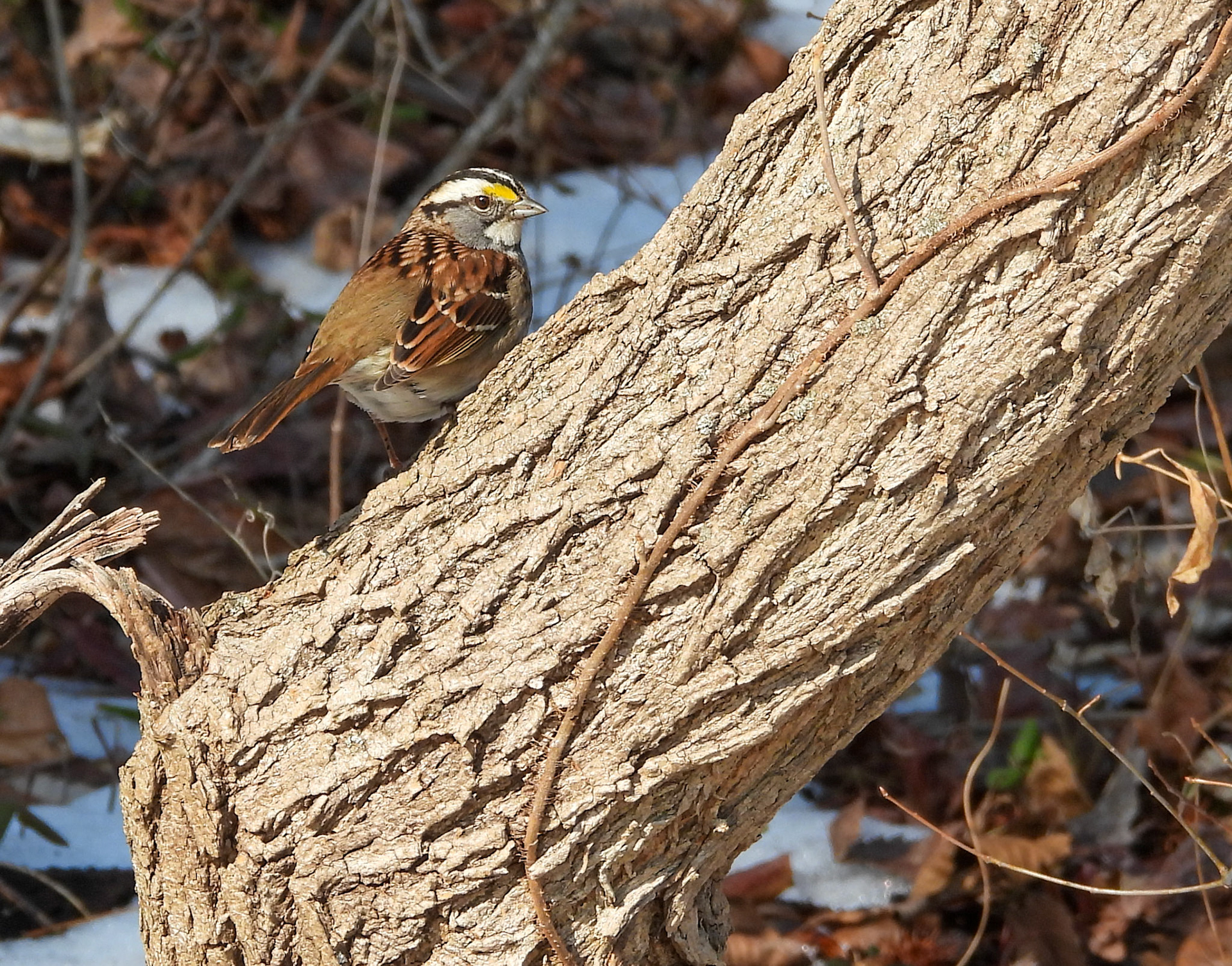
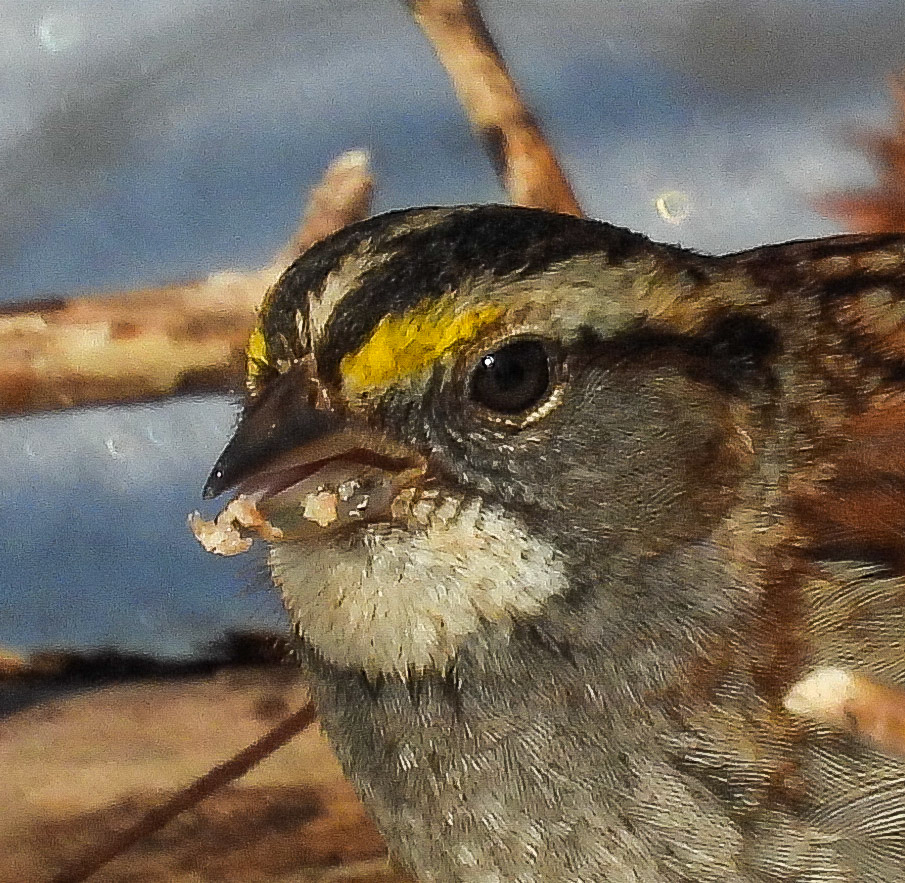
White-Throated Sparrows typically forage on or near the ground and frequent backyard feeders in the winter.
White-Throated Sparrow
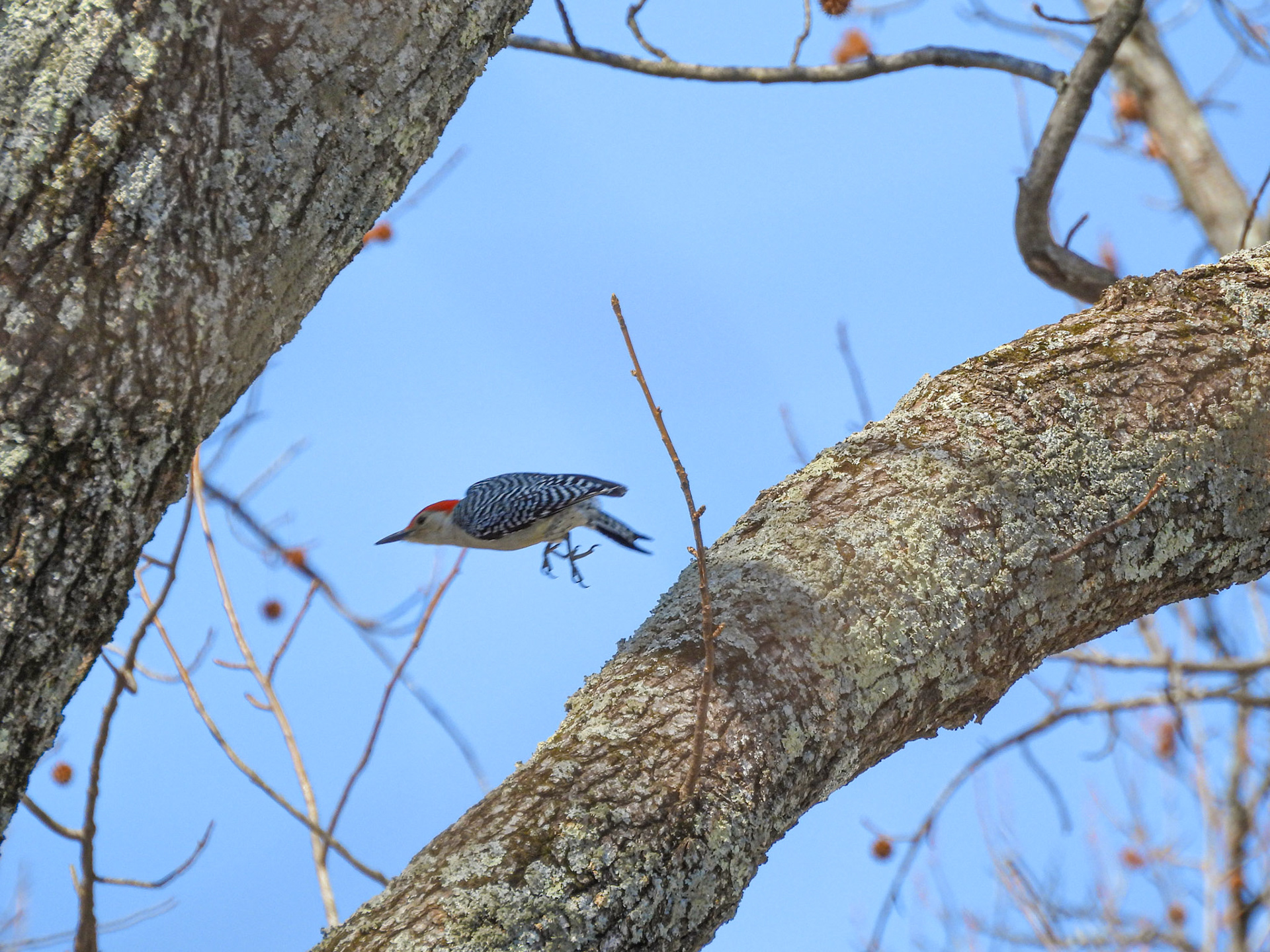
A Red-Bellied Woodpecker takes flight.
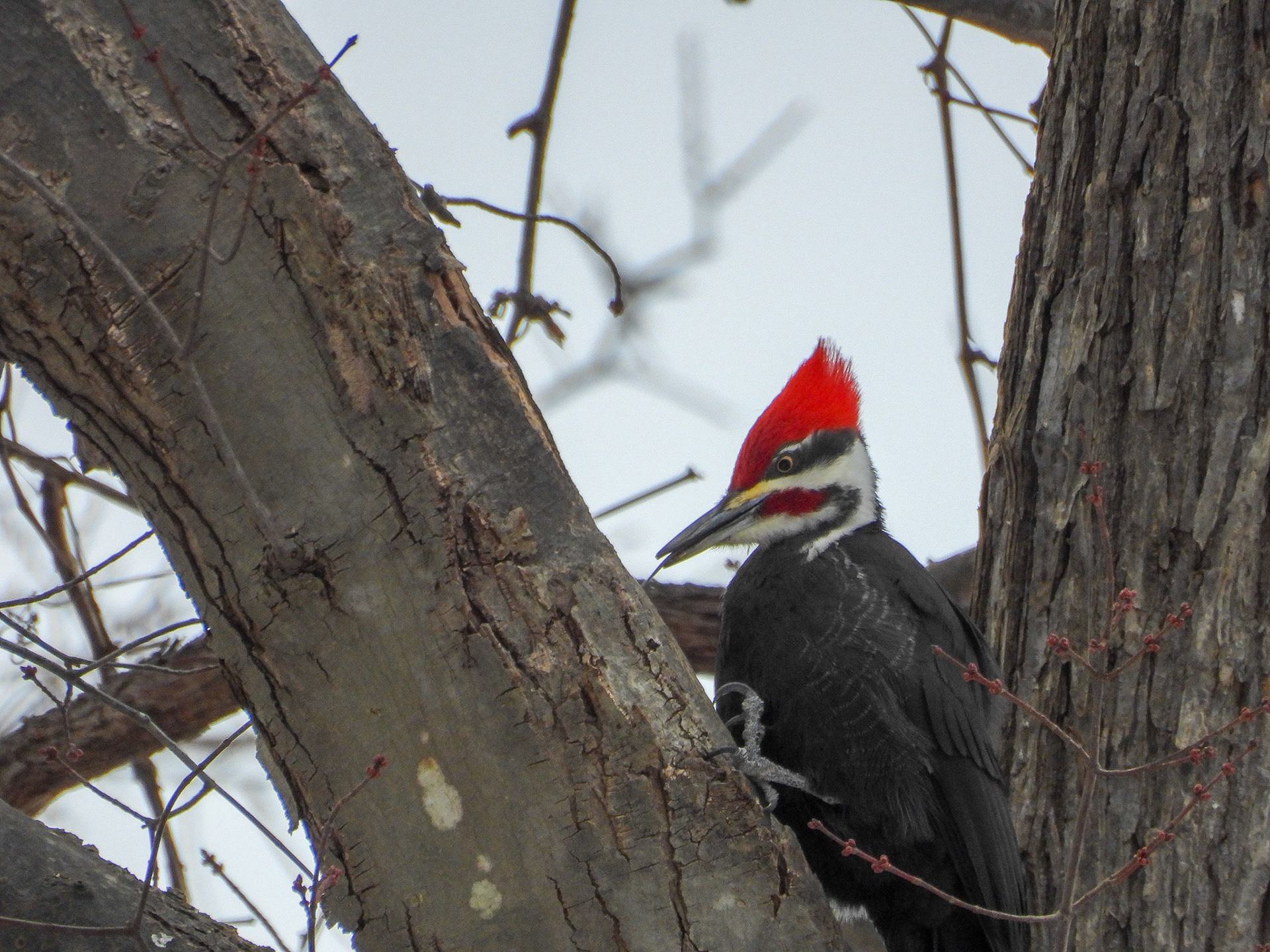
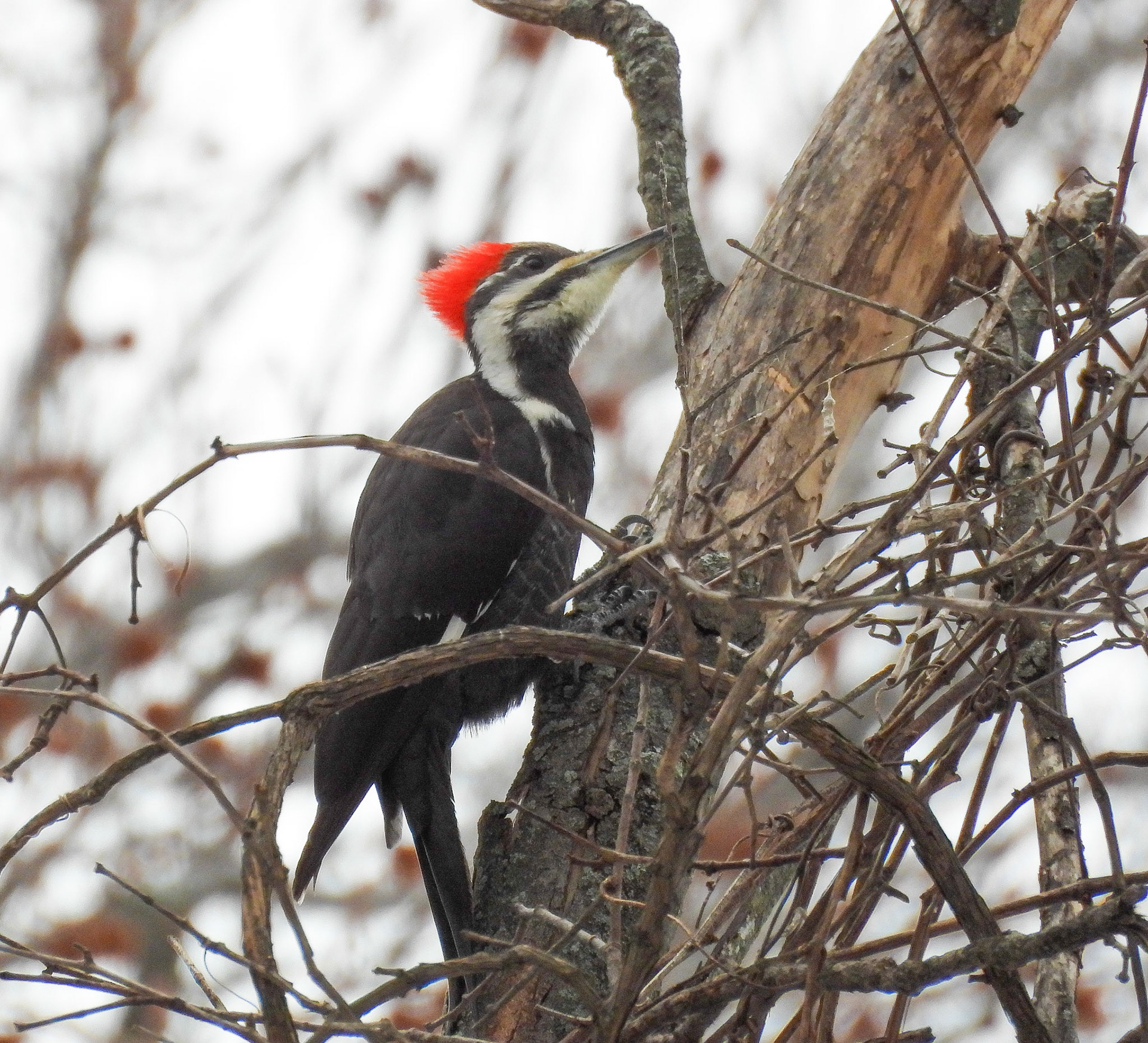
Pileated Woodpeckers are the largest woodpeckers in North America. Despite their large size and bright coloring, they are often heard before being seen due to their loud staccato calls and forceful hammering into trees, looking for insects.
Pileated Woodpeckers stay in their breeding grounds year-round.
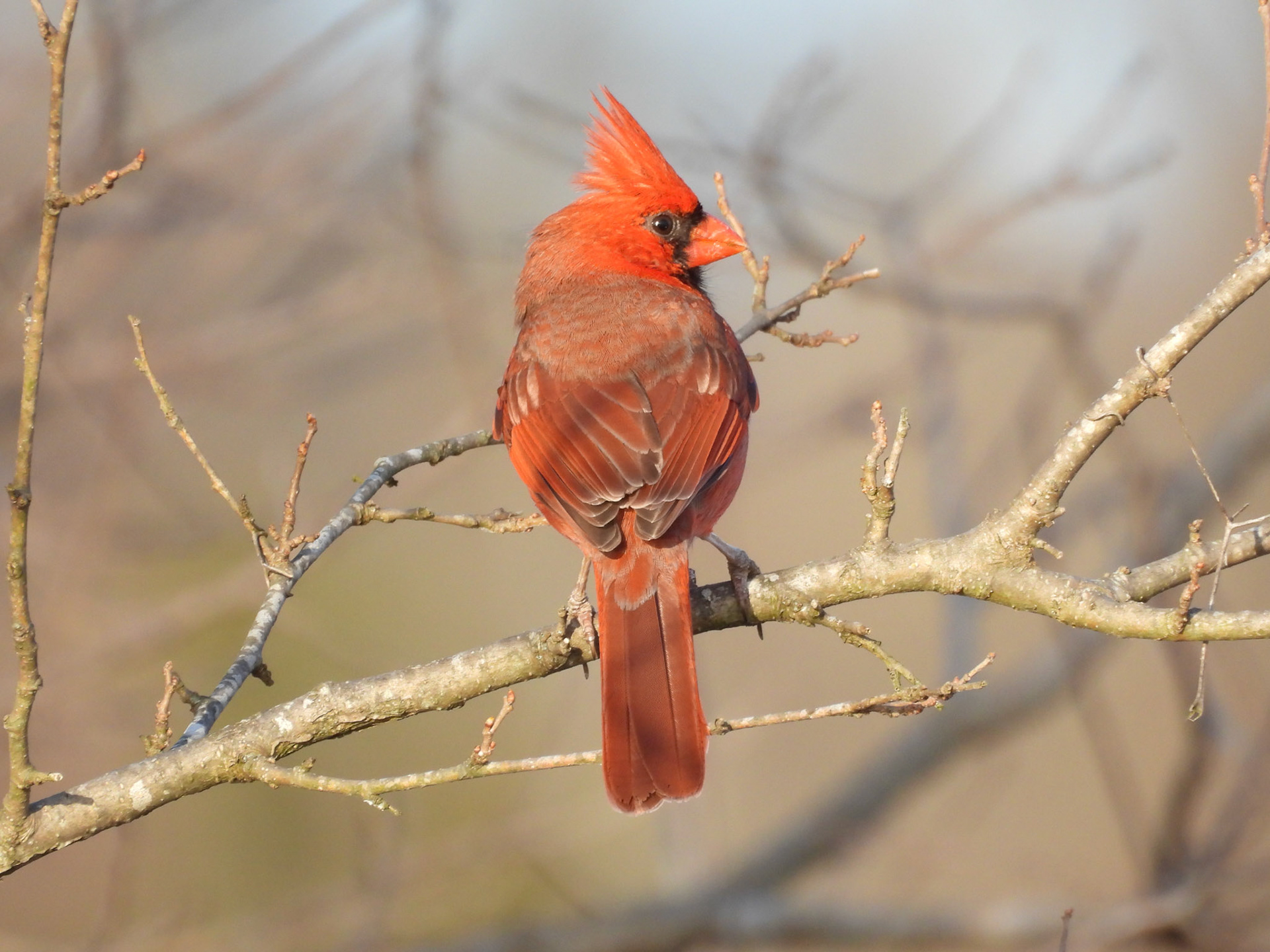
Cardinal
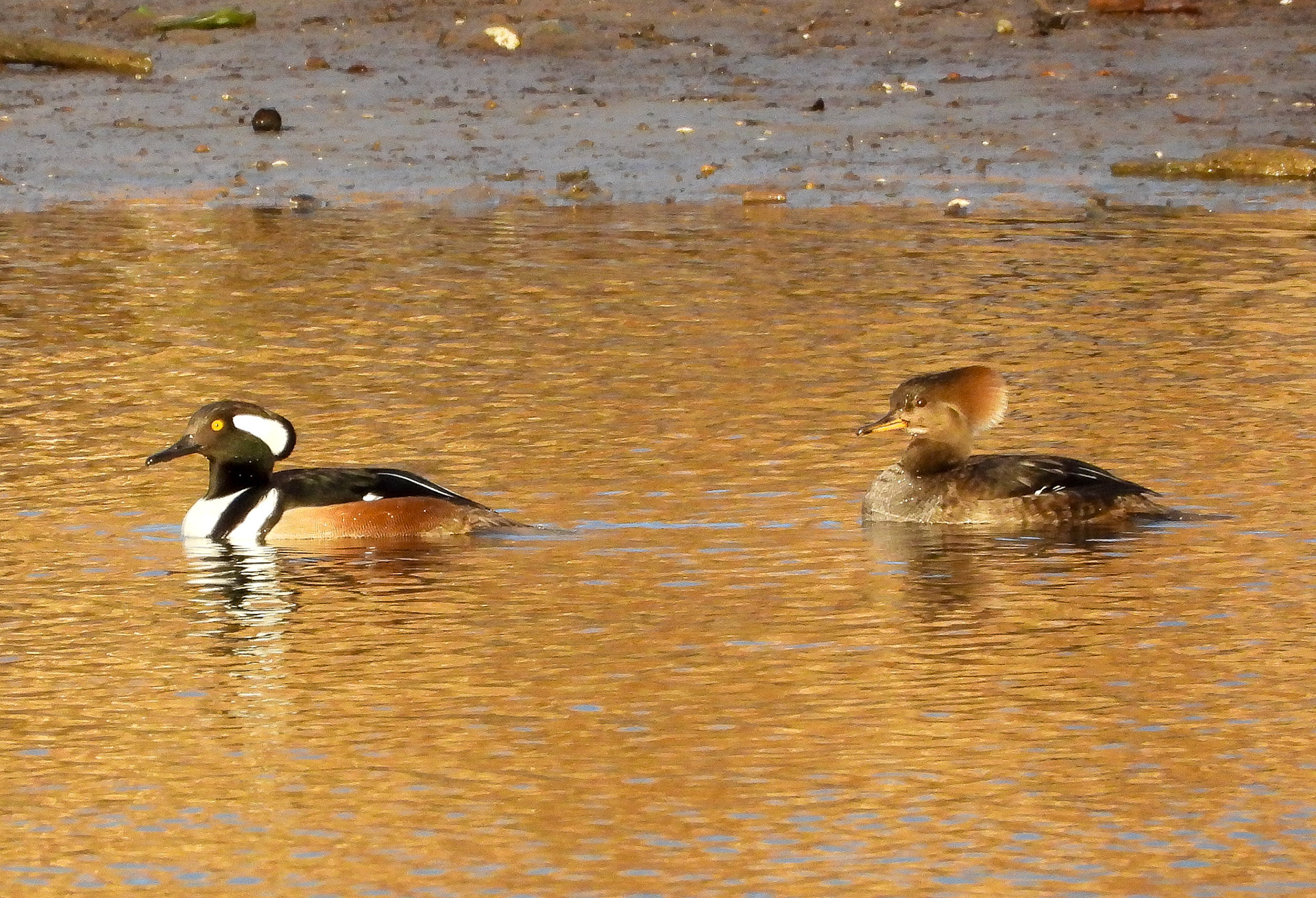
Hooded Merganser pair are seasonal visitors to Dyke Marsh.
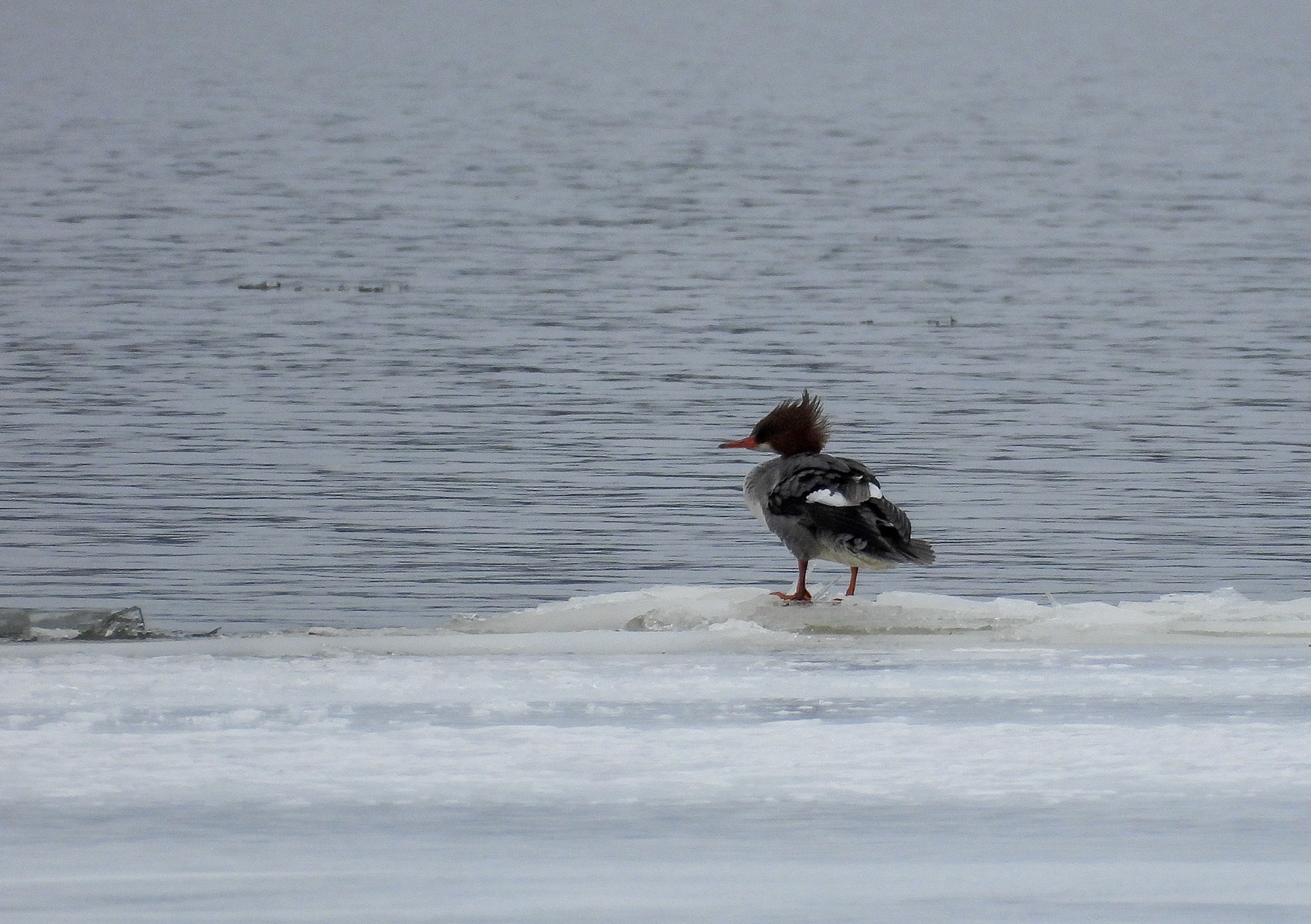
A Common Merganser scans the water, preparing to dive for prey.
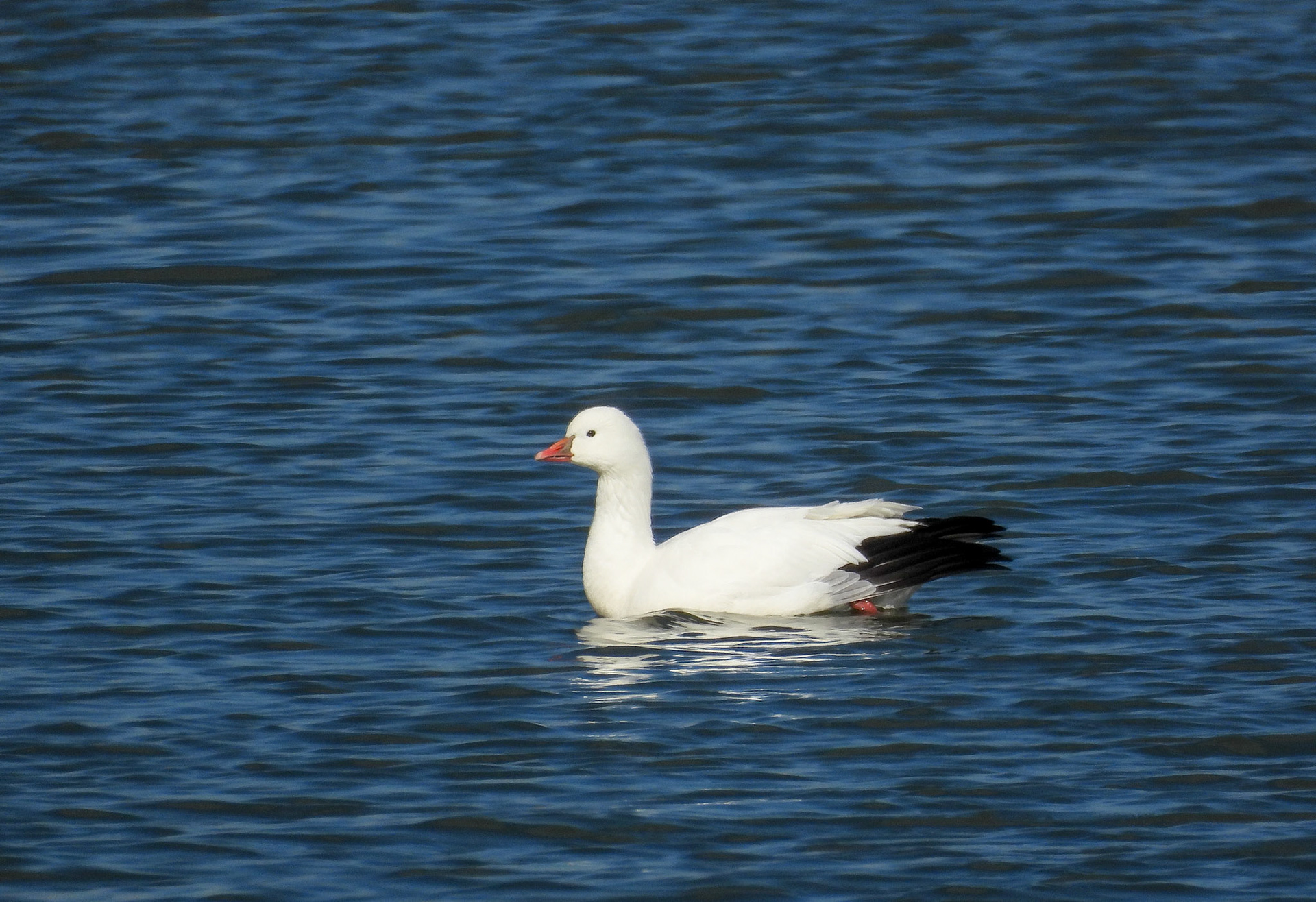
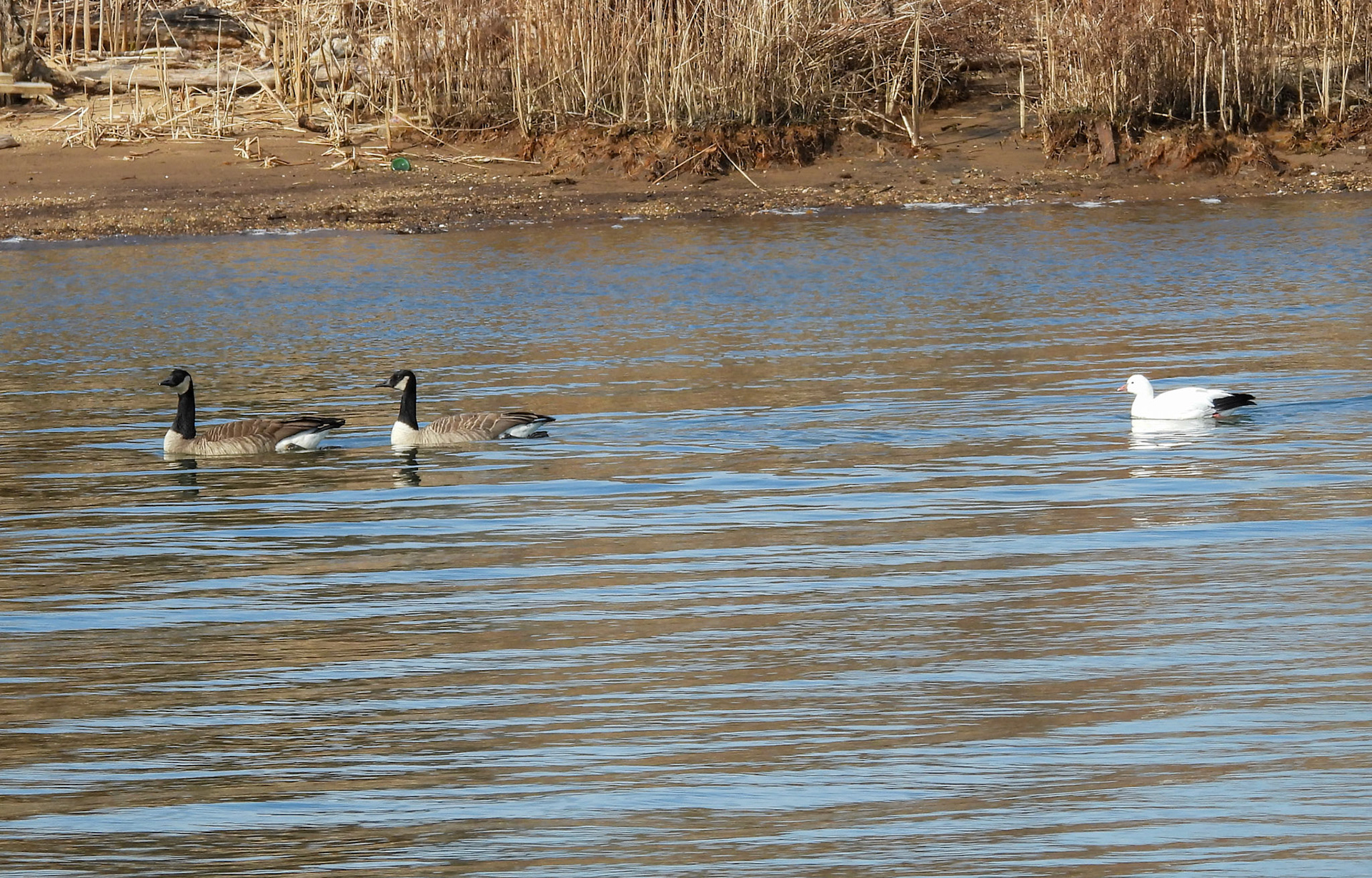
Ross's Goose
Ross's Goose following a Canada Geese pair. Ross’s geese frequently follow and mix with other, larger goose species, particularly Snow Geese and occasionally Canada Geese, during migration and throughout the winter. They are highly gregarious and often form large mixed-species flocks to find safety in numbers, sometimes appearing on the edges of massive Snow Geese flocks.
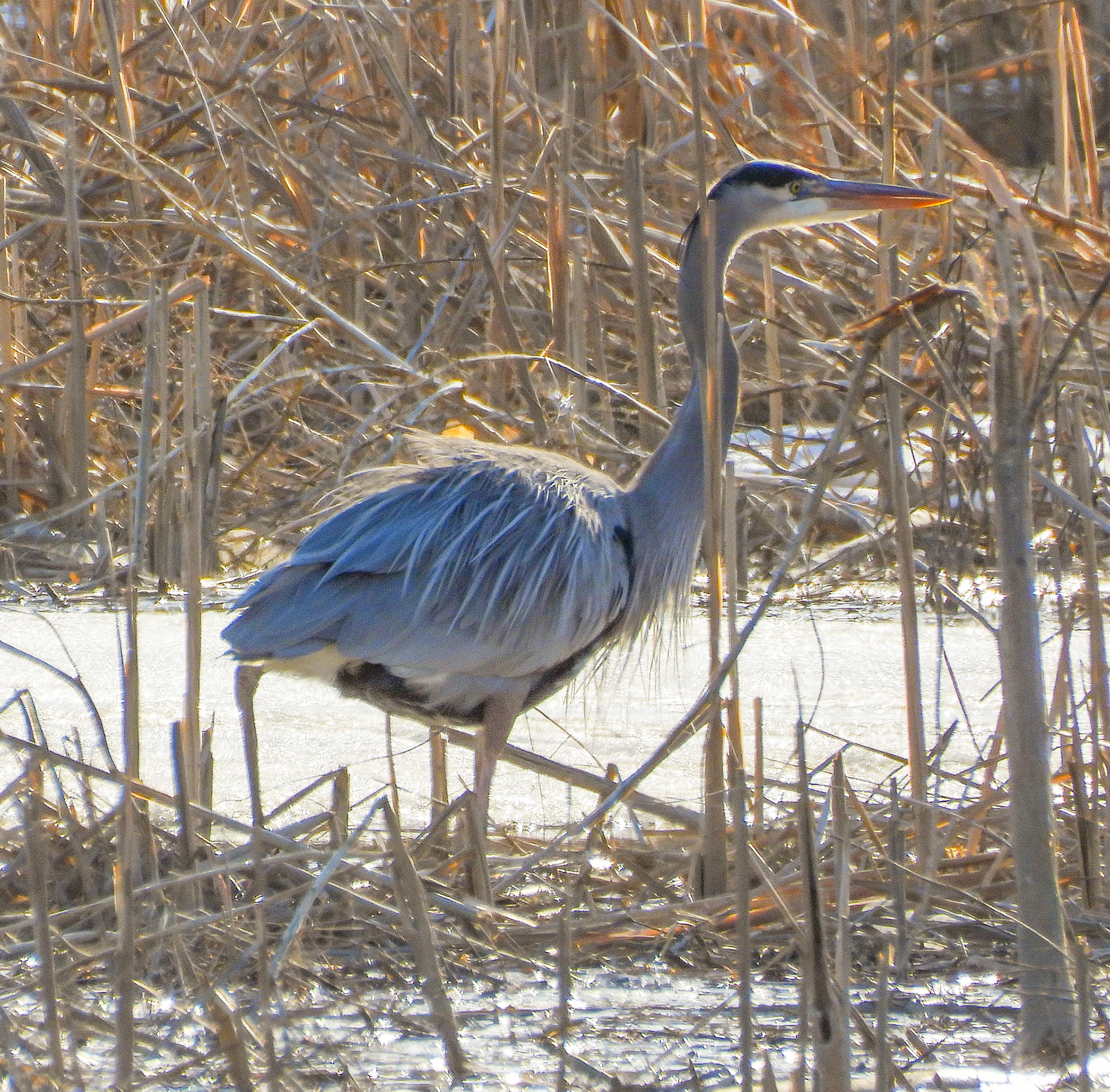
Great Blue Heron
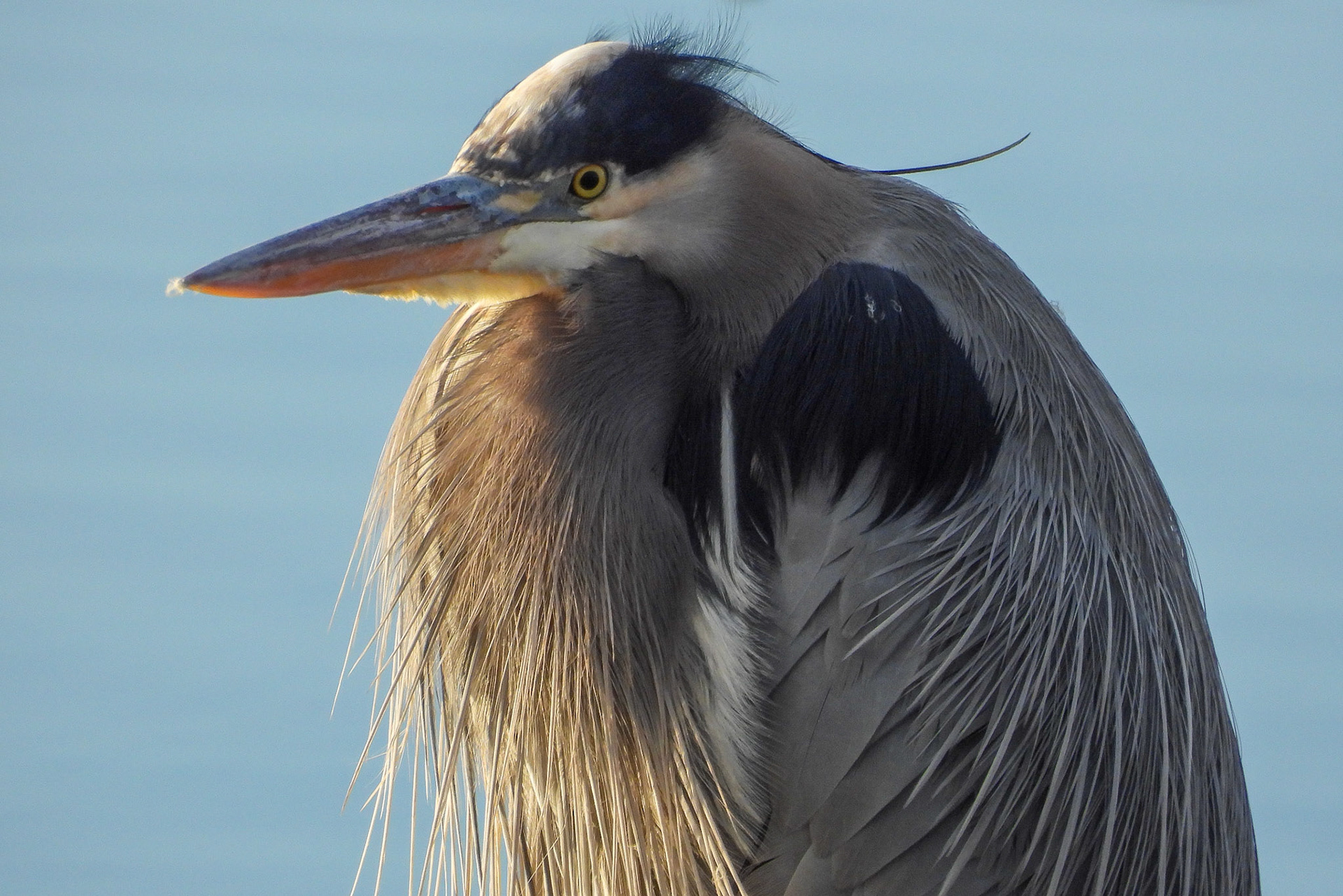
Great Blue Heron
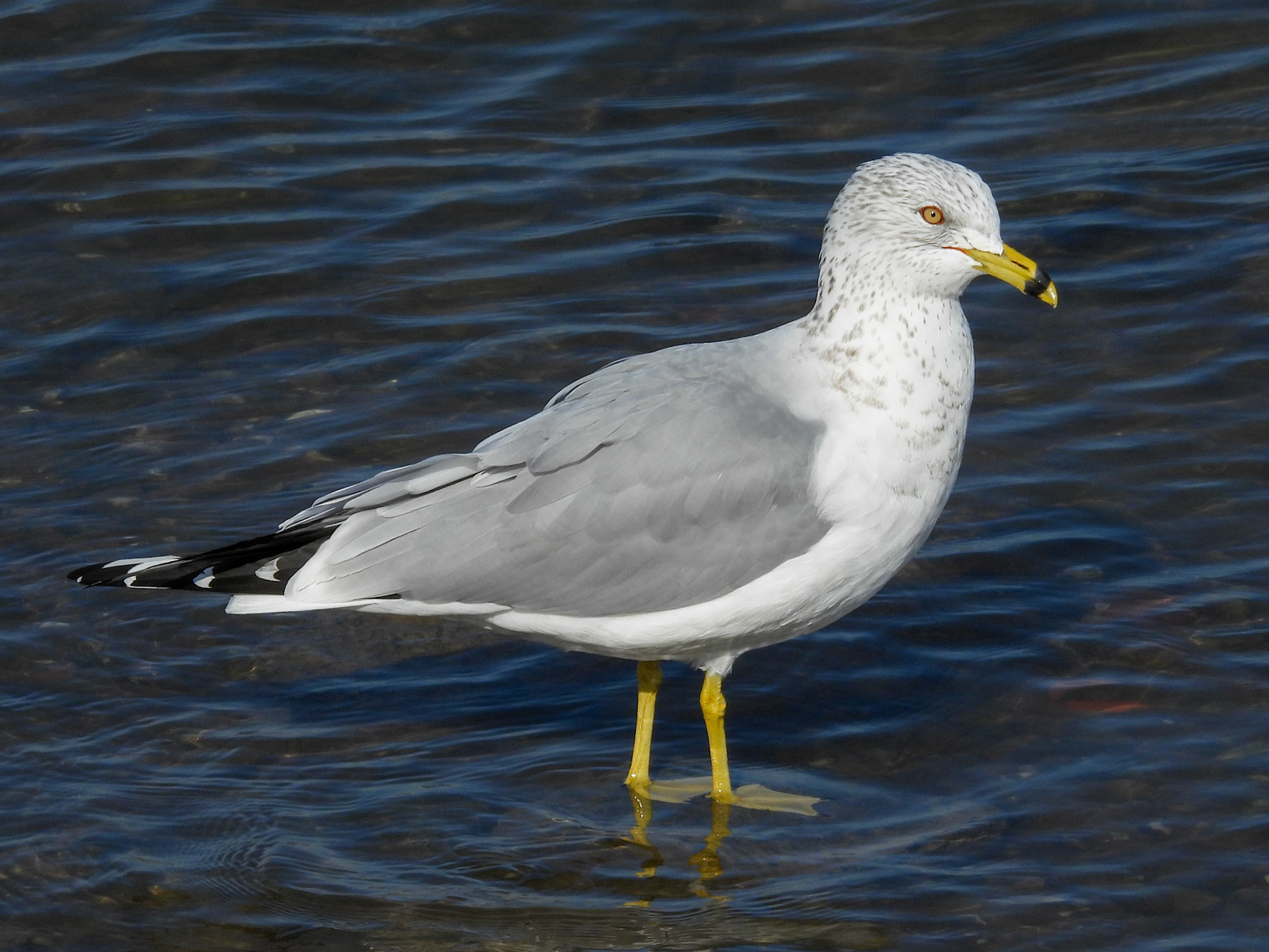
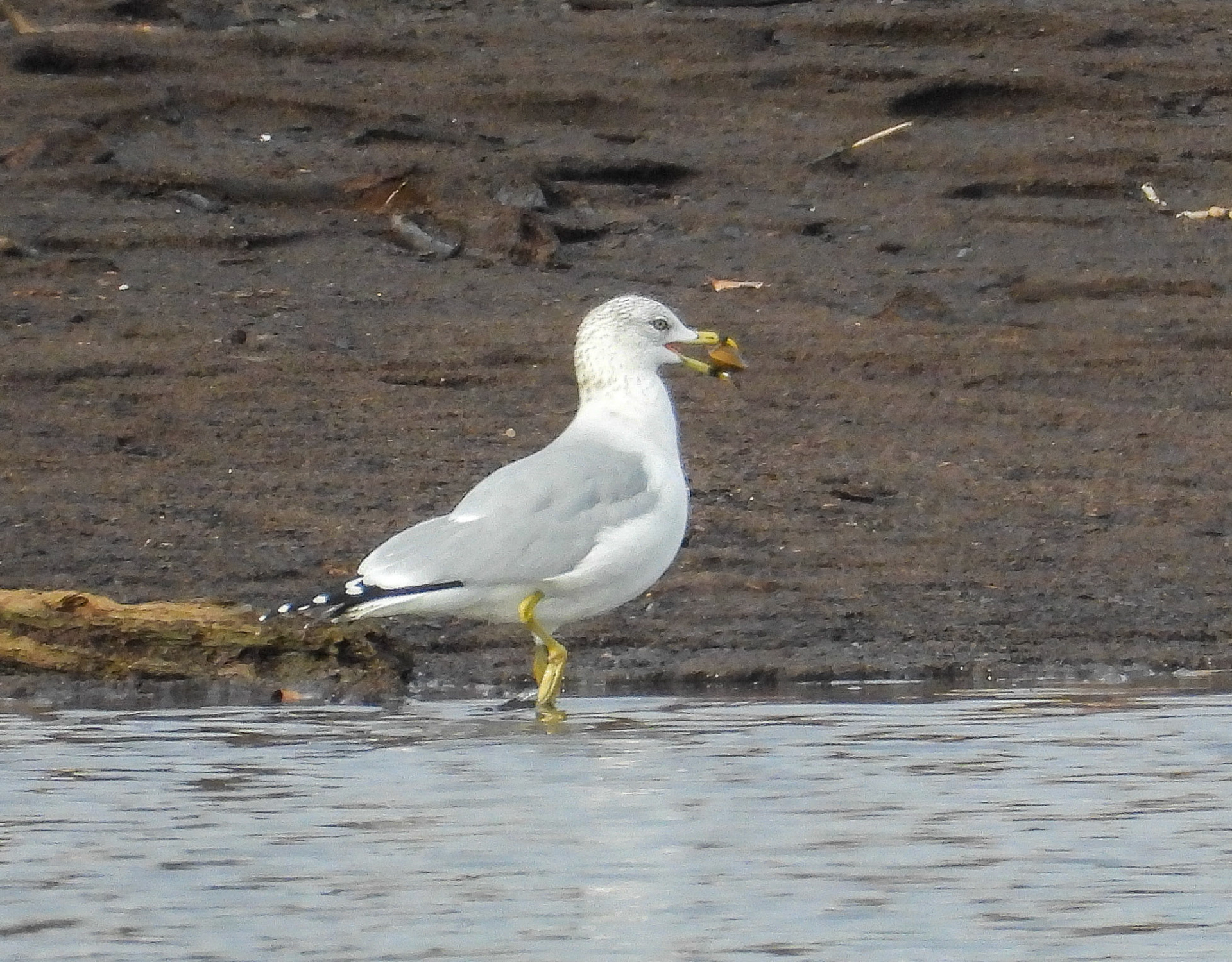
Ring Billed Gulls winter as far as south as Mexico and the Caribbean, but also stay in coastal regions as far north as New England and British Columbia, where more moderate temperatures and scavenging opportunities from human sources are attractive.
Ring Billed Gull with a find.
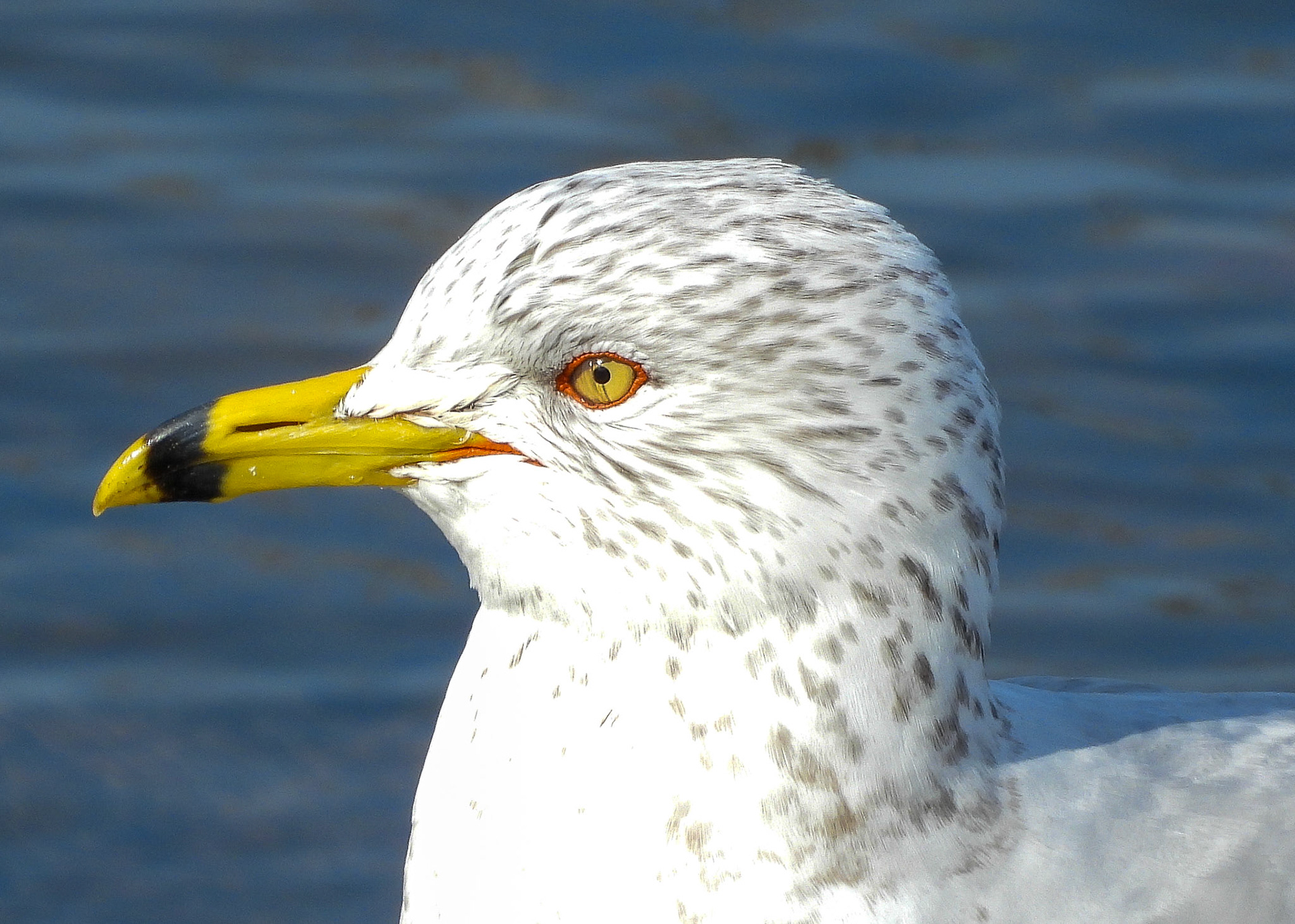
Ring Billed Gull - non-breeding adults have brown-streaked heads.
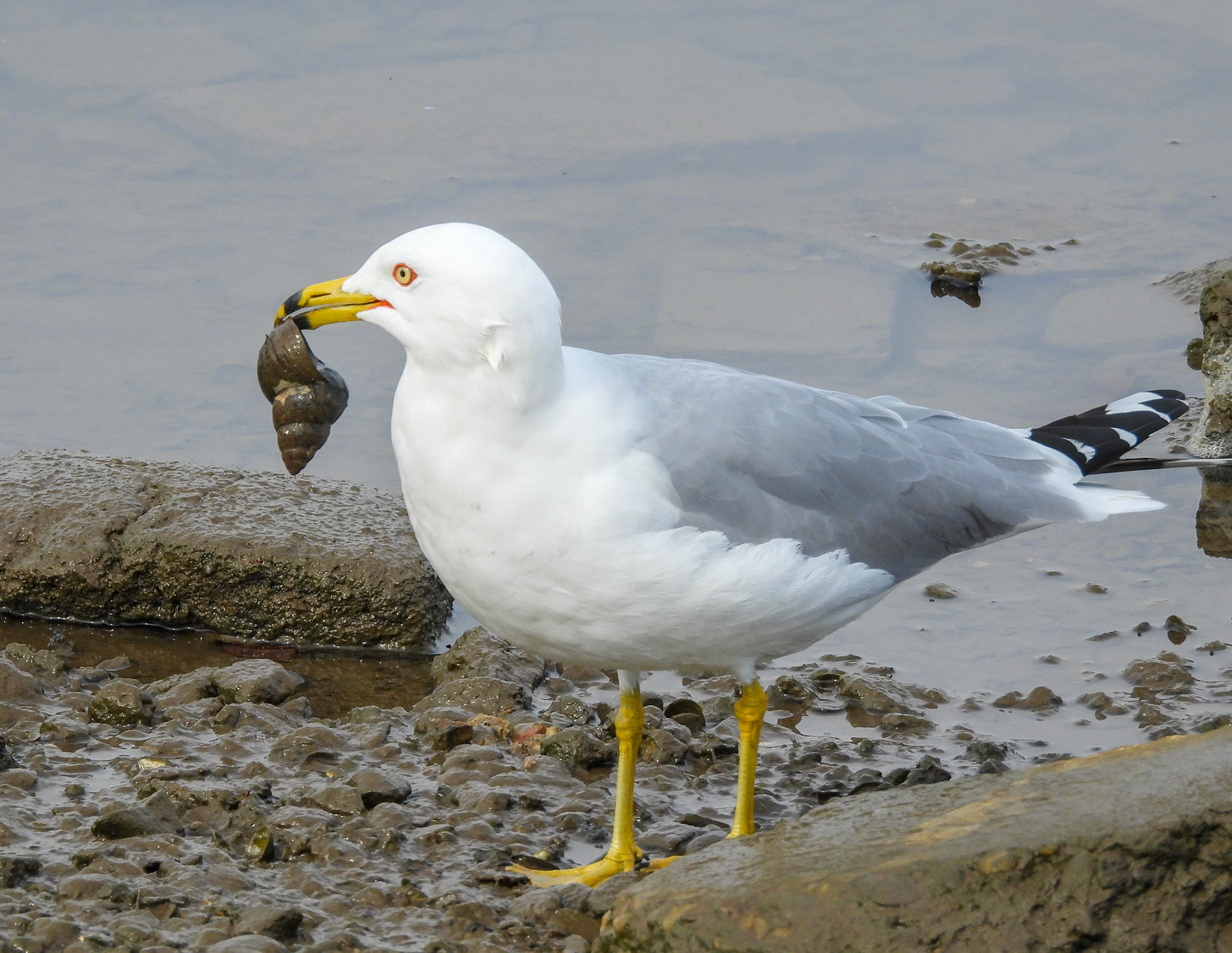
This Ring Billed Gull (breeding adult) appears to be holding a Chinese Mystery Snail. The presence of these gulls can help to control the population of this invasive species.
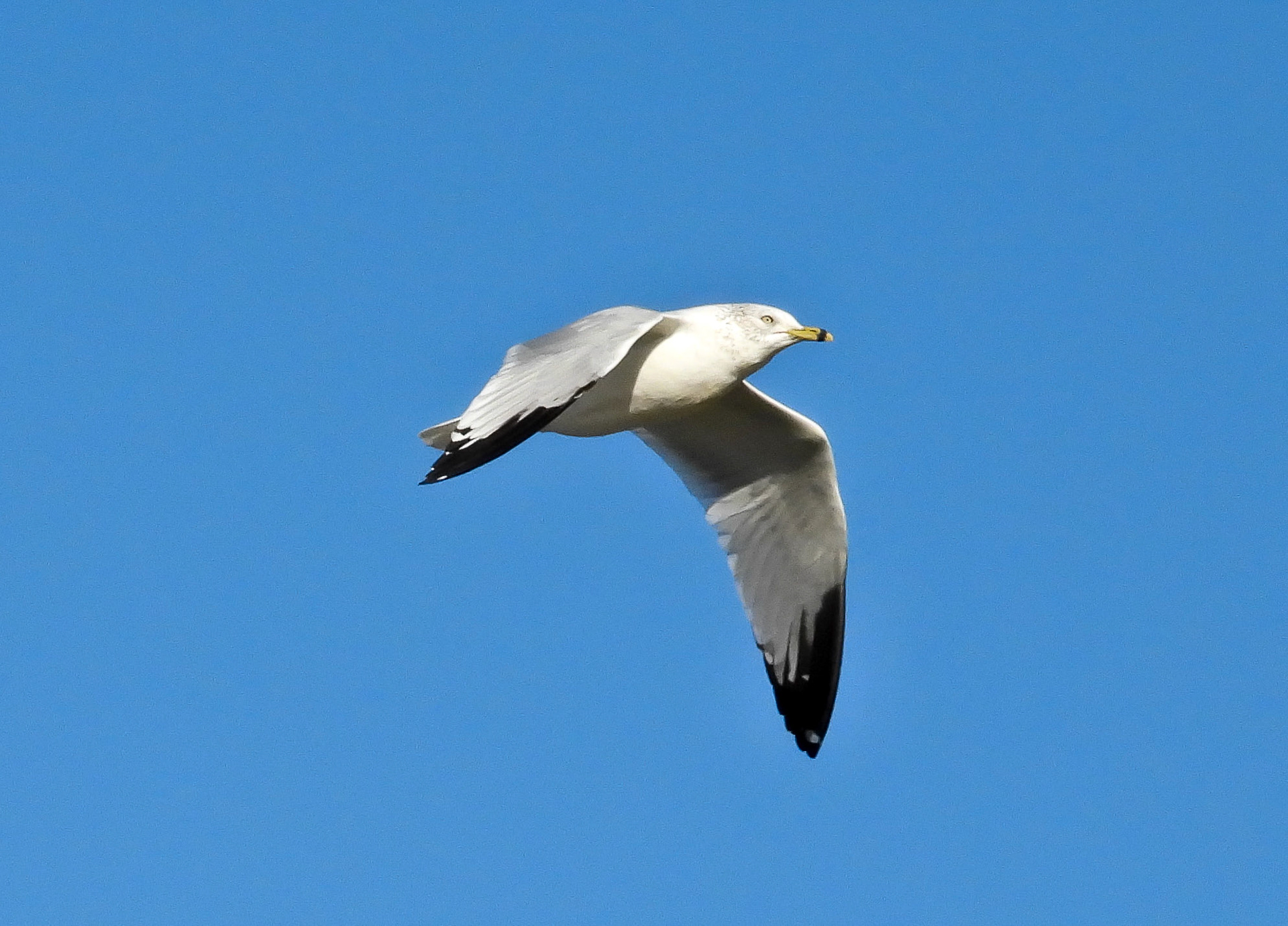
Ring Billed Gull in flight.
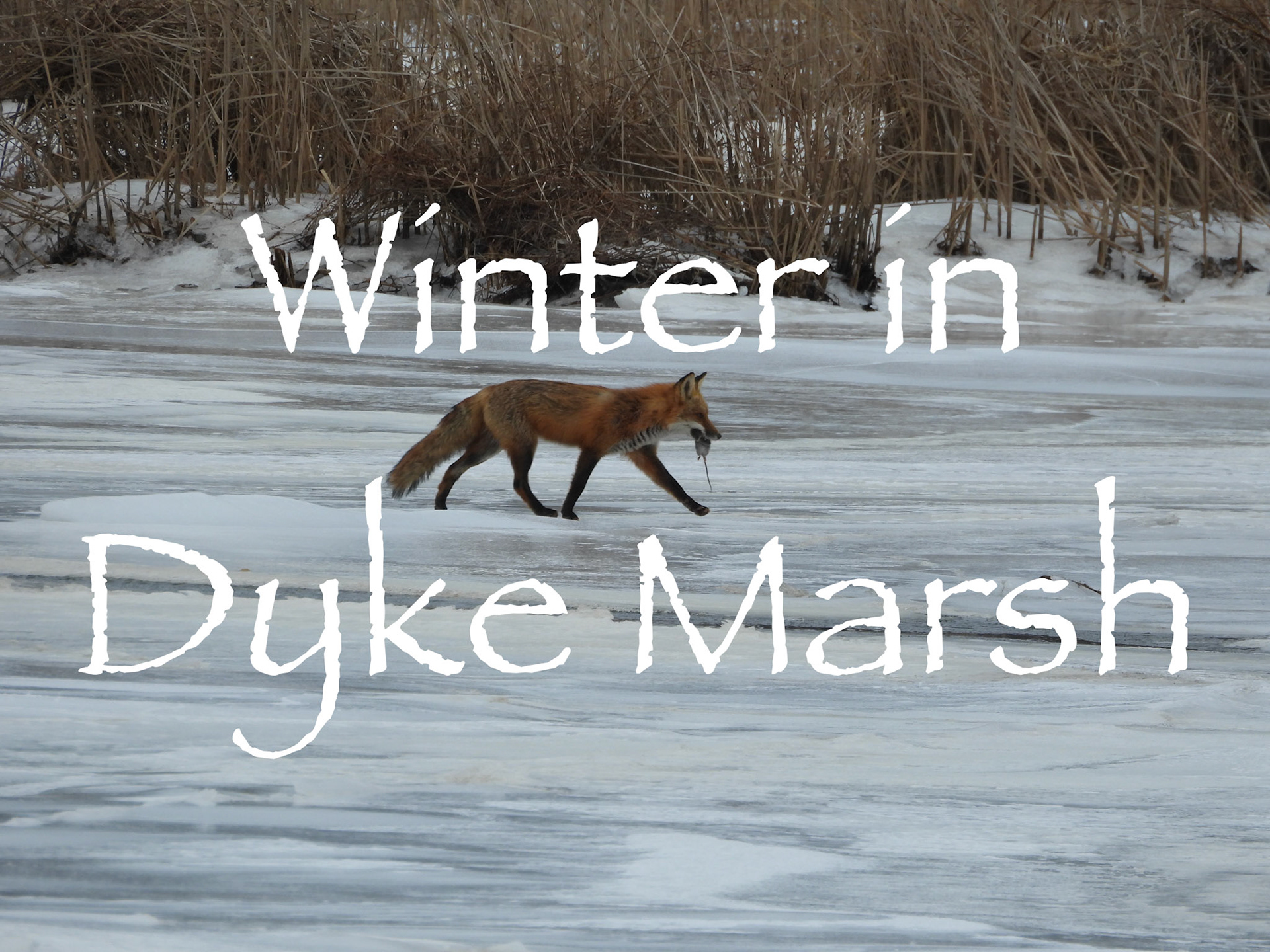
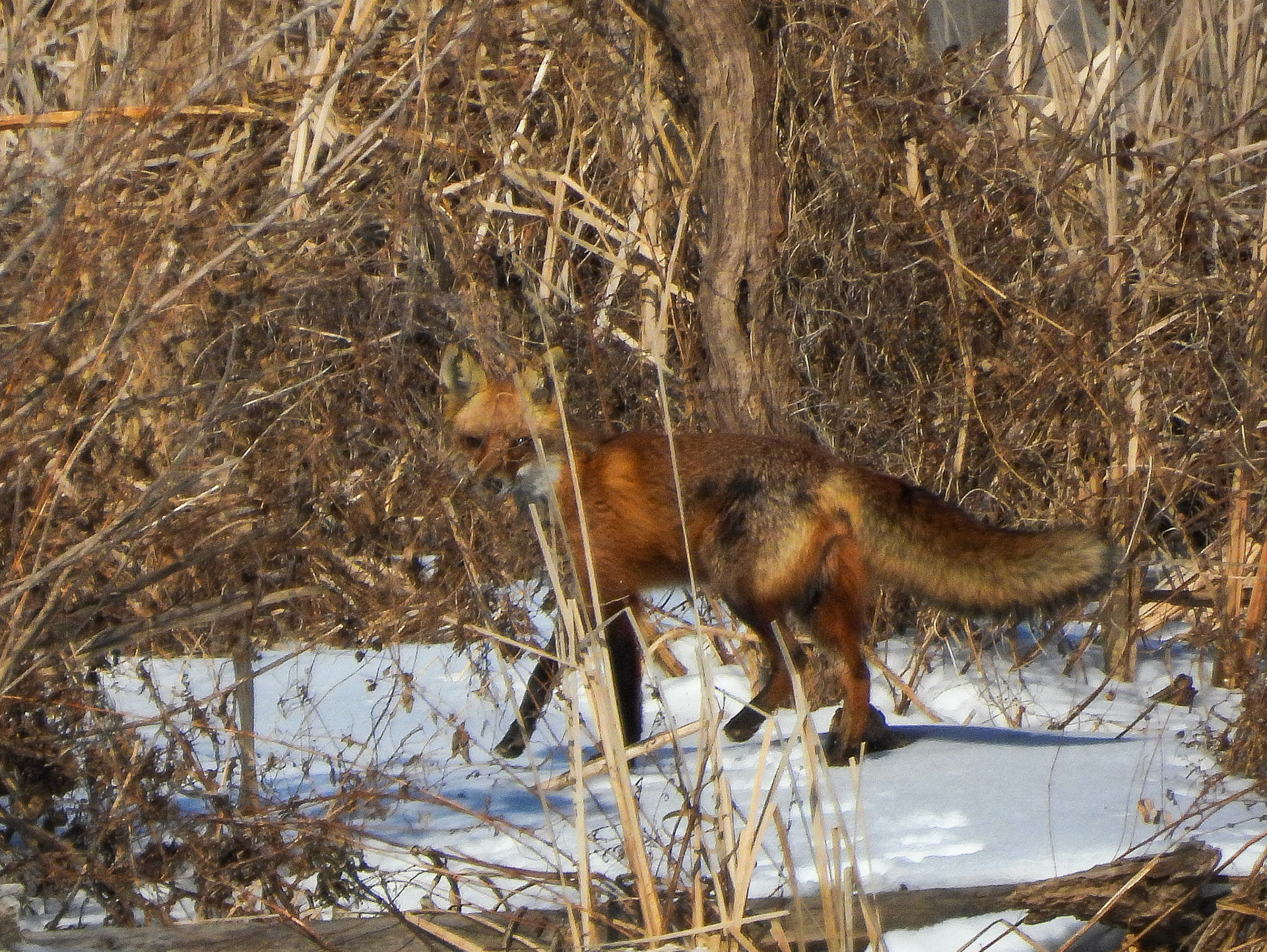
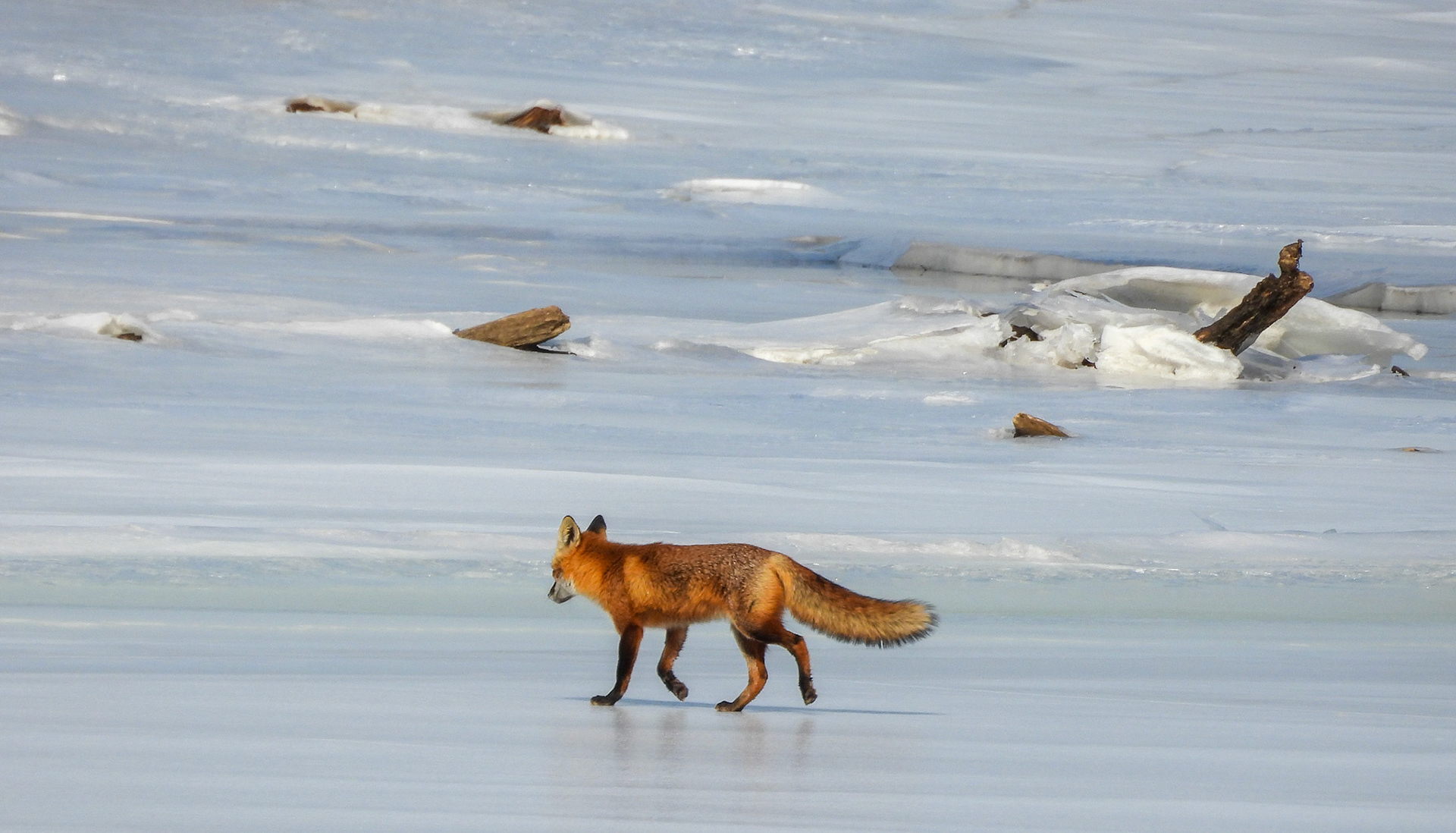
Red Fox
Red Fox walks between Coconut Island and Dyke Island on the frozen Potomac River. Red Foxes have fur on their paw pads, providing insulation and traction on the ice.
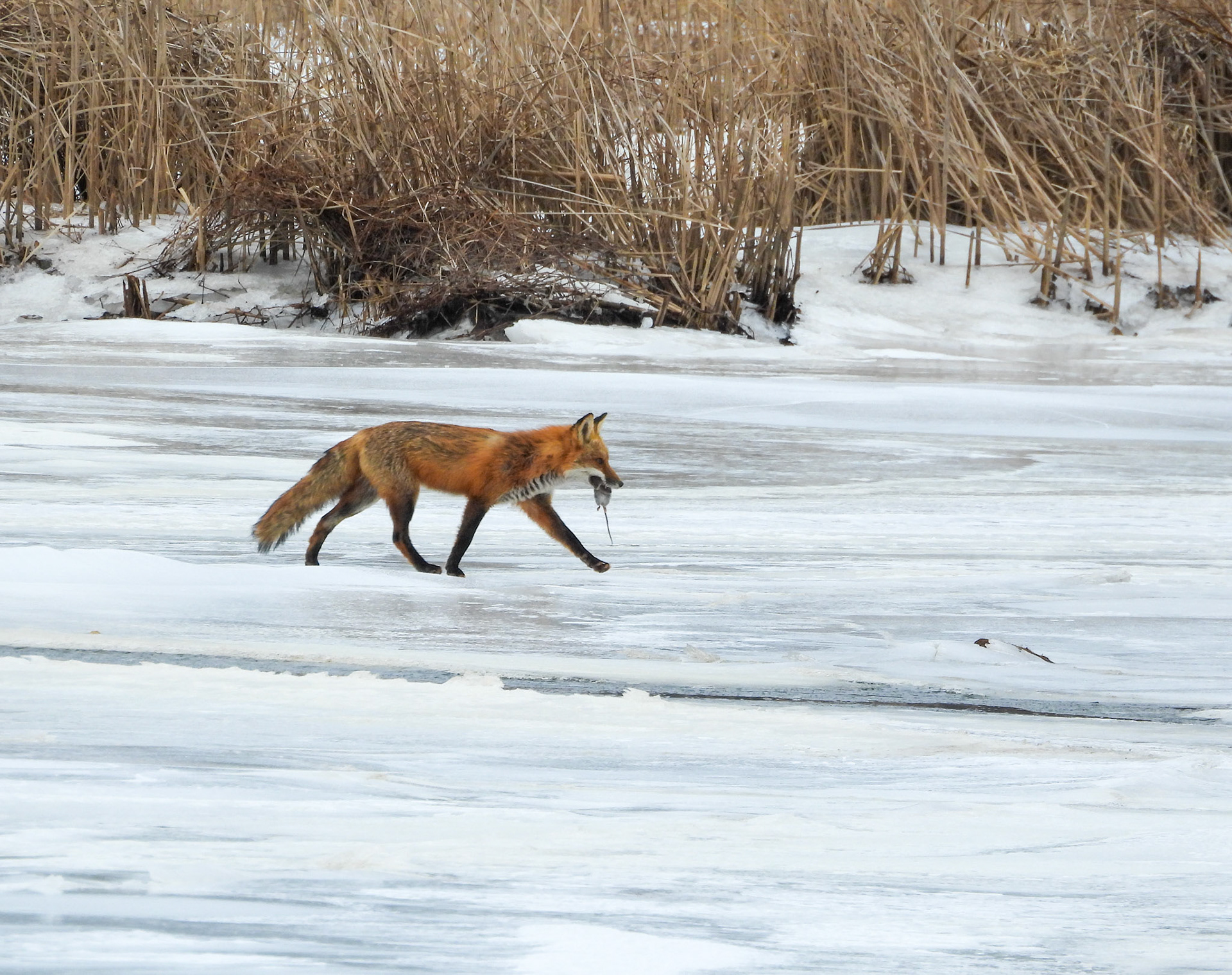
Red Fox returns to shore with a fresh kill.
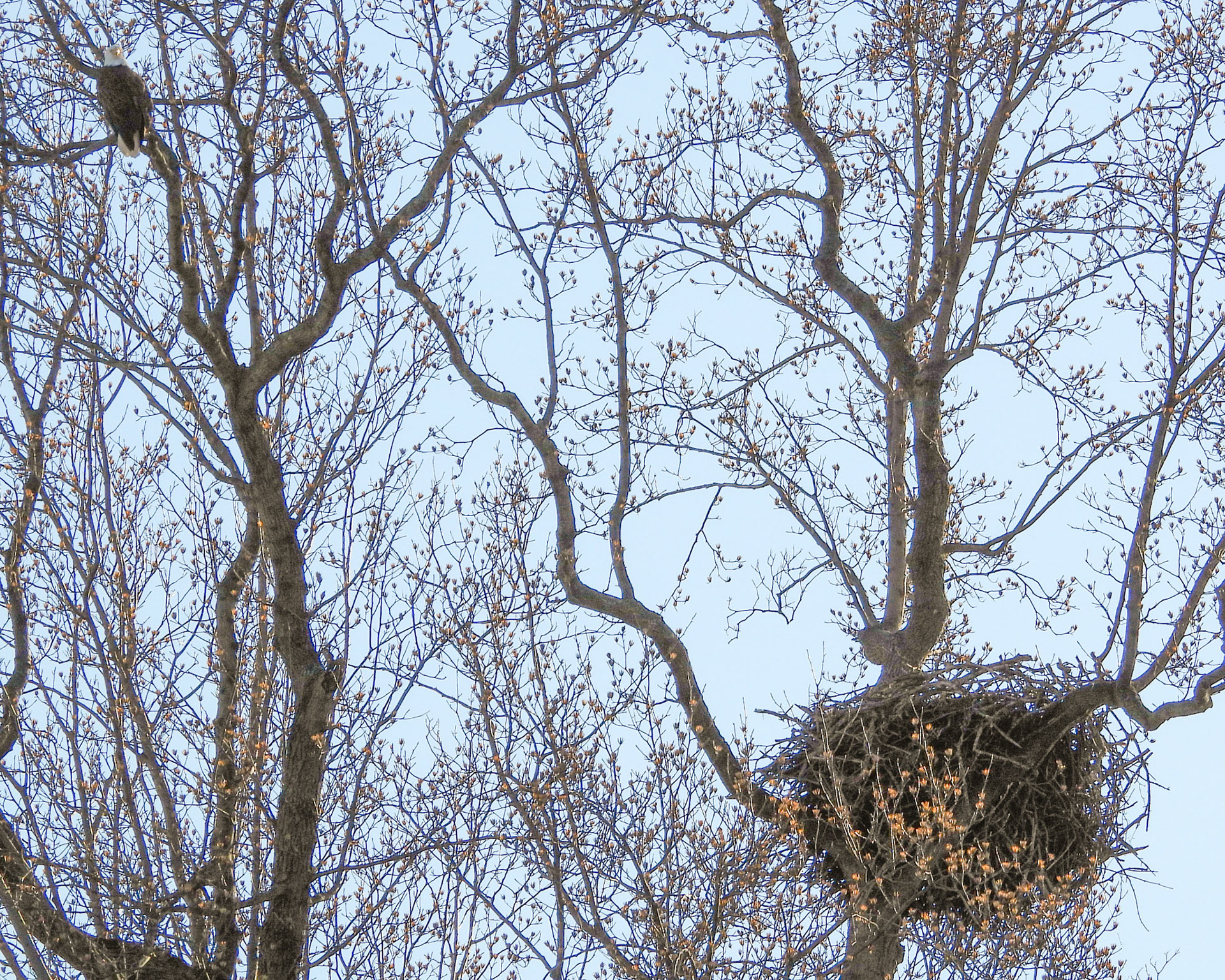
Bald Eagle guards its nest in mid-February. The eggs typically hatch in late February.
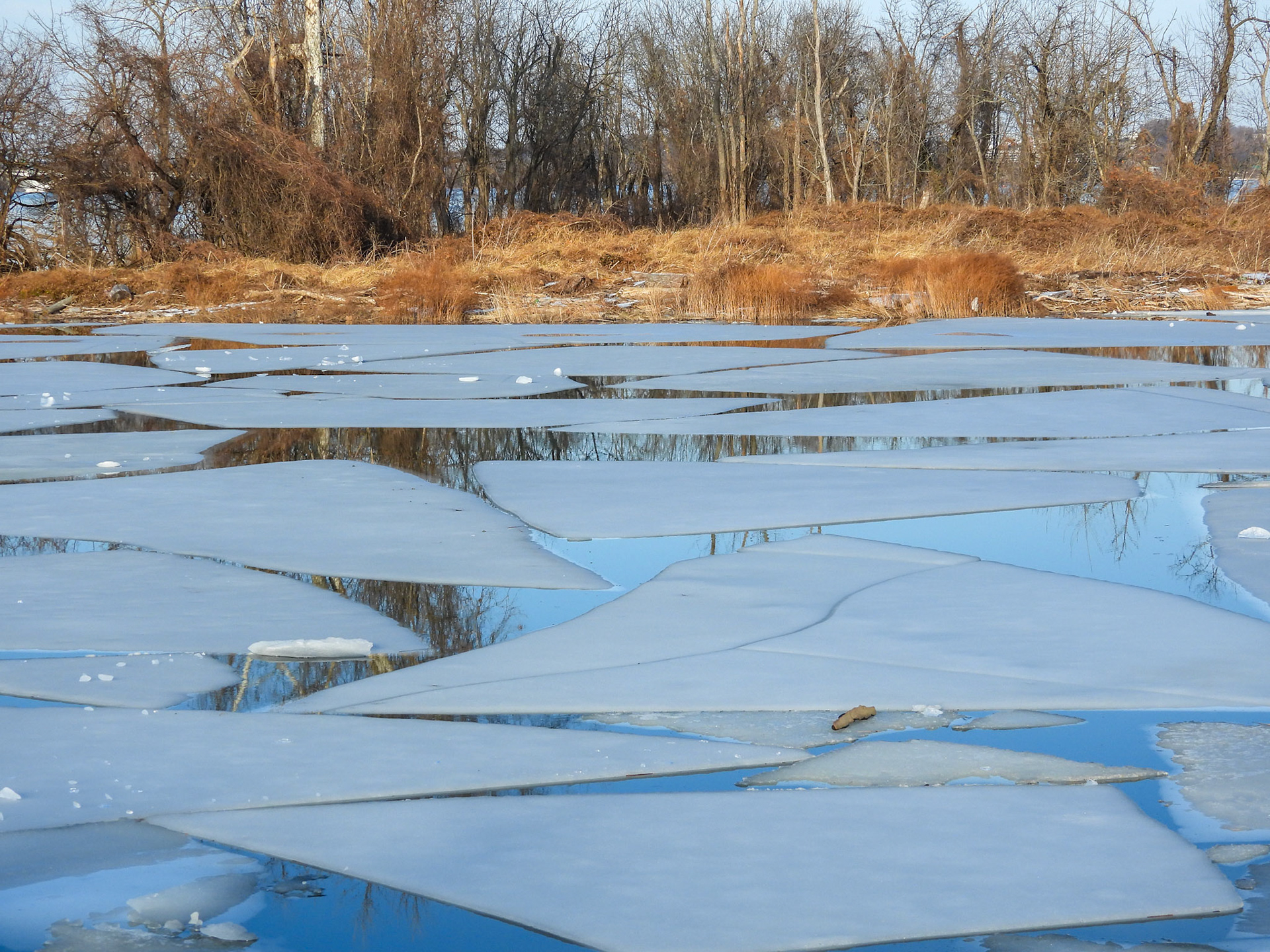
The spring thaw begins.
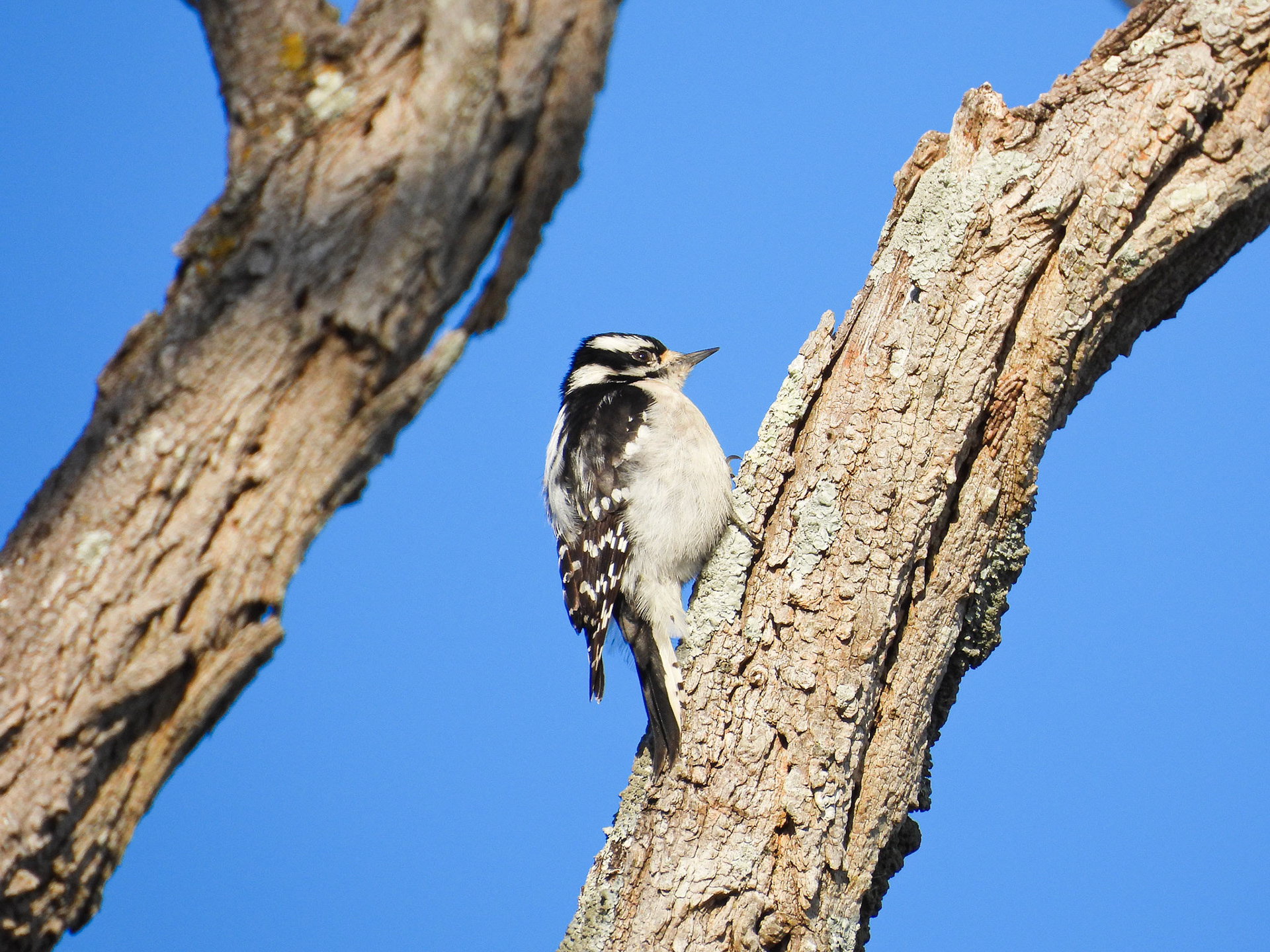
Downy Woodpecker female
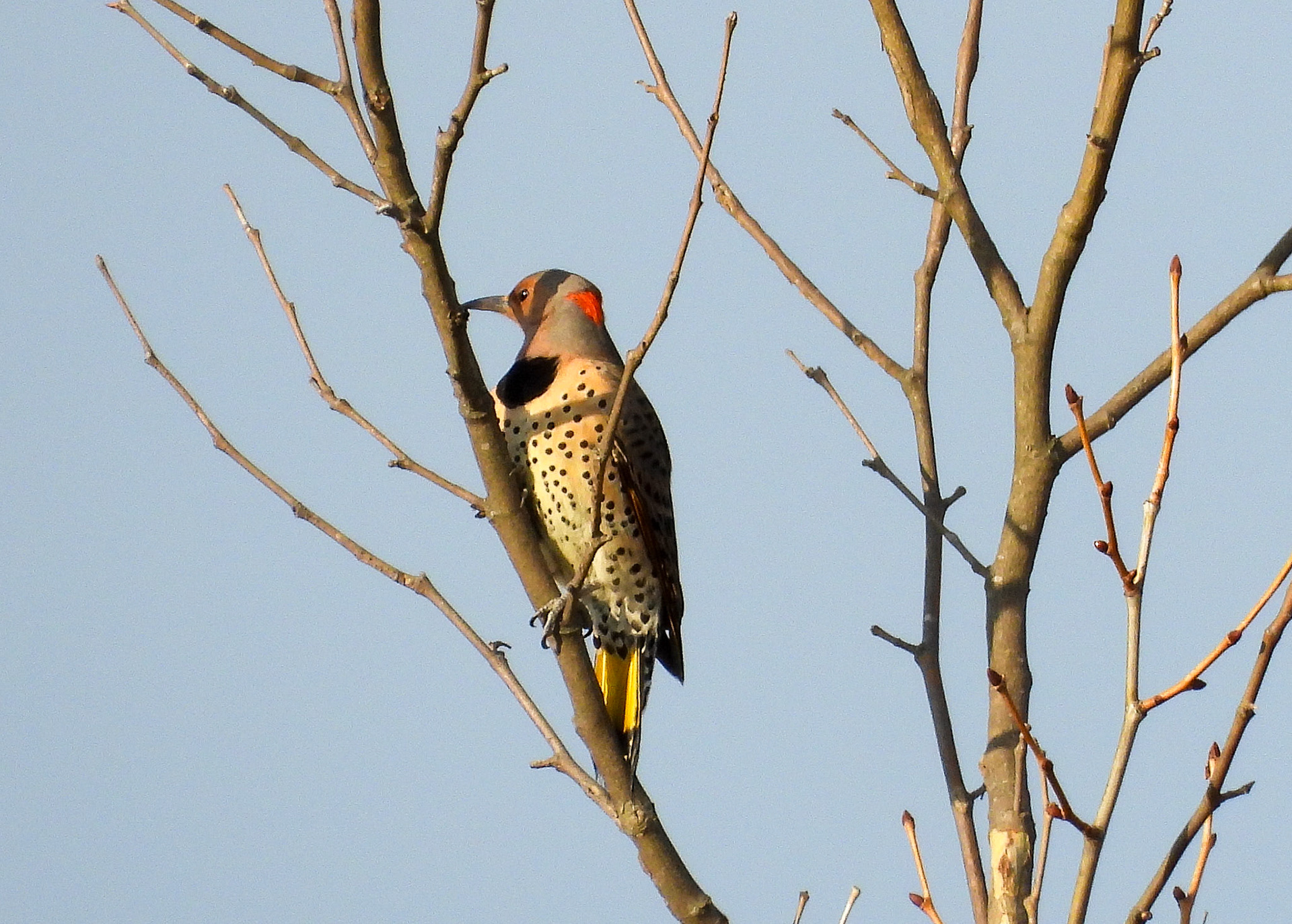
Northern Flicker female (yellow shaft)
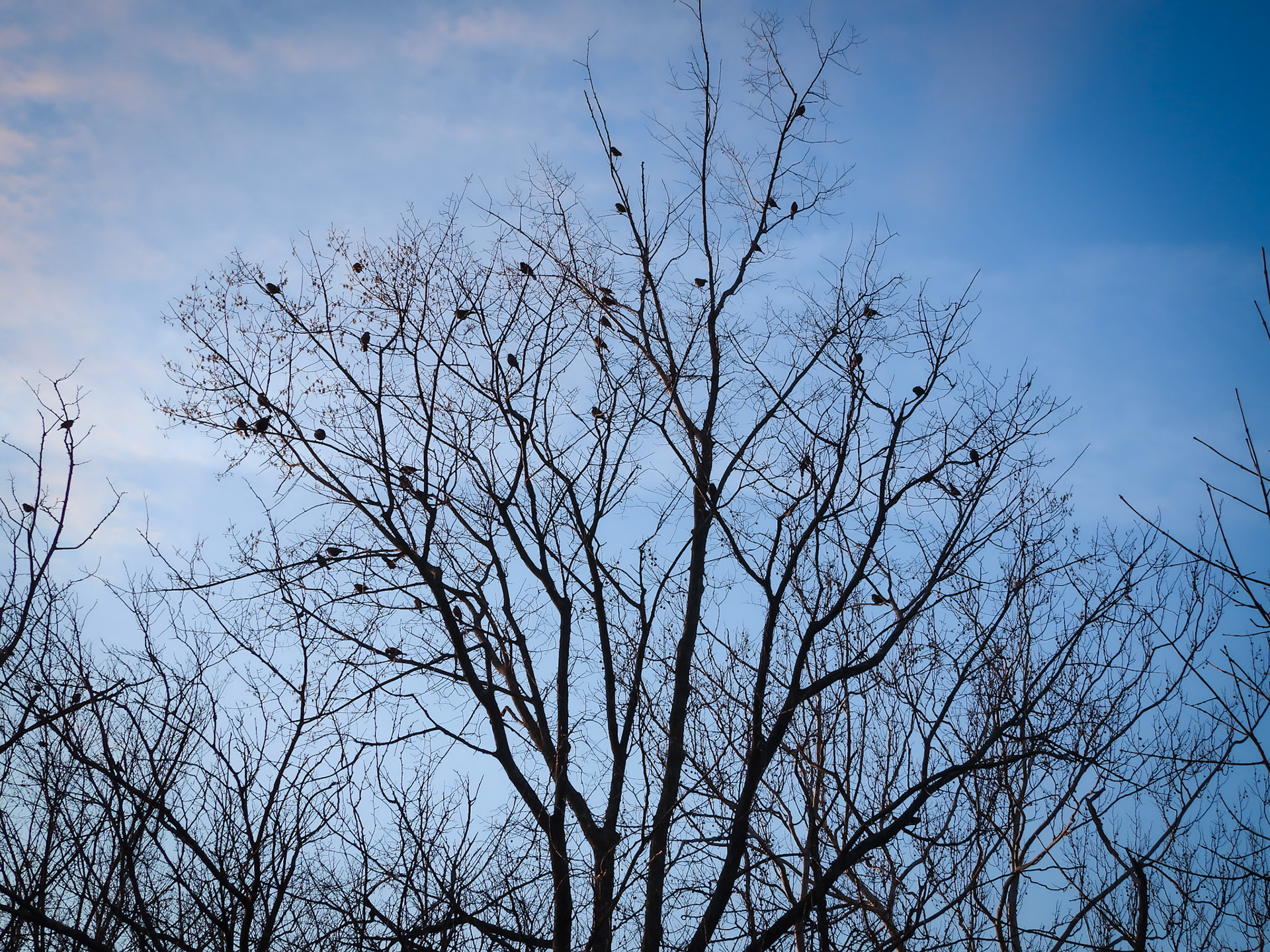
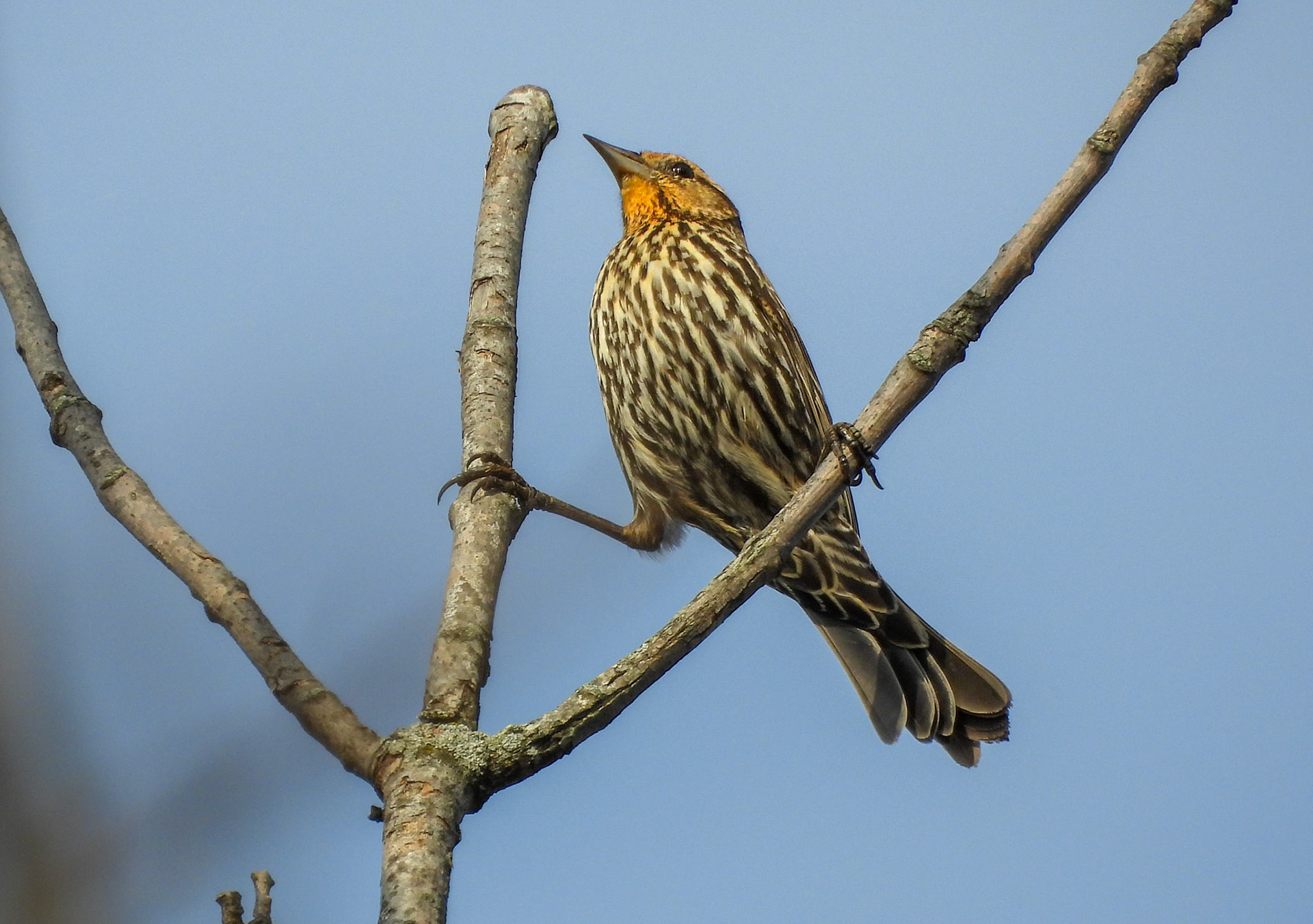
A flock of migrating Red Winged Blackbirds makes a stopover at Dyke Marsh in March.
Red Winged Blacbird female
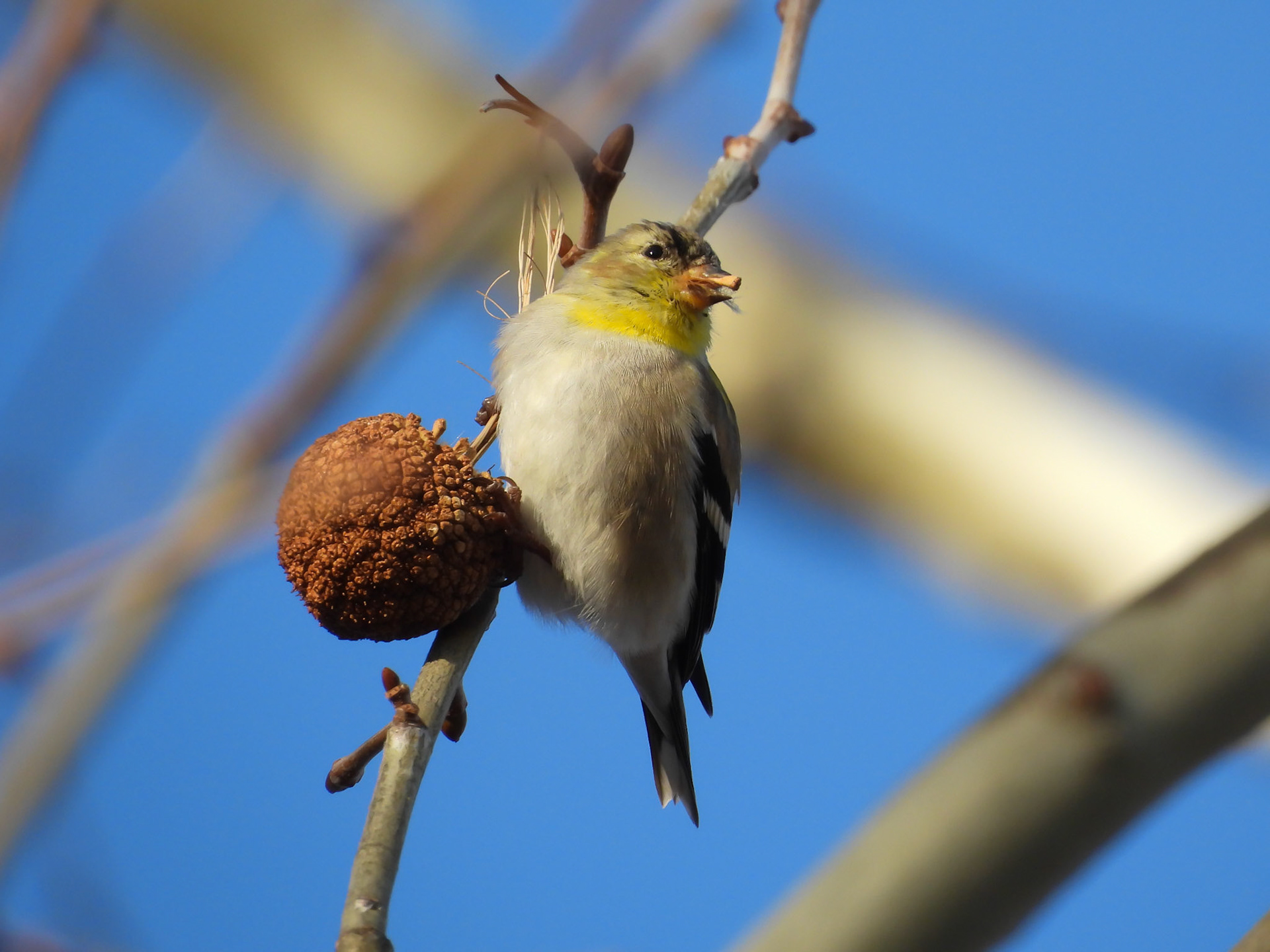
An American Goldfinch feeds on a seed ball in an American Sycamore tree. This male is transitioning from winter plumage to its brighter spring breeding colors.
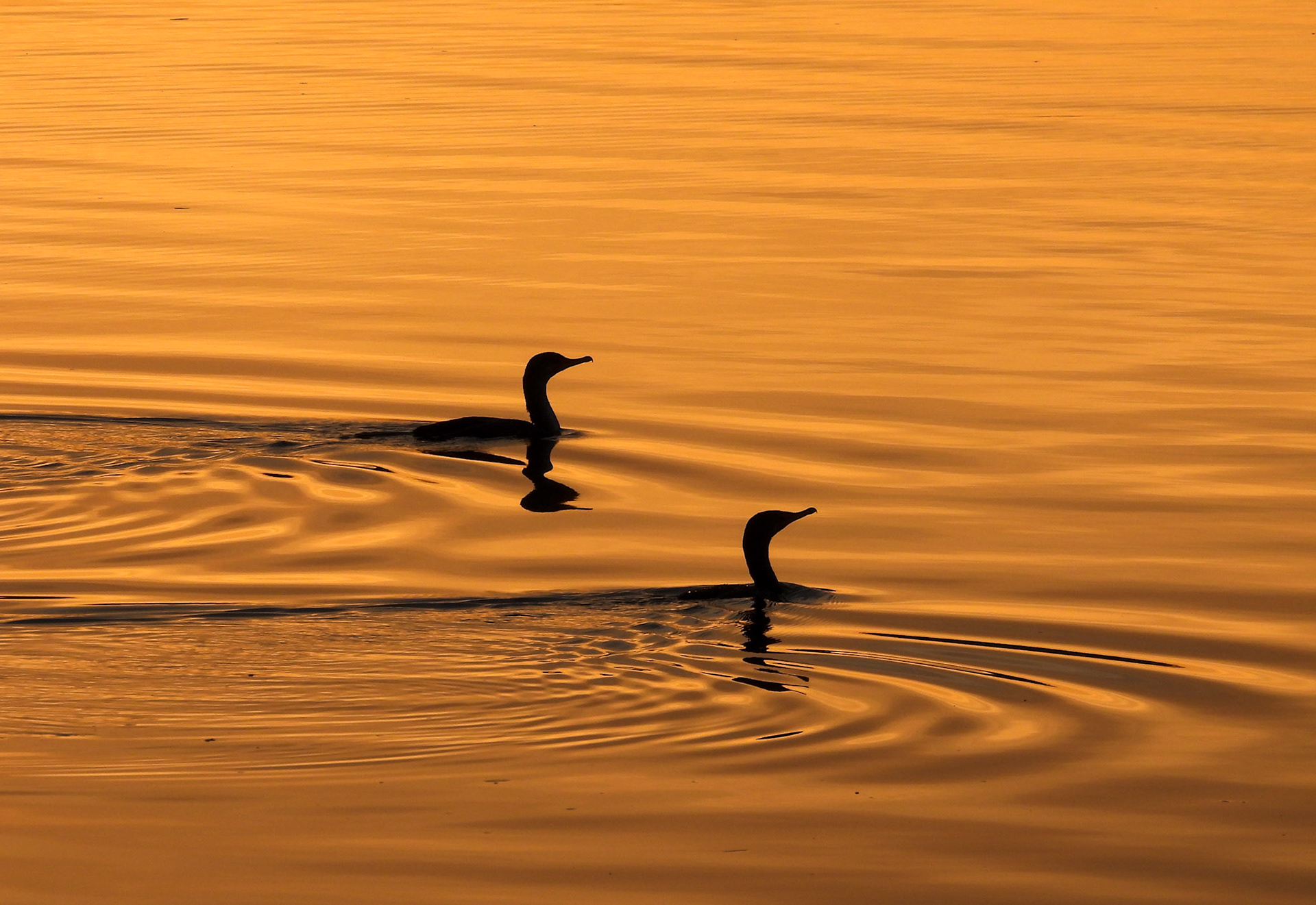
Double Crested Cormorants at dawn. Soon they will head north to their breeding grounds.